
Portable solar battery systems make it easier to keep essential devices powered when you are camping, traveling, working remotely, or dealing with an outage. The right setup can recharge phones and lights—or support refrigerators, tools, and other higher-draw appliances.
We compared ten options across battery capacity, solar input, inverter output, portability, and intended use. Use the guide below to narrow the choices by runtime, charging flexibility, and budget before you buy.
Best 10 Portable Solar Battery Systems Picks for 2026
Best Overall

- 2,048Wh LiFePO4 battery with 220W solar panel
- 3400W X-Boost output for demanding appliances
- 0–80% charging in about 1.13 hours
Best For: Home backup, RV trips, and high-demand appliances
Best Large-Capacity Value

- 2,042Wh capacity and 2,200W AC output
- Includes two 200W solar panels
- 20ms UPS switching and 30dB quiet charging
Best For: Home backup, camping, and small-business power needs
Best for Multiple Devices
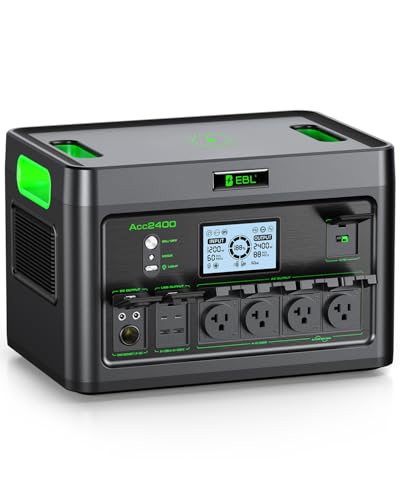
- 12 charging connections for group use
- 2,400W output with 4,800W starting wattage
- LiFePO4 battery rated for 3,500+ cycles
Best For: Group camping, job sites, and multi-device backup
Best Portable Mid-Size Pick
Jackery Solar Generator 1000 v2

- 1,070Wh capacity with 1,500W AC output
- Lightweight 23.8-pound design
- Includes a 200W solar panel and app control
Best For: Camping, road trips, and essential emergency backup
Best Overall Home Backup

- 3,072Wh capacity and 3,600W output
- 20ms UPS for essential electronics
- Includes two 200W solar panels
Best For: Home outages, RVs, and high-demand backup power
Best Fast-Charging Midrange Pick

- 1,800W output with 3,600W surge
- 80% AC charge in 45 minutes
- Includes a 220W bifacial solar panel
Best For: Camping, moderate home backup, and sensitive electronics
Best Lightweight Budget Option
Apowking 146Wh Solar Generator

- Only 3.3 pounds for easy transport
- Includes a 40W solar panel
- Seven outputs plus emergency LED lights
Best For: Camping, personal electronics, and compact emergency kits
Best Lightweight Pick
Jackery Explorer 300 Solar Kit

- 7.5-pound portable design
- 300W output with six-device charging
- LiFePO4 battery and 40W panel included
Best For: Hikers, campers, and travelers needing portable power for small electronics
Best Port Selection

- 60W monocrystalline panel included
- Multiple AC, DC, and USB outputs
- SOS flashlight and built-in protection features
Best For: Campers charging several small devices off-grid
Best Ultra-Compact Option
ZeroKor 100W Solar Power Station

- Power station weighs about 3.3 pounds
- Foldable 40W panel included
- Multiple outputs for devices under 100W
Best For: Travelers and emergency kits powering phones, cameras, and tablets
Best Overall – EF ECOFLOW DELTA 3 MAX
The EF ECOFLOW DELTA 3 MAX is a high-capacity option among portable solar battery systems, pairing a 2,048Wh LiFePO4 battery with a 220W bifacial solar panel. Its fast charging, high output, and home-backup features make it suitable for both everyday preparedness and outdoor use.
Best For: Home backup, RV trips, camping, and running higher-demand appliances.
Pros:
- Reaches 0–80% charge in about 1.13 hours with X-Stream charging.
- 3400W X-Boost output can power many high-demand appliances.
- 10ms transfer time, quiet operation, app control, and a 5-year warranty.
Cons:
- Its 2,048Wh capacity and aluminum-and-metal construction make it less convenient than smaller units.
- The included solar panel is rated at 220W, so solar charging speed depends on available sunlight.
Choose this model if fast recharge times and strong appliance support matter more than minimizing size. The LiFePO4 battery and smart controls also add practical value for recurring backup use.
Best Large-Capacity Value – Jackery Explorer 2000 v2
The Jackery Explorer 2000 v2 combines 2,042Wh of storage with 2,200W AC output and two 200W solar panels. For shoppers comparing portable solar battery systems, its compact-for-class design, quiet charging mode, and UPS capability stand out.
Best For: Home outages, camping, small-business backup, and users who want substantial capacity in a lighter 2kWh unit.
Pros:
- 41% lighter and 34% smaller than conventional 2kWh LiFePO4 power stations, according to the supplied product notes.
- Includes two 200W solar panels and supports solar charging in about six hours.
- Offers 20ms power switching, a 100W USB-C port, and quiet 30dB charging.
Cons:
- The listed package weight is 66.8 pounds, which may still be substantial for frequent carrying.
- Solar-panel connection requires using the specified straight DC8020 plug rather than the L-shaped DC7909 plug.
This is a well-rounded choice when capacity, portability, and outage protection need to coexist. The included 400W solar setup is especially useful for buyers planning regular off-grid charging.
Best for Multiple Devices – EBL Acc2400
The EBL Acc2400 is designed for users who need many connections at once. With 1,843.2Wh of capacity, 2,400W output, 12-device charging, and a wireless charging panel, it offers a flexible approach to portable solar battery systems for group outings and emergency use.
Best For: Group camping, job sites, home backup, and charging numerous devices simultaneously.
Pros:
- Supports up to 12 devices through AC, USB, DC, car, and wireless charging options.
- 2,400W running output and 4,800W starting wattage accommodate a broad range of equipment.
- LiFePO4 battery is rated for more than 3,500 cycles and a 10+ year service life.
Cons:
- At about 54 pounds, it is heavier than compact power stations.
- The supplied notes do not identify a solar panel included with the unit.
- Its warranty is two years, shorter than some competing products in this roundup.
The Acc2400 makes the most sense when port availability and group-use flexibility are priorities. Its fast emergency switchover and protective battery-management features also support household backup, though buyers should plan their solar-panel setup separately.
Best Portable Mid-Size Pick – Jackery Solar Generator 1000 v2
The Jackery Solar Generator 1000 v2 is a lighter alternative to larger portable solar battery systems, with a 1,070Wh battery, 1,500W AC output, and an included 200W solar panel. Its 23.8-pound body and foldable handle make it especially practical for camping, road trips, and basic emergency power.
Best For: Campers, road-trippers, and households needing a lighter backup unit for essential devices and appliances.
Pros:
- Lightweight 23.8-pound design with a foldable handle.
- 1,500W output and 3,000W surge capacity can support appliances such as fridges, AC units, and electric pots.
- LiFePO4 battery is rated to retain more than 70% capacity after 4,000 cycles, with app-controlled charging modes.
Cons:
- The 1,070Wh capacity provides less runtime than the 2kWh models in this roundup.
- Solar charging with the included 200W panel takes about six hours to reach 80%.
- One-hour full charging requires enabling emergency charging in the Jackery app.
This model is a strong fit when carrying convenience matters more than maximum runtime. It delivers useful appliance support in a compact package, while the app lets users choose between fast, quiet, and battery-friendly charging modes.
Best Overall Home Backup – Jackery HomePower 3000
The Jackery HomePower 3000 is a high-capacity choice among portable solar battery systems for keeping major home essentials running during outages. Its 3,072Wh battery, 3,600W output, included 2x200W solar panels, and UPS function make it suited to refrigerators, networking equipment, lights, and other demanding loads.
Best For: Home backup, RV use, and extended emergency power for essential appliances.
Pros:
- 3,600W output with 7,200W surge capacity supports substantial household loads.
- 3,072Wh capacity can power essentials for up to 15 hours and a refrigerator for 1 to 2 days, according to the supplied notes.
- UL-certified UPS switches within 20ms for supported sensitive equipment.
- LiFePO4 battery is rated for 4,000 cycles while retaining 70% capacity.
Cons:
- At 59.5 pounds, it is less convenient for frequent carrying than smaller systems.
- The included solar panels are noted to recharge the unit to 80% in about 9 hours, so solar charging is not the fastest option.
Choose this model when capacity and appliance support matter more than lightweight portability. It is a particularly strong fit for outage preparedness, though its size and weight favor keeping it in a planned location.
Best Fast-Charging Midrange Pick – EcoFlow DELTA 3 Classic
The EcoFlow DELTA 3 Classic is a balanced option among portable solar battery systems, pairing a 1,024Wh battery with 1,800W AC output and a 220W bifacial solar panel. It is designed for home, camping, and off-grid use, with especially quick AC charging and a fast UPS response.
Best For: Campers and households wanting fast recharge times, moderate capacity, and sensitive-device protection.
Pros:
- 1,800W output and 3,600W surge capacity can handle refrigerators, microwaves, laptops, and similar loads.
- Reaches 80% charge in 45 minutes through X-Stream AC charging.
- Included 220W bifacial panel can recharge the unit in about 5.8 hours under the stated conditions.
- Under-10ms UPS and LiFePO4 cells rated for 10+ years of daily use add useful reliability.
Cons:
- The 1,024Wh capacity is substantially smaller than the Jackery option for longer household outages.
- The generator and solar panel may arrive separately.
This is a practical middle ground for users who value quick turnaround and strong output without stepping up to a 3kWh system. Its included panel and sensitive-electronics UPS also make it versatile for mixed home and outdoor use.
Best Lightweight Budget Option – Apowking 146Wh Solar Generator
The Apowking 146Wh solar generator is a compact entry point into portable solar battery systems. Weighing 3.3 pounds and including a 40W panel, it is intended for charging small electronics, lights, fans, and other low-power devices rather than running large appliances.
Best For: Camping, emergency phone charging, and lightweight backup for personal electronics.
Pros:
- Small 3.3-pound design fits easily in a backpack or suitcase.
- Includes a 40W monocrystalline solar panel with 20.5% stated conversion efficiency.
- Seven outputs include AC, USB, USB-C, and 12V DC connections.
- Dual LED lights offer flashlight, strobe, and SOS modes.
Cons:
- 100W running output and 200W peak output limit it to smaller devices and appliances.
- The 146Wh capacity is not intended for extended refrigerator or major-appliance backup.
- Solar charging performance depends on available sunlight.
For hikers, campers, and emergency kits, this Apowking package prioritizes portability and basic versatility over runtime. It is a sensible choice for personal electronics and lighting, but users needing appliance-level backup should consider a larger system.
Best Lightweight Pick – Jackery Explorer 300 Solar Kit
For shoppers comparing portable solar battery systems, the Jackery Explorer 300 stands out as a compact, easy-to-carry option with a 292Wh battery, 300W rated output, and a 40W solar panel included. Its pure sine wave AC output and multiple ports make it practical for camping, travel, and backup charging for smaller electronics.
Best For: Hikers, campers, and travelers who prioritize low weight and versatile device charging.
Pros:
- Lightweight 7.5-pound design with an integrated handle.
- Supports up to six devices through AC, USB-C, USB-A, and car outputs.
- LiFePO4 battery chemistry is rated for over 4,000 charge cycles before reaching 70% capacity.
- Includes a 40W solar panel and can reach 80% charge in about 7.5 hours with that panel.
Cons:
- The 300W output is intended for smaller electronics rather than high-wattage appliances.
- The included 40W panel charges more slowly than a 100W panel.
This is a strong fit when portability, battery longevity, and flexible charging matter more than maximum capacity. The included panel adds off-grid utility, while the output rating keeps the system focused on laptops, cameras, drones, and similar gear.
Best Port Selection – ZeroKor 300W Solar Generator
This ZeroKor kit is one of the more flexible portable solar battery systems for camping because it combines a 300W power station with a 60W monocrystalline solar panel. Multiple AC, DC, and USB outputs let you charge several small devices, while the built-in flashlight adds useful emergency functionality.
Best For: Campers who want many charging options and a larger solar panel than the typical entry-level bundle.
Pros:
- Includes a 60W solar panel with a stated 20.5% conversion efficiency.
- Offers two AC outlets, a DC port, multiple USB ports, and a quick-charge USB port.
- Can recharge from a wall outlet, vehicle, or compatible solar input.
- Built-in SOS flashlight and battery-management protections support outdoor use.
Cons:
- Devices drawing over 300W may damage or disable the generator.
- The solar panel junction box is not waterproof.
- The unit requires periodic charging and discharging to help maintain performance.
Choose this model for connection versatility rather than heavy-duty appliance use. It is well suited to phones, tablets, laptops, headphones, and other camping electronics, but the 300W ceiling rules out appliances such as coffee makers, hair dryers, and water pumps.
Best Ultra-Compact Option – ZeroKor 100W Solar Power Station
If you want portable solar battery systems for basic emergency charging, this ZeroKor bundle keeps the setup especially small and light. The 100W power station weighs about 3.3 pounds and comes with a foldable 40W solar panel, making it convenient for phones, cameras, tablets, and other low-power electronics.
Best For: Travelers and emergency-kit buyers who need lightweight power for devices drawing under 100W.
Pros:
- Compact 3.3-pound power station is easy to carry and store.
- Includes a foldable 40W monocrystalline panel rated at 22.8% conversion efficiency.
- Provides AC, DC, USB-A, QC USB, and USB-C charging outputs.
- Supports wall, solar, and 12V vehicle recharging and includes an SOS flashlight.
Cons:
- The 100W output limits use to smaller electronics.
- The solar panel junction box is not waterproof.
- The battery should be recharged at least every half month when not in use.
This model makes sense when minimum weight and easy storage are the priorities. Its broad port selection is useful for personal electronics, but shoppers needing to run heating devices, pumps, or other high-draw appliances should choose a more powerful station.
How We Picked the Best Portable Solar Battery Systems
We evaluated these Portable Solar Battery Systems by looking at the specifications that matter most in everyday use: battery capacity, continuous and peak AC output, solar-panel wattage, charging options, battery chemistry, portability, and included accessories. We also considered how each system fits a particular use case, from emergency phone charging to extended off-grid power.
Because stated capacity does not equal usable runtime, treat watt-hours as a comparison point rather than a guarantee. Actual performance depends on the connected load, inverter losses, charging conditions, temperature, and whether the panels receive direct sunlight.
Quick Comparison
- Smallest systems: 100W to 300W models with roughly 292Wh or less are best for phones, lights, cameras, routers, and small electronics.
- Mid-range systems: Around 1,000Wh provide a useful balance for camping, travel, remote work, and short outages.
- Large-capacity systems: Approximately 2,000Wh to 3,072Wh offer longer runtime and more headroom for appliances, tools, and emergency backup.
- Higher-output options: Systems rated from about 1,500W to 3,600W are better suited to demanding AC devices, provided their surge ratings and outlet requirements match your equipment.
Key Buying Factors for Portable Solar Battery Systems
Capacity and Runtime
Battery capacity is measured in watt-hours. Estimate your need by multiplying an appliance’s wattage by the number of hours you expect to use it, then allow extra capacity for conversion losses and unexpected demand. A larger battery weighs more, but it reduces recharging frequency.
Inverter Output
Check both continuous output and surge capacity. Continuous watts determine what the system can run steadily, while surge watts help start devices with motors or compressors. Confirm that the power station supports your appliances before relying on it for refrigeration, pumps, or power tools.
Solar Charging and Portability
More solar-panel wattage generally means faster charging in strong sunlight, although weather, panel angle, and shading affect results. Also check the station’s solar-input voltage range and maximum input. If you will carry the system often, compare weight, handles, dimensions, and setup time—not just capacity.
Battery Life and Safety
LiFePO4 batteries are often favored for their long cycle life and stable chemistry. Look for battery-management protections, temperature monitoring, clear display information, and a warranty that suits your expected use. For home backup, verify whether the model supports pass-through charging, UPS-style operation, or expansion batteries if those features matter.
Who Should Buy Which Portable Solar Battery Systems?
Choose a compact 100W–300W system for basic charging, day trips, photography, lighting, or emergency communications. Choose a roughly 1,000Wh system for camping, remote work, CPAP use, or short power interruptions. Choose a 2,000Wh-plus system if you need longer runtime, multiple devices, or greater backup capacity. For refrigerators, heaters, kitchen appliances, or tools, prioritize high inverter output and surge capacity over panel size alone.
