
Gravel tires can feel slow on the road—but they don’t have to. If your rides mix pavement with paths or hardpacked gravel, a smooth center tread can make the miles feel easier without giving up off-road versatility.
These 10 picks cover speedy tubeless-ready options and practical commuting tires. The right choice depends on how much loose terrain you ride, your wheel clearance, and your tolerance for flats.
Best 10 Gravel Tires for Pavement Picks for 2026
Wide Pavement-to-Gravel Pick
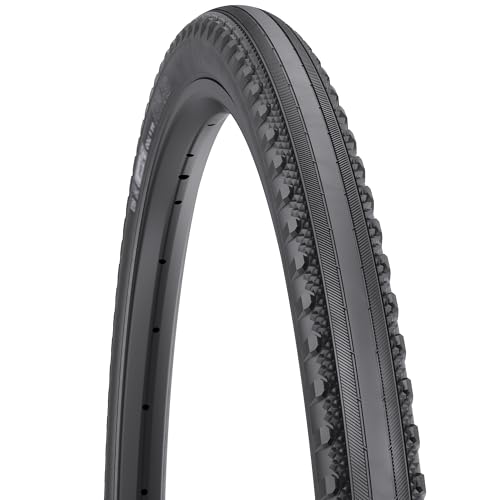
- Slick centerline for pavement
- Substantial side knobs for cornering
- Tubeless-ready, dual-compound design
Best For: Pavement-heavy gravel rides and bikepacking with 44 mm clearance
650B Semi-Slick Pick

- Semi-slick for pavement and hardpack
- Dual-compound tread
- EXO sidewall protection
Best For: 650B rides mixing pavement, hardpack, and light gravel
Commuting and Touring Pick

- Closely spaced road-friendly center
- Outer knobs for loose ground
- Wire-bead clincher construction
Best For: Mixed-surface commuting and touring on 700C wheels
700C Semi-Slick Pick
- Semi-slick for firm surfaces
- Dual-compound tread
- EXO-protected sidewalls
Best For: 700C pavement and hardpack rides with light gravel
Rough-Pavement All-Rounder

- Designed for gravel, dirt, and rough pavement
- ZSG Gravel compound for varied conditions
- Tubeless-ready folding bead with BeadLock
Best For: Mixed routes with rough pavement and dirt
Hardpack Semi-Slick

- Semi-slick tread for pavement and hardpack
- Dual-compound rubber balances speed and grip
- EXO cut- and abrasion-resistant sidewalls
Best For: Pavement-heavy routes with light gravel
Fast Slick-Center Pick

- Slick centerline reduces rolling resistance
- Short knobs add hardpack cornering grip
- SG protection and TCS tubeless-ready design
Best For: Fast pavement and hardpack rides with gravel sections
Best for Rough Pavement

- 700x35C mixed-surface size
- Dual-layer puncture protection
- Tubeless-ready BeadLock design
Best For: Pavement-to-gravel rides with puncture concerns
Best for Wider Mixed-Surface Riding

- 700x40C mixed-surface option
- Fast-rolling diamond-pattern center
- Tubeless-ready BeadLock fitment
Best For: Pavement rides that regularly extend onto dry gravel
Best for 26-Inch Commuters

- 26x1.75 tube-type clincher
- Puncture belt and reinforced sidewalls
- Designed for high-mileage riding
Best For: 26-inch commuting across streets and gravel paths
Wide Pavement-to-Gravel Pick – WTB Byway 700 x 44
WTB Byway Gravel Bike Tire (700 x 44) Tubeless Folding, Fast Rolling, Pavement & Bikepacking (Black)
Check Price On AmazonThe WTB Byway is a wide option among gravel tires for pavement: its slick centerline favors efficient road riding, while its outer tread is built for traction when the route turns rougher.
Best For: Riders who want a 700 x 44 tubeless-ready tire for pavement-heavy gravel rides and bikepacking.
Pros:
- Slick centerline and angular grooves support fast pavement rolling.
- Diamond-shaped tread and substantial side knobs add traction and cornering confidence.
- Dual-compound rubber and a tubeless-ready casing balance efficiency and grip.
Cons:
- The 44 mm width requires adequate frame and fork clearance.
- Only one tire is included.
Choose the Byway if you have room for a wider tire and want a road-friendly center tread without giving up pronounced shoulder knobs.
650B Semi-Slick Pick – Maxxis Receptor 650x47B EXO
For riders shopping for gravel tires for pavement on a 650B bike, this Maxxis Receptor pairs a semi-slick tread with features aimed at hard-packed dirt roads and light gravel.
Best For: 650B riders splitting their time between pavement, hardpack, and light gravel.
Pros:
- Semi-slick tread is designed for pavement and firm unpaved surfaces.
- Dual-compound rubber balances rolling resistance and grip.
- EXO material adds cut and abrasion resistance to the sidewalls.
Cons:
- The 650x47B size will not fit a 700C wheel.
- Its stated terrain focus is light gravel rather than demanding loose surfaces.
This is the Receptor option to consider if your bike takes 650B wheels and your off-road detours are mostly firm and relatively mild.
Commuting and Touring Pick – WTB All-Terrain 700 x 32
If you need gravel tires for pavement-focused commuting, the 700 x 32 WTB All-Terrain uses a tightly spaced center tread for roads and hardpack, with open outer knobs for looser ground.
Best For: Commuting and touring routes that mix city pavement with hardpack or occasional rough gravel.
Pros:
- Tightly spaced center tread supports efficient rolling on roads.
- Open outer knobs provide traction on loose surfaces.
- Durable casing and puncture-resistant tread suit regular urban use.
Cons:
- This listing is a 700 x 32 wire-bead clincher, not a tubeless-ready option.
- Its knobby outer tread is a compromise if you ride exclusively on pavement.
The All-Terrain makes sense when versatility and commuting durability matter more than choosing a dedicated pavement slick.
700C Semi-Slick Pick – Maxxis Receptor 700x40C EXO
The 700x40C Maxxis Receptor is a semi-slick choice among gravel tires for pavement, intended to carry its road-friendly tread onto hard-packed dirt and light gravel.
Best For: 700C gravel riders who primarily encounter pavement and firm unpaved roads.
Pros:
- Semi-slick tread suits pavement, hardpack, and light gravel.
- Dual-compound rubber balances rolling resistance with grip.
- EXO material provides cut and abrasion resistance at the sidewalls.
Cons:
- Its stated strengths center on firm surfaces and light gravel.
- The 40 mm width requires sufficient tire clearance.
Pick this Receptor over the 650B version if your wheels take 700C tires and you want the same pavement-to-hardpack approach in a 40 mm size.
Rough-Pavement All-Rounder – GravelKing SS 700 x 40C
If your search for gravel tires for pavement includes broken asphalt and dirt detours, the GravelKing SS is designed for gravel, dirt, and rough pavement. This 700 x 40C tubeless-ready tire pairs a ZSG Gravel compound with a folding aramid bead.
Best For: Riders who regularly move between rough pavement and unpaved roads.
Pros:
- ZSG Gravel compound is designed for grip across varied terrain and weather.
- Folding aramid bead keeps the tire lightweight and supports tubeless setups.
- BeadLock technology supports compatibility with hookless and clincher rims.
Cons:
- Its gravel-oriented tread may be more than you need for exclusively smooth pavement.
- The listed size is 700 x 40C, so check frame and rim compatibility before ordering.
Choose this one when pavement is only part of the route and reliable performance on rougher surfaces matters just as much.
Hardpack Semi-Slick – Maxxis Receptor EXO 700 x 40C
Among gravel tires for pavement, the Maxxis Receptor targets riders who also frequent hard-packed dirt roads and light gravel. Its semi-slick tread combines a fast center with cornering tread, while dual-compound rubber balances rolling resistance and grip.
Best For: Pavement-heavy rides with regular hardpack and light-gravel sections.
Pros:
- Semi-slick design is intended for pavement, hardpack, and light gravel.
- Dual-compound tread balances rolling efficiency and grip.
- EXO material adds cut- and abrasion-resistant sidewall protection.
Cons:
- Its stated focus is light gravel and hardpack, not particularly loose or muddy routes.
- The listed 700 x 40C size requires adequate bike clearance.
The Receptor is a practical match when you want a pavement-friendly tread without giving up sidewall protection for gravel detours.
Fast Slick-Center Pick – WTB Vulpine S 700 x 45
For gravel tires for pavement with a racing focus, the WTB Vulpine S uses a slick centerline to reduce rolling resistance. Short, closely spaced knobs around its rounded profile provide cornering traction on hardpack, making it suited to pavement and gravel riding.
Best For: Riders prioritizing efficient pavement and hardpack miles while still tackling gravel.
Pros:
- Slick centerline is designed for efficient rolling on pavement and hardpack.
- Short knobs provide predictable cornering traction.
- SG sidewall protection and TCS tubeless-ready construction support rougher rides.
Cons:
- The 700 x 45 size needs more tire clearance than a 700 x 40C option.
- Its slick-center design is aimed at pavement and hardpack rather than deep, loose terrain.
Pick the Vulpine S if a fast-rolling feel is the priority and your bike has room for its 45 mm width.
Best for Rough Pavement – GravelKing SS Plus 700x35C
For riders comparing gravel tires for pavement but expecting dirt and rough roads too, this 700x35C GravelKing SS Plus offers a relatively narrow gravel-bike option. Its TuffTex+ casing adds dual-layer bead-to-bead puncture protection.
Best For: Mixed pavement and gravel rides where puncture protection matters.
Pros:
- Dual-layer bead-to-bead puncture protection.
- Tubeless-ready, with BeadLock fitment for hooked and hookless rims.
- ZSG Gravel compound is designed for grip and lower rolling resistance.
Cons:
- The 35 mm width may offer less cushioning than a wider tire on rough routes.
- Check frame and rim compatibility before choosing a tubeless setup.
Choose this version if you want a 35 mm tire for paved stretches without giving up a casing built for gravel-route hazards.
Best for Wider Mixed-Surface Riding – GravelKing SS 700x40C
Among gravel tires for pavement, this 700x40C GravelKing SS suits riders who also spend time on dry dirt and gravel. Its smooth diamond-pattern center is designed for speed, while more aggressive side knobs support handling off the pavement.
Best For: Riders wanting a wider, tubeless-ready tire for pavement and dry gravel.
Pros:
- Diamond-pattern center and side knobs balance speed and dry-terrain handling.
- BeadLock supports tubeless fitment on hooked and hookless rims.
- Folding Aramid bead offers flexible installation.
Cons:
- The 40 mm width requires sufficient bike-frame clearance.
- The stated tread focus is dry terrain, rather than deep mud.
This is the wider SS choice for riders who value its pavement-friendly center tread but want side knobs for gravel turns.
Best for 26-Inch Commuters – Continental Ride Tour 26×1.75
If you need gravel tires for pavement on a 26-inch commuter or trekking bike, the Continental Ride Tour is built for everyday tarmac, city streets, and gravel paths. This 26×1.75 wire-bead clincher uses an inner tube.
Best For: Regular commuting and touring on a compatible 26-inch bike.
Pros:
- ExtraPuncture Belt and reinforced sidewalls add puncture and abrasion protection.
- Additional rubber layer is intended for high mileage.
- Rated for e-bikes up to 25 km/h.
Cons:
- Requires an inner tube; it is not listed as tubeless-ready.
- 26×1.75 (ISO 47-559) fit will not suit bikes built for 700C tires.
Pick this tire for durable everyday use rather than a tubeless gravel-bike setup, and confirm the ISO size matches your rims.
How We Picked the Best Gravel Tires for Pavement
We focused on tires suited to routes where pavement makes up a substantial share of the ride, while still allowing for detours onto gravel or paths. The selection spans slick-center gravel tread, semi-slick designs, and all-terrain touring options. We considered tread layout, available widths, tubeless compatibility, puncture-protection options, and the intended balance between road speed and loose-surface control. Several listed products are variants of the same tire family, so compare the exact size, casing, and bead specification rather than assuming every listing rides alike.
Quick Comparison: Which Tread Fits Your Route?
Mostly pavement, occasional firm gravel: Start with a smooth or nearly smooth center tread, such as a Byway-style design. It favors quiet, easy rolling on roads; edge tread can help when a route turns loose.
Frequent mixed-surface rides: A semi-slick such as the Receptor, GravelKing SS, or Vulpine S offers a middle ground between paved-road efficiency and predictable handling on hardpack. Compare casing and protection versions before choosing.
Commuting and touring: An all-terrain or touring tire may be the more practical choice when durability and everyday versatility matter more than a race-oriented feel. Check its bead type and whether it supports your preferred flat-prevention setup.
Key Buying Factors for Gravel Tires for Pavement
Tread and Surface Mix
Prioritize the surface you actually ride. A smooth center generally makes more sense for long paved stretches than widely spaced knobs. Shoulder tread becomes more useful on loose corners, but no semi-slick is a substitute for a more aggressive tire in deep gravel, mud, or sand.
Width, Clearance, and Pressure
Wider tires can add comfort and control on broken pavement and gravel, but only if your frame and fork have enough clearance. Confirm the tire’s stated size, your rim’s compatibility, and the bike maker’s clearance guidance. Tire pressure matters too: avoid choosing a tire solely by width when an appropriate pressure may noticeably improve the ride.
Setup and Flat Protection
Check whether a specific version is tubeless-ready or requires tubes; a folding bead alone does not confirm tubeless compatibility. For glass-strewn commutes, a protective casing may be worth a possible weight trade-off. If you use tubes, factor in ease of installation and your usual repair routine.
Who Should Buy Which Gravel Tires for Pavement?
Road-first riders: Choose a fast-rolling slick-center pattern in a width your bike clears comfortably. Weekend gravel riders: Pick a semi-slick with enough shoulder tread for your typical corners and trails. Daily commuters: Favor the casing and flat-protection features that suit your roads, even if the tire is not the lightest. Tourers: Put reliable fit, durability, and straightforward maintenance ahead of marginal speed gains. Before checkout, verify the exact variant in the listing—especially when a tire family comes in multiple widths or protection levels.
