
A budget power meter for cycling can transform training by making effort measurable instead of guesswork. The best options today are more accurate, easier to install, and more versatile than ever.
Whether you want pedals, a crankset, or a spider-based setup, this roundup focuses on practical choices that deliver real value for everyday riders and data-driven cyclists alike.
Best 9 Budget Power Meter for Cycling Picks for 2026
Best Value Dual-Protocol Pick
GEOID PM500 Power Meter Crankset
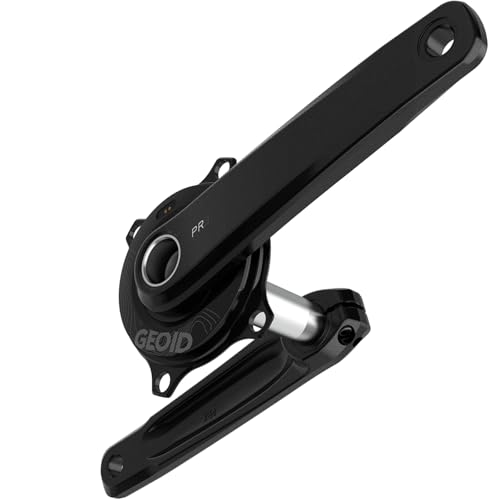
- ±1.5% claimed accuracy for solid training data
- Bluetooth/ANT+ support for wide app and head-unit compatibility
- 300-hour battery life reduces recharging hassle
Best For: Road cyclists who want an affordable crank-based power meter with broad device support.
Best for Easy Transfer Between Bikes
Garmin Rally XC110 Power Meter Pedals

- Pedal-based design installs and swaps like standard pedals
- Tracks total power and cadence with +/- 1% accuracy
- Rechargeable battery lasts up to 90 hours per charge
Best For: Off-road riders who want a transferable power meter with an upgrade path.
Best Single-Sided Power Meter
Favero Assioma Uno Pedal-Based Meter
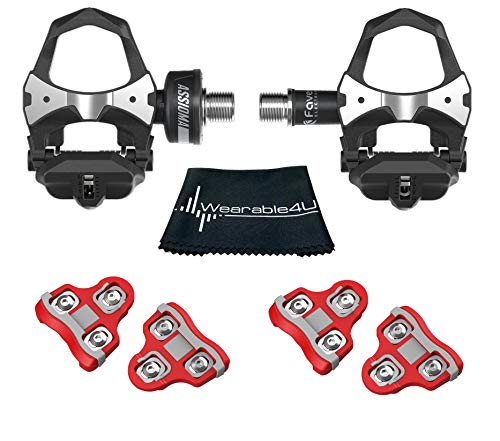
- Easy pedal-based installation and bike swapping
- Rechargeable with up to 50 hours of battery life
- Includes extra cleats and useful pedaling analytics
Best For: Cyclists who want an easy-to-use, single-sided power meter with strong training value.
Best for 110 BCD 4-Bolt Cranks
ThinkRider PP5 Spider Power Meter

- Dual-sided power and cadence tracking
- BLE + ANT+ for broad head unit support
- Up to 300 hours of battery life
Best For: Road cyclists with compatible 110 BCD 4-bolt cranksets who want affordable power data.
Best Off-Road Power Meter
LOOK X-Track Power Single Pedals

- SPD-compatible pedal power meter for gravel and MTB
- Single-sensor setup keeps things simpler
- Useful for riders who want portable power data
Best For: Gravel and mountain bikers seeking pedal-based power tracking on a tighter budget.
Best Premium Dual-Sided Accuracy
Favero Assioma Duo Power Meter Pedals
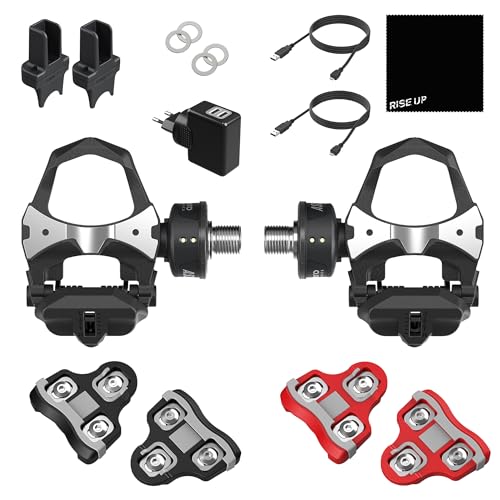
- Dual-sensing pedals track left/right power balance
- ±1% accuracy with temperature compensation
- Rechargeable and easy to move between bikes
Best For: Riders who want detailed power metrics and an easy-to-transfer pedal-based meter.
Best for Accuracy
Magene P715 Power Meter Pedals

- ±1% claimed accuracy for training data you can trust
- 120-hour battery life for fewer charging interruptions
- Bluetooth and ANT+ support for easy pairing
Best For: Cyclists who want a pedal-based power meter with accurate data and simple setup.
Best for Dual-Sided Accuracy
Magene P715 SPD-SL Power Pedals
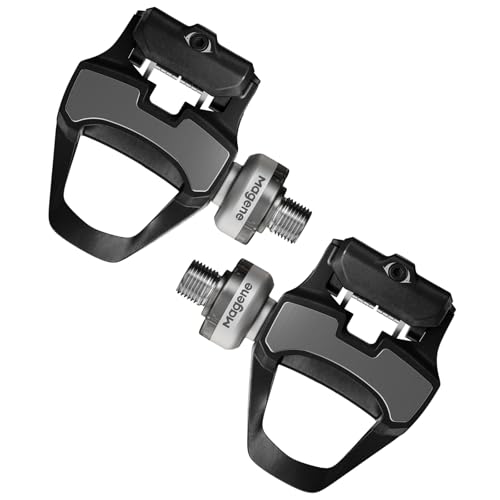
- Dual-sensing left/right power with ±1% accuracy
- SPD-SL compatible for easy road-bike setup
- 120-hour battery life with Bluetooth and ANT+
Best For: Road cyclists who want detailed left/right power data and easy installation.
Best for Dual-Sided Training
Magene P715 Dual-Sensing Power Pedals

- Measures left and right leg power separately
- ±1% claimed accuracy for structured training
- Bluetooth + ANT+ with 120-hour battery life
Best For: Cyclists who want detailed left/right power data and quick pedal-based installation.
Best Value Dual-Protocol Pick – GEOID PM500 Power Meter Crankset
The GEOID PM500 is a practical budget power meter for cycling if you want core training metrics without moving into top-tier pricing. It combines claimed ±1.5% accuracy, dual Bluetooth/ANT+ connectivity, and long battery life, making it a solid fit for riders who want structured power data on road bikes.
Best For: Road cyclists and training-focused riders who want an affordable crank-based power meter with broad head-unit compatibility.
Pros:
- Claimed ±1.5% accuracy for dependable training data
- Bluetooth and ANT+ support works with most bike computers and apps
- Up to 300 hours of battery life helps cut charging frequency
- 110 BCD design supports common chainring setups
Cons:
- Crankset-based installation is less plug-and-play than a basic pedal meter
- Only useful for riders who already want or can use a 110 BCD crank setup
Overall, the PM500 stands out as a budget power meter for cycling when you care more about training-ready features and compatibility than the absolute lowest-cost entry point. It offers a strong mix of accuracy, battery life, and connectivity for riders building a serious data-driven setup on a tighter budget.
Best for Easy Transfer Between Bikes – Garmin Rally XC110 Power Meter Pedals
If you want a practical budget power meter for cycling-style training data on the trail, the Garmin Rally XC110 is built around simplicity: install it like a standard pedal, pair it to a compatible Garmin device, and start tracking total power and cadence. Its pedal-based design makes it especially appealing if you ride more than one bike and want a meter you can move quickly.
Best For: Riders who want an off-road power meter they can swap between bikes without a complicated install, plus the option to upgrade later.
Pros:
- Easy pedal-style installation and fast bike transfers
- Single-sensing design still delivers power and cadence data
- Rechargeable with up to 90 hours of battery life
- Pedal IQ calibration alerts help maintain accuracy
Cons:
- Single-sided measurement is less comprehensive than dual-sensing systems
- Requires Shimano SPD-compatible cleats for off-road use
- Pricier than entry-level options in the budget power meter for cycling category
The Rally XC110 stands out if you value convenience, durability, and upgrade flexibility more than the lowest possible price. For riders building a budget power meter for cycling setup around gravel or MTB use, it offers a polished path to accurate data without locking you into a one-bike solution.
Best Single-Sided Power Meter – Favero Assioma Uno Pedal-Based Meter
If you want a budget power meter for cycling that still delivers reliable training data, the Favero Assioma Uno is a smart pedal-based option. It measures power from the left pedal, installs like a normal pedal, and gives you cadence plus helpful pedaling metrics without a complicated setup.
Best For: Riders who want an easy-to-install, pedal-based power meter with solid training features and extra cleats included.
Pros:
- Simple pedal swap installation with no special tools
- Rechargeable battery with up to 50 hours of ride time
- Useful pedaling analytics like cadence, balance, and smoothness
- Bundle includes extra cleats and a cleaning cloth
Cons:
- Single-sided design measures left pedal power only
- More expensive than basic non-power training pedals
For riders who want a practical budget power meter for cycling, the Assioma Uno hits a strong middle ground between ease of use and training insight. It is especially appealing if you value quick transfer between bikes and want a pedal-based system that feels straightforward day to day.
Best for 110 BCD 4-Bolt Cranks – ThinkRider PP5 Spider Power Meter
If you need a budget power meter for cycling that still covers the essentials, the ThinkRider PP5 is aimed at riders with 110 BCD, 4-bolt Easton-spec crankset compatibility. It adds dual-sided power data, cadence, and wireless support for Garmin- and Wahoo-style head units, making it a practical training upgrade without jumping to a top-tier price tier.
Best For: Road cyclists with compatible 110 BCD 4-bolt cranksets who want affordable power data, long battery life, and easy ANT+/BLE pairing.
Pros:
- Dual-sided power measurement plus cadence for more complete training data
- BLE and ANT+ compatibility works with most major bike computers
- Up to 300 hours of battery life helps reduce charging hassle
- IPX7 water resistance adds confidence for wet rides and indoor sessions
Cons:
- Compatibility is narrow: Easton-spec interfaces only
- Supports 110 BCD, 4-bolt chainrings only
- Not the most universal option if you switch cranksets often
For riders who already have the right crank interface, the PP5 is a compelling budget power meter for cycling because it focuses on core training metrics and long runtime rather than premium extras. The main tradeoff is fitment, but for compatible builds it offers a straightforward way to get power-based training on a tighter budget.
Best Off-Road Power Meter – LOOK X-Track Power Single Pedals
If you want a budget power meter for cycling that works on gravel and trail rides, the LOOK X-Track Power Single gives you a practical way to track power without moving to a full dual-sensor setup. Built on LOOK’s SPD-compatible X-Track platform, it’s aimed at riders who want reliable power data in a pedal format that can handle MTB-style conditions.
Best For: Gravel and mountain bikers who want pedal-based power data with a simpler, more affordable single-sensor approach.
Pros:
- Pedal-based power meter is easy to move between compatible bikes.
- Single-sensor design keeps the setup simpler than dual-sided systems.
- SPD-style platform suits gravel, MTB, and rougher terrain use.
- Good option for riders who want power analysis without a full race-grade price tag.
Cons:
- Single-sided measurement is less comprehensive than dual-sensor pedals.
- Not the cheapest route if you only need basic training data.
- Pedal-based systems may not suit riders who prefer crank or spider meters.
For riders building a budget power meter for cycling around off-road sessions, this LOOK pedal set is appealing because it combines familiar SPD compatibility with straightforward power tracking. It’s a smart fit if you value versatility and terrain-ready use more than absolute top-end measurement depth.
Best Premium Dual-Sided Accuracy – Favero Assioma Duo Power Meter Pedals
If you want a budget power meter for cycling that still delivers serious training data, the Favero Assioma Duo is a strong pedal-based option. It’s easy to move between bikes, connects over Bluetooth and ANT+, and focuses on real-world accuracy rather than flashy extras.
Best For: Riders who want dual-sided power data, simple installation, and reliable performance for structured training.
Pros:
- Dual-sensing design captures left/right power balance for more detailed analysis
- ±1% accuracy with automatic temperature compensation for consistent readings
- Pedal-based setup installs quickly and swaps between bikes without special tools
- Rechargeable battery offers 50+ hours per charge
Cons:
- Higher upfront cost than entry-level single-sided meters
- Road pedal format may not suit riders using other cleat systems
For riders comparing a budget power meter for cycling with premium-level accuracy, this model stands out for its mix of portability, durable construction, and true dual-sided measurement. It’s especially appealing if you want dependable training data across multiple bikes without a complicated install.
Best for Accuracy – Magene P715 Power Meter Pedals
If you want a budget power meter for cycling that still delivers serious training data, the Magene P715 is a strong contender. It combines ±1% claimed accuracy, dual Bluetooth and ANT+ support, and a quick setup that makes it easy to move between bikes without a complicated install.
Best For: Riders who want a reliable pedal-based power meter with strong accuracy, long battery life, and broad head-unit/app compatibility.
Pros:
- ±1% power accuracy is a standout for structured training.
- 120-hour battery life reduces charging hassle.
- Bluetooth and ANT+ support make pairing flexible.
- Pedal-based design is easy to install and swap between bikes.
Cons:
- Costs more than basic entry-level power options.
- Pedals may not suit riders who prefer crank- or spider-based meters.
For riders comparing options in the budget power meter for cycling category, the P715 stands out because it focuses on the core essentials: accuracy, battery life, and compatibility. It’s a practical pick if you want training-grade power data without jumping into a much pricier ecosystem.
Best for Dual-Sided Accuracy – Magene P715 SPD-SL Power Pedals
If you want a budget power meter for cycling that still offers serious training data, the Magene P715 is a compelling pedal-based option. It measures left and right leg power independently, supports SPD-SL cleats, and connects easily to cycling computers and apps via Bluetooth and ANT+.
Best For: Riders who want dual-sided power data, fast installation, and broad device compatibility without jumping to a top-tier price point.
Pros:
- Dual-sensing design tracks left and right power separately with ±1% accuracy
- SPD-SL compatible, so many road riders can upgrade without changing cleats
- 120-hour battery life is strong for long training blocks and endurance rides
- Bluetooth and ANT+ support make setup and data syncing simple
Cons:
- SPD-SL only, so it is not a fit for riders using other pedal standards
- More specialized than basic single-sided power options
- Pedal-based design may not suit riders who prefer crank or spider meters
Overall, the P715 stands out as a practical budget power meter for cycling if you want high-value training metrics, easy installation, and dual-sided data in a road-pedal format.
Best for Dual-Sided Training – Magene P715 Dual-Sensing Power Pedals
If you want a budget power meter for cycling that still gives you serious training data, the Magene P715 stands out with dual-sensing left/right measurement, ±1% claimed accuracy, and easy KEO compatibility. It’s a strong fit for riders who want more detailed power analysis without a complicated install.
Best For: Cyclists who want left/right power balance, quick setup, and dual connectivity in a pedal-based meter.
Pros:
- Dual-sensing design measures left and right leg power separately
- ±1% accuracy makes it suitable for structured training
- Bluetooth and ANT+ support works with most head units and apps
- 120-hour battery life is excellent for long training blocks
Cons:
- KEO compatibility limits it to riders using that pedal system
- Pricier than basic entry-level power meters
- Pedal-based design may not suit riders who prefer crank-based meters
For riders prioritizing detailed pedal data, the P715 is a compelling budget power meter for cycling because it combines advanced dual-sided tracking with simple installation and broad device support. It’s a practical upgrade for training-focused cyclists who want more insight per ride.
How We Picked the Best Budget Power Meter for Cycling
We focused on models that offer a strong balance of price, accuracy, battery life, connectivity, and everyday usability. For a Budget Power Meter for Cycling, the best value usually comes from reliable data, simple pairing with head units or apps, and a format that matches your bike and riding style.
We also considered installation complexity, pedal compatibility, transferability between bikes, and whether the unit makes sense for road, gravel, or MTB riders.
Quick Comparison: What Matters Most
Pedal-Based Vs. Crankset Vs. Spider
Pedal-based meters are often the easiest to move between bikes, while crankset and spider systems can be more integrated and sometimes better suited to riders who want a semi-permanent setup. If you switch bikes often, pedals tend to be the simplest choice.
Single-Sided Vs. Dual-Sided
Single-sensing models cost less and are a smart starting point for many riders. Dual-sensing models give fuller left-right data and can be worth the extra cost if you train with power seriously or want more detailed analysis.
Key Buying Factors for a Budget Power Meter for Cycling
- Accuracy: Look for stated accuracy of around ±1% to ±1.5% if consistency matters for training.
- Battery life: Longer battery life means less maintenance and fewer interruptions before rides.
- Compatibility: Check cleat standard, crank interface, spindle type, and whether your bike supports the required drivetrain standard.
- Connectivity: ANT+ and Bluetooth make pairing easier with most bike computers, watches, and training apps.
- Durability: Water resistance and rugged construction matter if you ride in wet or muddy conditions.
Who Should Buy Which Budget Power Meter for Cycling?
If you want the easiest setup and the ability to move a meter between bikes, pedal systems are usually the best fit. If you prefer a cleaner integrated look and mostly ride one bike, a crankset or spider option may make more sense.
Riders just starting structured training can usually begin with a single-sided meter, while cyclists who want more advanced data should consider a dual-sensing model. For MTB, gravel, or road-specific setups, match the pedal standard and platform to your shoe and drivetrain compatibility before buying.
In short, the best Budget Power Meter for Cycling is the one that fits your bike, your training goals, and how often you want to move it between rides.
