
A portable bivy sack can add crucial warmth and weather protection without taking up much space in a hiking pack, vehicle emergency kit, or bug-out bag.
We compared 10 options, from ultralight Mylar emergency bivies to more durable mummy-shaped covers, focusing on portability, thermal performance, weather resistance, and practical use.
Best 10 Portable Bivy Sacks Picks for 2026
Best Value Emergency Pair

- Two-pack for shared or backup kits
- Reflects up to 95% of body heat
- Compact and multipurpose design
Best For: Families, couples, and emergency preparedness kits
Best Sleeping Bag Protector
Mammut Grevling EMT Bivouac Bag

- Mummy-shaped sleeping bag cover
- Water-resistant and spark-proof fabric
- Lightweight 12-ounce nylon construction
Best For: Protecting sleeping bags during hiking, camping, and mountaineering
Best Two-Pack Emergency Kit
Reflective Mylar Sleeping Bags

- Two individually packed emergency bags
- Reflects up to 90% of body heat
- Includes a 120-decibel whistle
Best For: Vehicle, backpack, and household emergency kits
Best Reusable Thermal Option
Sierra Madre Emergency Bivy Sack

- Reflects 90% of body heat
- Six-ounce, full-coverage design
- Reusable and waterproof
Best For: Lightweight backpacking and emergency preparedness
Ultra-Light Emergency Pick
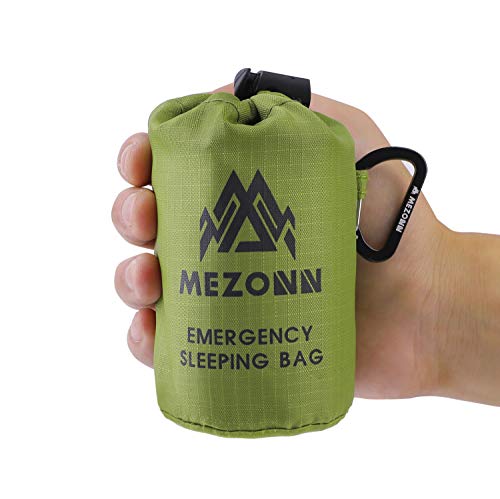
- 4.2-ounce design packs into a small storage bag
- Reflects up to 90% of body heat
- Works as a bivy, blanket, mat, or poncho
Best For: Ultralight emergency kits and day hikers
Two-Pack Preparedness Value

- Includes two compact emergency sleeping bags
- Reflects up to 90% of body heat
- Waterproof, windproof, and tear-resistant Mylar
Best For: Families, pairs, and shared emergency kits
Made-in-USA Emergency Essential

- Tear-resistant polyethylene has sealed seams
- Reflective insulation retains up to 90% of body heat
- Compact one-person emergency design
Best For: Hiking packs, roadside kits, and preparedness supplies
Emergency Visibility Pick

- Two-pack with compact storage bags
- Reflective, waterproof Mylar construction
- Includes compass and carrying strap
Best For: Car kits, hiking packs, and emergency preparedness
Full-Length Shelter Pick

- 84-by-36-inch full-body coverage
- Lightweight waterproof Mylar foil
- Includes Velcro storage pouch
Best For: Individual hiking, backpacking, and emergency kits
Family Readiness Pick

- Two 84-by-36-inch emergency bivies
- Compact for vehicles and backpacks
- Reflective Mylar, waterproof, and wind-resistant
Best For: Families, vehicles, and shared emergency kits
Best Value Emergency Pair – Mylar Thermal Bivy Sacks
For shoppers comparing portable bivy sacks for emergency kits, hiking, or camping, this two-pack emphasizes compact storage and basic weather protection. The Mylar foil construction is designed to reflect up to 95% of body heat while helping block wind, rain, and snow.
Best For: Couples, families, and backup emergency kits needing two lightweight thermal shelters.
Pros:
- Two bags included, each measuring 78 by 47 inches.
- Reflects up to 95% of body heat according to the supplied specifications.
- Compact, lightweight, and reusable for camping, hiking, or emergency storage.
- Can also serve as a shelter, ground cover, blanket, or signaling reflector.
Cons:
- No buckle or zippered closure.
- Mylar foil may be less suited to repeated rugged use than heavier fabric bivy sacks.
- The listed temperature range is 6 to 15 degrees Celsius, so it is not a standalone cold-weather sleeping system.
This is a practical value pick when quantity and compact emergency coverage matter most. Its wide rectangular design is versatile, but buyers should view it as an emergency thermal shelter rather than a fully insulated sleeping bag.
Best Sleeping Bag Protector – Mammut Grevling EMT Bivouac Bag
Among portable bivy sacks, the Mammut Grevling EMT is designed less as an emergency cocoon and more as a protective cover for a sleeping bag. Its mummy shape helps shield bedding from dew, dirt, sparks, and general wear while adding relatively little weight.
Best For: Backpackers, hikers, and mountaineers who want to protect a sleeping bag from outdoor grime and moisture.
Pros:
- Mummy-shaped 195L design measures 85 by 32 inches.
- Water-resistant and spark-proof protection for sleeping bags.
- Lightweight nylon construction weighs 12 ounces.
- Zipper closure and wipe-clean care add convenience.
Cons:
- It is primarily a sleeping bag cover, not a highly insulated emergency sleeping bag.
- Only one bag is included.
- The supplied details do not specify a waterproof rating or independent temperature rating.
The Grevling EMT makes the most sense for extending the useful life of an existing sleeping bag. Choose it for protection and easier campsite maintenance rather than for maximum thermal emergency performance.
Best Two-Pack Emergency Kit – Reflective Mylar Sleeping Bags
These portable bivy sacks are aimed at lightweight emergency preparedness, with two individually packed Mylar bags that fit easily in a vehicle, backpack, or home kit. Each bag is designed to reflect 90% of body heat and includes a head-covering section for broader coverage.
Best For: Emergency kits that need two ultralight, individually stored thermal shelters with visibility and signaling features.
Pros:
- Two sleeping bags, each weighing about 2.8 ounces.
- 84-by-36-inch size provides generous adult coverage.
- Waterproof, windproof, reusable Mylar construction reflects up to 90% of body heat.
- Includes a 120-decibel whistle and a bright edge strip for emergency visibility.
Cons:
- The supplied notes emphasize that the Mylar material is very thin.
- Drawstring closure may be less secure than a zippered design.
- Rectangular emergency-bag construction offers limited insulation beyond heat reflection.
This two-pack is a strong preparedness choice when minimal packed weight and signaling capability are priorities. Its thin Mylar construction keeps it portable, but it should be handled as emergency gear rather than a durable expedition bivy.
Best Reusable Thermal Option – Sierra Madre Emergency Bivy Sack
For buyers seeking portable bivy sacks with full-body coverage and repeat-use potential, the Sierra Madre emergency bivy combines an 84-by-36-inch shape with a six-ounce packed weight. Its thermal material is designed to reflect 90% of body heat while resisting wind and water.
Best For: Backpackers, hikers, and emergency-kit owners who want one lightweight, reusable thermal shelter.
Pros:
- Large 84-by-36-inch dimensions accommodate a range of body types.
- Reflects 90% of body heat and provides waterproof, windproof coverage.
- Six-ounce design packs into a drawstring stuff sack.
- Reusable, foldable, reversible, and backed by a two-year manufacturer warranty.
Cons:
- Open closure provides less containment than a zippered bivy.
- Only one bivy sack is included.
- It is a thermal emergency shelter, not a conventional insulated sleeping bag.
The Sierra Madre stands out for combining broad coverage with a still-manageable six-ounce weight. It is a sensible single-person backup for packs and emergency kits, especially for shoppers who prefer a reusable design over a one-time-use blanket.
Ultra-Light Emergency Pick – Compact Thermal Bivy Sack
For shoppers comparing portable bivy sacks, this lightweight emergency model is designed for keeping in a backpack, vehicle, or first-aid kit. Its compact storage size, reflective insulation, and multipurpose design make it useful as backup shelter rather than a traditional camping sleeping bag.
Best For: Hikers, campers, and emergency-preparedness kits that prioritize minimal packed weight and visibility.
Pros:
- Weighs only 4.2 ounces and packs into a 3.9-by-5.1-inch bag.
- Reflects up to 90% of body heat and uses a bright color intended to aid visibility.
- Waterproof, windproof, tear-resistant construction includes reinforced tape seams.
- Can also serve as a blanket, ground mat, poncho, shade, or emergency shelter.
Cons:
- Its thin emergency-oriented construction is not a substitute for a fully insulated sleeping bag.
- The listed design is intended for emergency use and may provide limited comfort for extended trips.
This is a strong choice when packability and emergency versatility matter most. The generous 37-by-80.7-inch size offers full-body coverage, while the 4.2-ounce weight keeps it easy to carry as a backup layer.
Two-Pack Preparedness Value – Reflective Mylar Bivy Bags
These portable bivy sacks come as a two-pack, giving couples, families, or backup kits an extra emergency shelter option. The Mylar construction is waterproof, windproof, and tear-resistant, while the compact storage format makes the set practical for camping, road trips, and disaster preparedness.
Best For: Households and outdoor groups that want two lightweight emergency sleeping bags with high-visibility orange surfaces.
Pros:
- Includes two emergency sleeping bags, each weighing about 0.26 pounds.
- Reflects up to 90% of body heat to help reduce heat loss.
- Unfolds to approximately 83-by-35 inches and is described as suitable for adults and kids.
- Bright orange, reflective material can help rescuers locate users.
Cons:
- The compact foil-style design is focused on emergency warmth rather than sleeping comfort.
- The product details provide limited information about long-term durability beyond the tear-resistant construction.
The two-pack is the main advantage here: it offers broader coverage for family emergency supplies without adding much packed weight. Its multipurpose format can also function as a blanket, ground mat, poncho, tent, or sun shade.
Made-in-USA Emergency Essential – Compact Survival Bivy
For a compact addition to portable bivy sacks and survival supplies, this polyethylene emergency sleeping bag emphasizes quick storage and multipurpose protection. It is designed to fit in an emergency or hiking kit, then unfold into a full-body cover for roadside, camping, or unexpected outdoor situations.
Best For: Preparedness kits and hikers seeking a compact, lightweight emergency bivy with sealed seams.
Pros:
- Made with tear-resistant polyethylene and sealed seams for weather protection.
- Designed to retain up to 90% of body heat through reflective insulation.
- Smaller than a soda can and lighter than a deck of cards, according to the product notes.
- Can function as an emergency blanket, bivy, compact sleeping bag, or lightweight cover.
Cons:
- It is a one-person emergency shelter.
- The product details provide limited information about temperature performance beyond the listed rating of 90.
- Its pull-on closure and cylindrical shape may offer fewer adjustment options than a conventional sleeping bag.
This model stands out for easy carry and broad emergency utility. Its small packed footprint makes it convenient to keep in a hiking pack, car kit, or general preparedness bag, though it remains best viewed as emergency protection rather than overnight luxury.
Emergency Visibility Pick – Esky Thermal Bivy Sack
For shoppers comparing portable bivy sacks, the Esky Emergency Sleeping Bag stands out as a compact two-pack with reflective Mylar, waterproof construction, and a bright orange exterior. It is designed for emergency warmth, visibility, and multiple roadside or outdoor uses.
Best For: Car emergency kits, hiking packs, and survival gear where visibility and a two-pack are priorities.
Pros:
- Reflective Mylar is designed to help retain body heat.
- Waterproof, windproof, tear-proof, and puncture-proof construction.
- Bright orange reflective surface can improve visibility to rescuers.
- Includes a storage bag, carrying strap, and compass.
Cons:
- The listed maximum height recommendation is 180 centimeters.
- The product is primarily an emergency shelter rather than a conventional insulated sleeping bag.
This is a practical choice when portability, signaling, and versatility matter as much as warmth. The included compass and storage bag add useful preparedness features, while the two-pack supports keeping one bivy in separate kits.
Full-Length Shelter Pick – Mylar Thermal Survival Bivy
These portable bivy sacks provide a full-length 84-by-36-inch emergency sleeping surface in lightweight Mylar foil. The single-pack design is suited to hikers, campers, and preparedness kits that need a compact shelter layer for cold, wet, or windy conditions.
Best For: Individual emergency kits, backpacking, and outdoor activities where full-body coverage is important.
Pros:
- 84-by-36-inch dimensions provide full-body coverage for adults or children.
- Waterproof Mylar foil helps provide an emergency barrier against weather.
- Lightweight and portable for bug-out bags and hiking equipment.
- Includes a Velcro pouch for storage.
Cons:
- Only one emergency sleeping bag is included.
- The sealed-seam closure may be less convenient than an open blanket-style design.
Choose this model if you want a generously sized emergency bivy in a single, easy-to-store package. Its emphasis is on full-body coverage and lightweight preparedness rather than everyday sleeping-bag comfort.
Family Readiness Pick – NovaMedic Two-Pack Bivy
The NovaMedic Emergency Sleeping Bag is a two-pack of portable bivy sacks measuring 84 by 36 inches. Its reflective Mylar construction is intended to help retain body heat while providing a lightweight, waterproof, and wind-resistant emergency layer for outdoor or roadside situations.
Best For: Families, shared emergency kits, vehicles, and travelers who want two individually packed bivy sacks.
Pros:
- Two individually packed emergency sleeping bags support shared preparedness.
- Full-body 84-by-36-inch sizing is suitable for adults.
- Compact design fits backpacks, glove boxes, luggage, and survival kits.
- Reflective Mylar helps retain warmth and serves as a waterproof, wind-resistant layer.
Cons:
- No warranty is listed.
- The product is intended for emergency use rather than traditional sleeping-bag insulation.
This two-pack offers a straightforward way to distribute emergency coverage between a vehicle, backpack, or family kit. It is especially useful for buyers who value compact storage and having a spare available for another person.
How We Picked the Best Portable Bivy Sacks
We evaluated these Portable Bivy Sacks against the needs of hikers, campers, emergency planners, and anyone building a compact survival kit. Key considerations included packed size, weight, material, heat-retention design, water resistance, ease of deployment, and intended reuse. We also distinguished disposable-style Mylar shelters from more durable bivouac covers, since they serve different purposes.
Emergency models are typically designed to reflect body heat and provide temporary protection from wind, rain, and cold. A camping bivy cover may offer better durability and comfort but can be heavier, bulkier, and more expensive. Product descriptions and specifications should be checked carefully before purchase, particularly for dimensions, included accessories, and whether a model is intended for one-time or repeated use.
Quick Comparison
- Best for emergency kits: Compact Mylar bivy sacks and two-packs are easy to distribute among vehicles, backpacks, and household supplies.
- Best for ultralight packing: Choose the lightest folded option that still provides adequate coverage for your height and sleeping setup.
- Best for repeated outdoor use: A purpose-built bivouac cover, such as a mummy-shaped design, is generally more suitable than thin emergency film.
- Best for groups: Multipacks offer practical redundancy for couples, families, and shared emergency equipment.
Key Buying Factors for Portable Bivy Sacks
Material and Heat Retention
Mylar and other reflective films are popular because they help reduce radiant heat loss while keeping weight and packed size low. They are useful as emergency shelters but may tear more easily than fabric bivy covers. Look for reinforced construction or reusable materials if you expect frequent deployment.
Weather Protection
Waterproof or water-resistant construction can help protect against rain, dew, and damp ground, but a bivy sack is not a substitute for a tent or sleeping pad. Check whether the design has a fully enclosed shape, seams that resist moisture, and enough coverage to shield your sleeping bag.
Size, Weight, and Packability
Confirm the unfolded dimensions before buying. A sack should provide enough room for your body and insulation without creating unnecessary bulk. For emergency storage, compact packaging matters; for overnight camping, durability and usable interior space may matter more than the smallest packed size.
Extras and Visibility
Bright colors can improve visibility during rescue situations, while accessories such as whistles, compasses, or storage pouches may add convenience. Treat these extras as bonuses rather than substitutes for core shelter performance.
Who Should Buy Which Portable Bivy Sacks?
Hikers and backpackers should prioritize low weight, compact storage, and compatibility with their sleeping bag and pad. Emergency-preparedness buyers may prefer inexpensive multipacks so every household member has access to basic warmth and weather protection. Drivers can choose compact emergency bivies for glove compartments, roadside kits, and winter-travel supplies. Frequent campers should consider a more durable bivouac cover designed for repeated use, while occasional users may get better value from lightweight Mylar models.
Whichever style you choose, store the bivy in an accessible waterproof pouch and inspect reusable models for tears before each trip. A portable bivy sack works best as one part of a broader sleep and shelter system that also includes insulation beneath you, suitable clothing, water, and a reliable communication plan.
