
Rear-facing radar can make busy roads feel more manageable by warning you when vehicles approach from behind. For beginners, the best system is one that delivers clear alerts without adding complicated setup or distracting controls.
This roundup compares 10 cycling radar systems with integrated tail lights, camera features, different alert options, and a range of prices. Use the guide below to match your riding habits, phone or bike computer, and safety priorities with the right type of radar.
Best 10 Cycling Radar Systems for Beginners Picks for 2026
Best Overall

- Detects vehicles up to 153 yards away
- Pairs with Garmin devices and compatible smartphones
- Up to 16 hours in day-flash mode
Best For: New riders seeking broad compatibility and dependable radar alerts
Best Battery Life
iGPSPORT SR mini Radar Tail Light

- Detects vehicles up to 160 meters away
- Up to 25 hours in radar-only mode
- Works with compatible iGPSPORT, Garmin, Wahoo, and Bryton devices
Best For: Frequent riders who want long runtime and flexible lighting modes
Best Bundle
Garmin Varia RTL515 With Multi-Tool

- Includes the RTL515 radar tail light
- Adds a 16-in-1 cycling multi-tool
- Detects vehicles up to 153 yards away
Best For: Beginners wanting radar safety gear plus basic roadside maintenance
Best Weather Protection
RAVEMEN NT201 Radar Tail Light
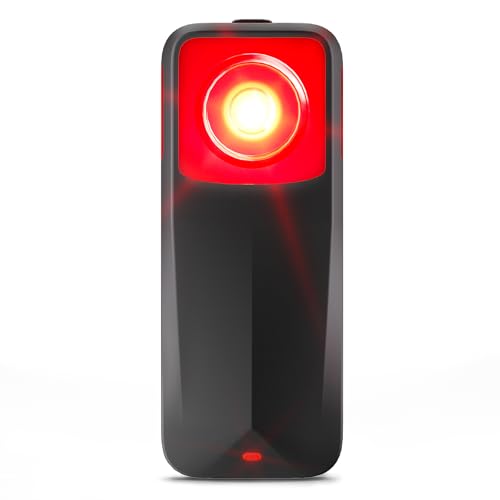
- IPX6 waterproof radar tail light
- Detects vehicles up to 140 meters away
- Up to 23 hours in slow-flashing mode
Best For: Commuters wanting weather resistance and ANT+ radar compatibility
Premium Camera Radar
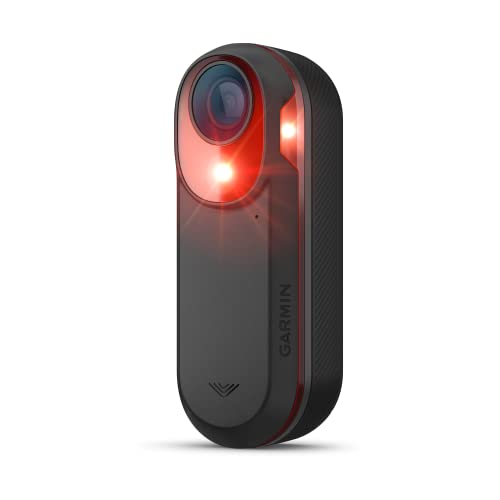
- Rear radar detects vehicles up to 153 yards away
- Records 1080p or 720p video with incident capture
- Includes tail light, app control, and 16 GB SD card
Best For: Riders wanting radar, lighting, and video recording together
Connected Radar Tail Light

- Detects approaching cars up to 150 meters away
- Adds adaptive lighting and brighter braking illumination
- Integrates with ELEMNT computers, watches, and the Wahoo App
Best For: Wahoo users seeking connected radar and tail-light functions
App-Free Alert Radar

- Requires no app or phone connection
- Detects vehicles up to 70 meters with a 10-meter alert
- Adds brake sensing, audible warnings, and up to 7.5 hours of runtime
Best For: Commuters wanting a standalone radar light with simple setup
Best Value Starter

- 140m vehicle alerts with brake highlighting
- Up to 40-hour battery life and IPX7 rating
- Works with COOSPO and compatible Garmin devices
Best For: Beginners wanting an all-in-one radar and tail light
Premium Complete Kit
Garmin Varia RearVue 820 Bundle

- 175m rear-vehicle detection range
- Includes Edge 1050 cycling computer
- Up to 24 hours in day-flash mode
Best For: Riders seeking a full Garmin radar and computer setup
Best Standalone Alert
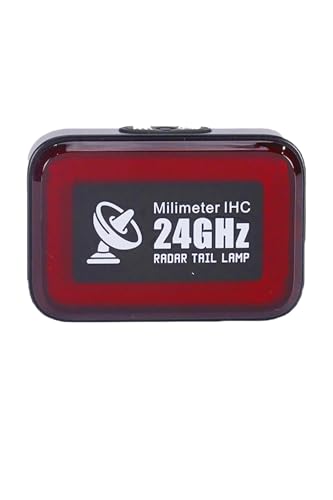
- Audio and flashing alerts for vehicles within 60m
- Brake sensing with five lighting modes
- Seatpost and saddle-rail mounting included
Best For: Beginners wanting a self-contained radar warning light
Best Overall – Garmin Varia RTL515
For beginners comparing cycling radar systems for beginners, the Garmin Varia RTL515 is a well-rounded option with rear-vehicle detection, clear alerts, and an integrated tail light. It detects approaching vehicles up to 153 yards away and can pair with compatible Garmin devices, smartphones, wearables, and radar displays.
Best For: New riders who want a proven radar and light combination with broad Garmin and smartphone compatibility.
Pros:
- Detects approaching vehicles up to 153 yards away.
- Provides visual, audible, tone, and vibration alerts through compatible devices.
- Offers daylight visibility up to 1 mile and up to 16 hours in day-flash mode.
- Compact vertical design and group-friendly Peloton mode.
Cons:
- Battery life drops to up to 6 hours in solid mode.
- Some alert features require a compatible smartphone, bike computer, or wearable.
The RTL515 is a practical starting point for riders who want established device support and a simple rear-light radar setup. Its main advantage is flexibility across Garmin equipment and compatible smartphone apps.
Best Battery Life – iGPSPORT SR mini Radar Tail Light
The iGPSPORT SR mini is a beginner-friendly choice among cycling radar systems for beginners, combining rear-vehicle detection with a bright tail light and simple USB-C charging. Its radar monitors vehicles up to 160 meters away, tracks up to eight vehicles, and works with compatible iGPSPORT, Garmin, Wahoo, and Bryton devices.
Best For: Commuters and recreational riders who prioritize long runtime, multiple light modes, and wide device compatibility.
Pros:
- Detects vehicles up to 160 meters away with a 45-degree detection angle.
- Tracks up to eight approaching vehicles simultaneously.
- Provides up to 20 hours in light mode or 25 hours in radar-only mode.
- Includes braking brightness adjustment, automatic sleep/wake, and USB-C charging.
Cons:
- Alerts require pairing with a compatible bike computer or device.
- Its feature set may be most convenient for riders already using supported computers.
With its long claimed battery life and broad radar-protocol compatibility, the SR mini is easy to shortlist for frequent riders. The multiple lighting modes also make it adaptable to commuting, night riding, and group rides.
Best Bundle – Garmin Varia RTL515 With Multi-Tool
This Garmin Varia bundle suits shoppers exploring cycling radar systems for beginners who also want a basic roadside repair tool. The included RTL515 provides rear-vehicle awareness up to 153 yards, while the Wearable4U 16-in-1 cycling multi-tool adds practical maintenance capability for common adjustments.
Best For: New cyclists who want radar safety equipment and a compact maintenance tool in one purchase.
Pros:
- Includes the Garmin Varia RTL515 and a Wearable4U 16-in-1 cycling multi-tool.
- Provides visual and audible alerts for vehicles approaching from behind.
- Offers up to 16 hours in day-flash mode and visibility up to 1 mile.
- Supports group riding with a low-intensity Peloton light mode.
Cons:
- The bundle’s radar features still depend on compatible Garmin devices, smartphones, or displays.
- Battery life is listed at up to 6 hours in solid mode.
- The multi-tool adds value only if you need basic bike maintenance equipment.
This package is appealing when a beginner needs both rear visibility and basic repair gear. The radar itself retains the RTL515’s established range and alert options, while the multi-tool makes the bundle more useful for rides away from home.
Best Weather Protection – RAVEMEN NT201 Radar Tail Light
The RAVEMEN NT201 is a practical option for riders comparing cycling radar systems for beginners and wanting weather-resistant equipment. It detects rear vehicles up to 140 meters away, sends alerts through compatible ANT+ cycling computers, and combines radar with an 80-lumen tail light and automatic brake illumination.
Best For: Commuters and road riders who need a weatherproof radar light with flexible mounting and long light-mode runtime.
Pros:
- Monitors rear vehicles up to 140 meters away.
- Works with cycling computers supporting ANT+ radar without requiring a complicated app.
- Offers up to 23 hours in slow-flashing mode and 16 hours in the brightest warning-flash mode.
- Includes dynamic brake lighting, motion-based sleep/wake, IPX6 water resistance, and seatpost or saddle-rail mounting.
Cons:
- Visual and audible alerts require a compatible ANT+ cycling computer.
- Mounting is limited to round or aero seatposts no more than 4.5 cm wide, or saddle rails.
The NT201 stands out for riders who expect wet conditions and want radar without relying on a dedicated app. Its ANT+ support, automatic brake flash, and adaptable mounting make it a useful fit for everyday road riding.
Premium Camera Radar – Garmin Varia RCT715
For beginners comparing cycling radar systems for beginners, the Garmin Varia RCT715 combines rear-vehicle detection, a tail light, and a built-in camera. It detects approaching vehicles up to 153 yards away and can record 1080p video, while the Varia app or compatible Garmin devices provide alerts and camera control.
Best For: Riders who want radar awareness plus incident-recording video in one rear-mounted device.
Pros:
- Detects vehicles approaching from behind up to 153 yards away.
- Built-in camera records at 1080p or 720p and can automatically save incident footage.
- Includes a 16 GB SD card and offers multiple operating modes for battery management.
- Works with the Varia app, select Edge computers, and compatible Garmin wearables.
Cons:
- Camera recording reduces battery life, with up to four hours in some listed configurations.
- Camera use may be regulated or prohibited in some jurisdictions.
- Its broader feature set may be more than beginners need if they only want radar and lighting.
The RCT715 is a feature-rich choice for riders who value documentation as much as vehicle alerts. Its camera and Garmin integration add capability, but users should check local privacy rules and select a battery mode that fits their ride length.
Connected Radar Tail Light – Wahoo TRACKR Radar
The Wahoo TRACKR is a straightforward option for beginners exploring cycling radar systems for beginners, pairing rear-vehicle detection with an adaptive tail light. It detects cars up to 150 meters behind and sends alerts to compatible ELEMNT computers, bike computers, fitness watches, or the Wahoo App.
Best For: Riders already using Wahoo ELEMNT equipment who want integrated radar and lighting.
Pros:
- Detects approaching vehicles up to 150 meters behind.
- Combines radar, adaptive lighting, and braking-based light increases.
- Remembers the last-used light mode between rides.
- Battery Extender Mode reduces brightness when no vehicle is detected.
Cons:
- The notes do not specify a maximum battery runtime.
- Its alert and control features are most useful with compatible connected devices or the Wahoo App.
- Some settings may need to be adjusted for regional traffic regulations.
The TRACKR is a practical middle ground for riders who want radar without a camera. Its Wahoo and ANT+ connectivity can make alerts and light control convenient, especially for cyclists already using compatible equipment.
App-Free Alert Radar – RT02 Bike Radar Tail Light
For beginners who prefer a simple setup, the RT02 is one of the more self-contained cycling radar systems for beginners. It requires no app or phone connection, detects vehicles up to 70 meters away, and adds a rapid flash and alarm when a vehicle reaches about 10 meters.
Best For: Commuters and new riders who want standalone radar alerts, brake sensing, and a longer listed runtime.
Pros:
- Works without an app or phone connection.
- Provides vehicle monitoring up to 70 meters and an alert at about 10 meters.
- Includes brake sensing, multiple light patterns, and group-ride filtering.
- Offers up to 7.5 hours of runtime, IP64 water resistance, and seat-post and saddle-rail mounts.
Cons:
- Its 70-meter detection range is shorter than the ranges listed for the Garmin and Wahoo options.
- The product notes do not mention integration with bike computers or fitness watches.
- The audible alert may not suit every rider or riding environment.
The RT02 focuses on independent operation rather than connected-device features. Its brake warning, group-ride mode, and 7.5-hour maximum battery claim make it a sensible option for riders prioritizing ease of use and visible, audible alerts.
Best Value Starter – COOSPO TR70 Radar Tail Light
For beginners comparing cycling radar systems for beginners, the COOSPO TR70 is a practical all-in-one option. It combines vehicle detection with a 70-lumen tail light, brake sensing, app support, and compatibility with select Garmin cycling computers.
Best For: New road, MTB, and commuter cyclists who want radar and lighting in one easy-to-mount device.
Pros:
- Detects approaching vehicles from up to 140 meters and can display distance and speed through compatible devices.
- Includes multiple lighting modes, automatic brake highlighting, and 220-degree visibility.
- Offers up to 40 hours of battery life, USB-C charging, IPX7 waterproofing, and a tool-free mount.
Cons:
- Requires initial charging for activation, and the instructions advise avoiding fast charging.
- Radar display features depend on pairing with compatible Garmin or COOSPO devices or the app.
The TR70 keeps setup simple by combining two useful safety accessories in one unit. Its long claimed runtime and broad compatibility make it an approachable starting point for riders who do not want a separate radar and tail light.
Premium Complete Kit – Garmin Varia RearVue 820 Bundle
Among cycling radar systems for beginners, this Garmin bundle offers the most complete setup. It pairs a Varia RearVue 820 radar tail light with an Edge 1050 cycling computer, providing a ready-made system for riders who want radar alerts and a dedicated display.
Best For: Beginners who prefer a premium Garmin ecosystem for commuting, road riding, endurance cycling, and training.
Pros:
- Tracks approaching vehicles from up to 175 meters and can identify multiple vehicles.
- Tail light visibility is rated up to 2 kilometers, with automatic brake-light signaling.
- Edge 1050 supports visual and audible alerts, while the bundle includes mounting and charging accessories.
Cons:
- It is considerably more equipment than a radar light alone, including a 2.1-pound cycling computer bundle.
- Battery life is listed at up to 24 hours in day-flash mode, shorter than some simpler options.
- The most detailed alert information depends on compatible Garmin devices or the Varia app.
This is the strongest choice for beginners who want a full cycling computer and radar package rather than a standalone light. Its wider detection range and integrated Garmin display provide a more comprehensive introduction to rear-traffic awareness, though the bundle is likely excessive for casual riders.
Best Standalone Alert – 24GHz Radar Tail Light
For riders researching cycling radar systems for beginners without a separate cycling computer, this standalone radar tail light offers direct audio and visual alerts. Its 24GHz radar detects vehicles within 60 meters, while brake sensing and multiple light modes add extra visibility.
Best For: Budget-conscious beginners who want self-contained radar warnings for commuting, road rides, or MTB use.
Pros:
- Provides dual-tone audio alerts and rapid flashing when approaching vehicles are detected.
- Includes brake sensing, five lighting modes, vibration wake-up, and 500-meter light visibility.
- Comes with seatpost and saddle-rail mounts and supports USB-C charging.
Cons:
- Its 60-meter sensing range is shorter than the other listed radar systems.
- Claimed runtime is 3–6 hours, requiring more frequent charging.
- IP64 protection and a six-month warranty provide less coverage than the TR70.
This model is a straightforward entry point for cyclists who want audible warnings without relying on a phone or cycling computer. The shorter detection range and limited battery life are trade-offs, but the compact design and direct alerts keep the learning curve low.
How We Picked the Best Cycling Radar Systems for Beginners
We focused on the features that matter most to new radar users: vehicle-detection range, alert clarity, tail-light visibility, battery expectations, mounting practicality, and compatibility with phones or cycling computers. We also included several styles, from established Garmin and Wahoo models to more affordable radar-light combinations, so beginners can compare proven ecosystems with lower-cost alternatives.
Radar performance depends on road layout, traffic, weather, mounting angle, and device compatibility. Treat the stated range and battery figures as useful benchmarks rather than guarantees, and check the current specifications before buying.
Quick Comparison
| Best For | Look For | Typical Advantage |
|---|---|---|
| First-time radar users | Simple visual and audible alerts | Less setup and easier learning |
| Riders using a bike computer | ANT+ or compatible computer support | Alerts appear in your normal riding view |
| Phone-first riders | Bluetooth and companion-app support | Lower barrier to entry |
| Commuters | Long battery life and bright lighting | Fewer charging concerns |
| Evidence-conscious riders | Integrated rear camera | Video recording in addition to radar |
Key Buying Factors for Cycling Radar Systems for Beginners
Detection and Alert Design
Choose a unit that gives you an unmistakable alert without encouraging constant shoulder-checking or screen watching. Audible alerts can help on quiet roads, while visual indicators are useful in traffic or when wearing headphones-free hearing protection. A radar light may track multiple approaching vehicles, but it cannot replace awareness or safe lane positioning.
Compatibility
Before buying, confirm whether the radar works with your phone, cycling computer, smartwatch, or preferred navigation display. ANT+ compatibility is especially useful for many bike computers, while Bluetooth and app support matter if your phone is the main display. A standalone light can still be useful, but the alert experience may be more limited without a compatible screen.
Light Output and Mounting
Radar works best when the device is mounted centrally, facing straight back, and kept clear of bags or seat posts. Compare brightness modes, visibility angles, brake-light behavior, and the included mount. A secure mount is important because a tilted radar can reduce detection reliability.
Battery and Charging
Consider your longest typical ride, not just the advertised maximum runtime. Frequent commuters may prefer a longer-lasting model, while weekend riders may value faster charging or a simple USB connection. Camera-equipped units generally require more power than radar-and-light models.
Who Should Buy Which Cycling Radar Systems for Beginners?
Choose a straightforward radar tail light if you are new to Cycling Radar Systems for Beginners and want dependable rear-vehicle alerts with minimal learning. These models are generally the easiest starting point for road riding and commuting.
Choose a Garmin or Wahoo ecosystem model if you already use a compatible cycling computer or want polished device integration. Paying more can make sense when clear on-screen alerts, established accessories, and broad ecosystem support matter.
Choose a camera-equipped radar if recording traffic interactions is a priority and you accept additional cost, storage management, and charging requirements.
Choose a budget radar light if you want to test the concept before investing in premium equipment. Verify independent compatibility, mounting quality, warranty coverage, and the seller’s return policy, since lower-cost specifications and app support can vary.
