
Rear-approaching traffic is one of the biggest concerns for road cyclists, commuters, and e-bike riders. A cycling radar system can provide earlier warning than a mirror alone while also improving your visibility to drivers.
These 10 options range from affordable radar tail lights to compact radar sensors and established Garmin, Wahoo, and COOSPO models. Compare detection distance, app and head-unit support, battery life, and lighting features before you buy.
Best 10 Budget Cycling Radar Systems Picks for 2026
Best Budget Radar Tail Light

- Combines radar and 70-lumen tail light
- Up to 40-hour battery life
- IPX7 waterproof with quick-release mount
Best For: Cyclists wanting an all-in-one radar and light
Best Budget Ride Sensor
CYCPLUS Speed & Cadence Sensor

- Switches between speed and cadence modes
- Bluetooth and ANT+ connectivity
- 300-hour battery with tool-free installation
Best For: Cyclists tracking speed or cadence on a budget
Best eBike Radar Light

- Detects vehicles up to 140 meters behind
- Tail light visible up to one mile in daylight
- Powered directly by a compatible eBike
Best For: eBike riders wanting radar without a separate battery
Best Car Radar Detector

- 360-degree radar and laser awareness
- GPS-based filtering for fewer false alerts
- Includes connected driver alerts and display support
Best For: Drivers seeking a vehicle radar detector, not bike radar
Best Overall

- Radar detects vehicles up to 153 yards away
- Built-in tail light with up to 16-hour day-flash battery life
- Works with compatible Garmin devices, phones, and select apps
Best For: Riders wanting radar detection and a tail light together
Best Value

- Works independently without an app or phone
- Adds brake sensing and group ride mode
- Offers 70-meter detection and up to 7.5 hours of runtime
Best For: Commuters wanting a simple standalone radar light
Best Compact Radar

- Detects vehicles up to 153 yards away
- Radar-only design pairs with compatible devices and apps
- Lightweight 1.76-ounce body with up to 8-hour battery life
Best For: Riders who already own a separate tail light
Best Value Radar Light
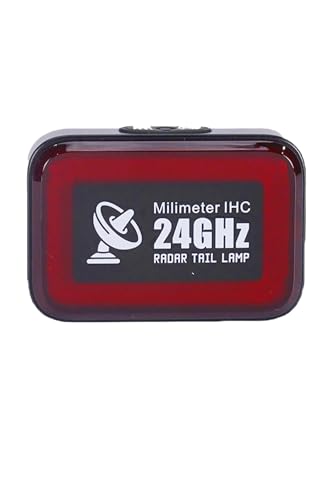
- 60m radar detection with audio and flashing alerts
- Brake sensing and 500m tail-light visibility
- Five modes, vibration wake-up, and dual mounting
Best For: Budget-conscious commuters and recreational riders
Best Connected Option

- Detects vehicles from up to 150m away
- Integrates with ELEMNT, compatible computers, and watches
- Adaptive lighting, brake light, and battery-extender mode
Best For: Wahoo-connected riders seeking integrated alerts
Best Long-Range Pick
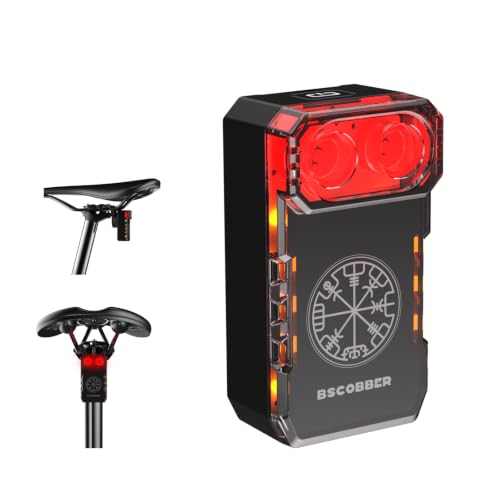
- 140m vehicle detection with Garmin, Wahoo, app, or beep alerts
- 220-degree visibility and automatic 120-lumen brake brightness
- Up to 25-hour runtime with USB-C charging
Best For: Long rides and riders prioritizing maximum runtime
Best Budget Radar Tail Light – COOSPO TR70
For riders comparing budget cycling radar systems, the COOSPO TR70 is an all-in-one option that combines rear-vehicle alerts with a 70-lumen tail light. It detects approaching vehicles up to 140 meters away, supports Garmin and app displays, and adds automatic brake highlighting for extra visibility.
Best For: Road, mountain, and commuter cyclists who want radar and lighting in one weatherproof unit.
Pros:
- Radar detection, tail light, and brake highlighting in one device
- Up to 40 hours of battery life with USB-C charging
- IPX7 waterproof design and a quick-release mount
Cons:
- Requires charging, and the first use requires activation by charging
- Fast charging should be avoided
- Radar display compatibility depends on a Garmin computer, compatible COOSPO device, or the COOSPORIDE app
The TR70 is a practical value pick when you want to minimize cockpit clutter. Its long runtime, broad visibility, and compatibility options make it a strong starting point among budget cycling radar systems.
Best Budget Ride Sensor – CYCPLUS Speed & Cadence Sensor
If your priority is tracking speed or cadence rather than detecting traffic, the CYCPLUS sensor is a low-cost companion for cycling computers and apps. It supports both Bluetooth and ANT+, making it useful for riders building a data-focused setup alongside budget cycling radar systems.
Best For: Cyclists who need compact speed or cadence data from a single, easy-to-move sensor.
Pros:
- Switches between speed and cadence modes
- Supports both Bluetooth and ANT+ connections
- Compact, tool-free installation with up to 300 hours of battery life
Cons:
- It is a speed/cadence sensor, not a vehicle-detection radar
- Only one sensor is included, so it cannot measure speed and cadence simultaneously
- Requires mounting to the wheel hub or crank depending on the selected mode
The CYCPLUS does not replace a rearview radar, but it can complement one by adding reliable ride metrics without much weight or visual bulk. Its dual-protocol connectivity also helps it fit into varied cycling setups.
Best eBike Radar Light – Garmin Varia eRTL615
For eBike riders seeking a dependable upgrade among budget cycling radar systems, the Garmin Varia eRTL615 pairs rearview radar with a daylight-visible tail light. It detects vehicles from up to 140 meters away and draws power directly from a compatible eBike, so there is no separate light battery to recharge.
Best For: eBike commuters and touring riders already using compatible Garmin, Wahoo, Hammerhead, Bryton, or smartphone devices.
Pros:
- Radar alerts for vehicles approaching from behind up to 140 meters
- Tail light visibility rated up to one mile in daylight
- eBike-powered design with IPX7 water resistance
Cons:
- Designed for eBikes and requires a compatible Garmin cable
- Its advanced device compatibility may be more than casual riders need
- It does not use a rechargeable battery as a standalone light
The eRTL615 is best viewed as a convenient integrated eBike safety accessory rather than a universal cycling light. Its direct-power design is especially useful for riders who prefer not to manage another charging routine.
Best Car Radar Detector – Escort Redline 360c
The Escort Redline 360c is not a bicycle radar system, but it may appear in broad searches for budget cycling radar systems because it is a vehicle-mounted radar detector. It is designed to detect radar and laser signals around a car, with GPS filtering, connected alerts, and Apple CarPlay and Android Auto support.
Best For: Drivers seeking broad radar-detector coverage for a vehicle, not cyclists looking for rear-approach traffic alerts.
Pros:
- 360-degree directional awareness and extreme detection range
- GPS Autolearn and IVT filtering help reduce false alerts
- Includes Wi-Fi, connected community alerts, and vehicle-display compatibility
Cons:
- It is a car radar detector, not a bicycle rearview radar
- Requires 12-volt DC vehicle power
- Its features and price positioning may not suit budget-focused buyers
Choose this model only if your goal is monitoring radar and laser signals while driving. For cycling safety, a dedicated bike radar tail light such as the COOSPO or Garmin option is the more relevant category.
Best Overall – Garmin Varia RTL515
For riders comparing budget cycling radar systems, the Garmin Varia RTL515 is a well-rounded option that combines rear-vehicle detection with a built-in tail light. It detects vehicles up to 153 yards away, works with compatible phones, Edge computers, and select Garmin wearables, and offers up to 16 hours of runtime in day-flash mode.
Best For: Cyclists who want radar alerts and a highly visible rear light in one compact unit.
Pros:
- Detects approaching vehicles up to 153 yards away.
- Includes a tail light with daylight visibility up to 1 mile.
- Supports smartphone, Garmin Edge, wearable, and select third-party app integration.
- Offers up to 16 hours of battery life in day-flash mode.
Cons:
- Battery life drops to up to 6 hours in solid mode.
- Its broader compatibility features are most useful with supported Garmin or smartphone devices.
The RTL515 is a strong all-in-one choice when visibility and flexible alert options matter. Peloton mode and its compact vertical design also make it practical for group rides and everyday road cycling.
Best Value – RT02 Bike Radar Tail Light
The RT02 is a budget-focused cycling radar system for riders who want a self-contained safety light without relying on a phone or bike computer. Its millimeter-wave radar monitors vehicles up to 70 meters away, while the light increases brightness and sounds an alert as a vehicle approaches within 10 meters.
Best For: Commuters and group riders seeking an independent radar tail light with brake sensing.
Pros:
- Requires no app or phone connection.
- Combines vehicle detection, sound alerts, brake sensing, and a rear light.
- Includes group ride mode designed to reduce alerts from teammates traveling at the same speed.
- Provides up to 7.5 hours of runtime and IP64 water resistance.
Cons:
- Its 70-meter detection range is shorter than the 140-meter range of the Garmin units here.
- It offers fewer listed connectivity options for cycling computers and navigation apps.
With automatic lighting, braking alerts, dual mounting options, and a 1-year warranty, the RT02 emphasizes straightforward operation. It is particularly appealing if you prefer radar feedback directly from the light rather than through a connected device.
Best Compact Radar – Garmin Varia RVR315
For riders who already have a tail light and want a dedicated radar unit, the Garmin Varia RVR315 keeps the setup compact. It detects vehicles approaching from up to 153 yards away and sends visual and audible alerts through a compatible smartphone, Garmin device, or radar display unit.
Best For: Cyclists who want radar alerts without adding another rear light.
Pros:
- Provides awareness of approaching vehicles up to 153 yards away.
- Pairs with compatible smartphones, Edge computers, select Garmin wearables, and the radar display unit.
- Works with supported third-party apps such as Ride with GPS.
- Compact vertical design and lightweight 1.76-ounce construction suit road bikes.
Cons:
- Does not include a built-in tail light.
- Battery life is rated for up to 8 hours.
- Alerts and app features require compatible connected devices.
The RVR315 is a focused choice for riders who prioritize vehicle awareness and already use a separate rear light. Its Garmin ecosystem support makes it especially useful for cyclists with compatible computers or wearables.
Best Value Radar Light – 24GHz Active-Alert Tail Light
For shoppers comparing budget cycling radar systems, this model combines rear-vehicle detection, audible and visual alerts, brake sensing, and a bright tail light in one compact unit. Its 60-meter sensing range, five light modes, and tool-free mounting suit everyday road, MTB, and e-bike use.
Best For: Riders who want an affordable all-in-one radar and brake-sensing light for commuting, night rides, or group cycling.
Pros:
- 24GHz radar provides alerts for approaching vehicles up to 60 meters away.
- Brake sensing and 500-meter visibility add extra rear warning capability.
- Includes seatpost and saddle-rail mounts, with vibration wake-up to help conserve power.
Cons:
- Advertised runtime is approximately 3–6 hours, which is shorter than some long-distance options.
- IP64 protection is suitable for rain and dust but is less robust than higher-rated waterproof designs.
This is a practical entry-level choice when you want radar-assisted awareness without adding a separate radar unit and tail light. The shorter battery runtime makes regular USB-C charging important for frequent riders.
Best Connected Option – Wahoo TRACKR Radar Tail Light
The Wahoo TRACKR is a strong contender among budget cycling radar systems for riders already using connected cycling equipment. It detects vehicles up to 150 meters behind and sends notifications to compatible ELEMNT computers, bike computers, and fitness watches while also functioning as an adaptive tail light.
Best For: Cyclists who want radar alerts integrated with Wahoo ELEMNT devices, compatible computers, or fitness watches.
Pros:
- Provides vehicle detection up to 150 meters behind the rider.
- Offers adaptive lighting, brake-light intensification, and a quick alert flash pattern.
- Supports Wahoo App customization and ANT+ smart-light control.
Cons:
- Its most seamless alert experience depends on compatible connected devices.
- The supplied notes do not specify a numeric battery-runtime figure.
Choose the TRACKR when app and bike-computer integration matter more than standalone audible alerts. Its battery-extender mode and remembered light setting are useful features for longer, repeat rides.
Best Long-Range Pick – 140M Smart-Brake Radar Light
Among budget cycling radar systems, this model stands out for its long 140-meter detection range and broad 220-degree visibility. It can relay alerts through Garmin and Wahoo computers, its app, or an audible beep, while automatic brake brightness and a claimed 25-hour runtime support longer rides.
Best For: Long-distance commuters, road riders, and groups that prioritize extended runtime, wide visibility, and device compatibility.
Pros:
- Detects approaching vehicles up to 140 meters away.
- Offers Garmin, Wahoo, app, and audible alert options.
- Combines 220-degree visibility, automatic 120-lumen brake brightness, USB-C charging, and up to 25 hours of runtime.
Cons:
- Some advanced features, including alerts and GroupSync, rely on the app or compatible devices.
- The supplied notes do not identify the specific Garmin or Wahoo device models supported.
This is the most endurance-focused option in the group, especially for riders who dislike frequent charging. Its IPX6 rating and tool-free strap mount also make it well suited to demanding commutes and wet-weather rides.
How We Picked These Budget Cycling Radar Systems
We focused on products that combine rear-vehicle detection with practical cycling features such as a tail light, audible or visual alerts, brake sensing, or compatibility with common bike computers and smartphone apps. The list includes dedicated radar units, radar-equipped lights, and lower-cost alternatives so different riders can match performance to their budget.
We also considered stated detection range, wireless standards, weather resistance, charging expectations, mounting practicality, and whether a product is designed for road cycling, commuting, e-bike use, or mixed riding. Manufacturer claims can vary with traffic, terrain, weather, and rider position, so treat range figures as maximum guidance rather than guaranteed real-world distance.
Quick Comparison
| Feature | What to compare | Why it matters |
|---|---|---|
| Detection range | Approximately 70–200 yards or equivalent | More range can provide earlier awareness on open roads. |
| Alert method | Phone app, bike computer, watch, or built-in indicator | Choose an alert you can notice without taking your eyes off traffic. |
| Lighting | Brightness, flash patterns, and brake detection | A radar light can improve both awareness and rear visibility. |
| Connectivity | Bluetooth, ANT+, Garmin, Wahoo, or proprietary apps | Compatibility determines whether alerts appear on your existing devices. |
| Battery | Claimed runtime and charging method | Longer runtime reduces charging and mid-ride maintenance. |
Key Buying Factors for Budget Cycling Radar Systems
Radar Range and Traffic Conditions
Longer advertised range is useful on straight roads, but curves, hills, parked vehicles, and heavy traffic can affect detection. A reliable alert system should supplement—not replace—shoulder checks, mirrors, and safe lane positioning.
Compatibility and Alert Clarity
Check whether the radar pairs with your phone, cycling computer, smartwatch, or navigation device. ANT+ and Bluetooth support can be especially useful if you already use a compatible head unit. Built-in visual or audible alerts may be more convenient for riders without a bike computer.
Tail-Light Performance
Look beyond radar specifications. Compare visibility from the rear, daytime flash modes, side visibility, automatic brake illumination, and whether the light can run while radar detection is active.
Battery, Weather Resistance, and Mounting
Verify claimed runtime for the mode you will actually use, along with charging time and battery indicators. An IP rating is valuable for regular commuters. Also confirm that the included mount fits your seatpost, saddle bag, rack, or e-bike configuration.
Who Should Buy Which Budget Cycling Radar Systems?
- Best for integrated safety: Choose a radar tail light with brake sensing and multiple flash modes if you want one device to handle detection and visibility.
- Best for existing bike-computer users: Select a Garmin, Wahoo, or ANT+/Bluetooth-compatible radar that can place alerts directly on your head unit.
- Best for simple commuting: Look for a self-contained model with clear built-in alerts, dependable weather resistance, and easy USB charging.
- Best for e-bike riders: Consider an e-bike-compatible radar light and confirm mounting, power, and device-pairing requirements before purchase.
- Best for the lowest cost: A basic radar tail light may provide useful vehicle warnings, but carefully verify app support, detection behavior, warranty coverage, and independent user feedback.
