
If your ride includes rain, spray, or muddy trails, the right pack keeps your essentials dry without throwing off your balance. A good waterproof cycling backpack should feel secure, stay comfortable in motion, and offer the storage you actually use.
Below, we’ve narrowed the field to 10 options that balance weather protection, riding comfort, and practical everyday carry.
Best 10 Waterproof Cycling Backpack Picks for 2026
Trail-Ready Lightweight Pick
Hiking Daypack Waterproof Biking Backpack 15L

- 15L daypack with 5 zippered locations and helmet storage
- Water-resistant ripstop with insulated pocket and ventilation
- Reflective logo, whistle, and adjustable padded straps
Best For: Day cyclists and hikers who want a compact, splash-resistant pack with safety features
Ultralight Roll-Top Option
Osprey Ultralight 20L Dry Stuff Pack

- Roll-top IPX5 waterproof closure with coated seams
- Extremely lightweight at 0.43 lb
- Mesh straps plus side stretch pockets for simple carry
Best For: Traveling riders and commuters who prioritize waterproof storage over cycling-specific features
Bike-Focused Value Pick
15L Cycling Backpack with Helmet Buckle

- Helmet buckle, open compartment, and hydration sleeve
- Reflective strips plus emergency whistle for safety
- Lightweight 15L build with foam back panel and waist belt
Best For: Cyclists needing a compact, organized daypack with helmet storage
Waterproof Dry-Bag Alternative
Piscifun Dry Bag Floating Backpack
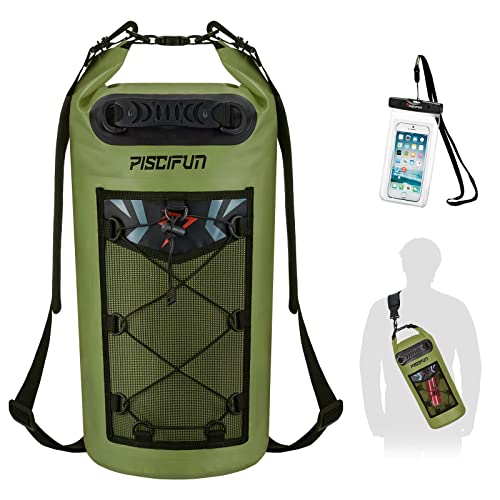
- 500D PVC with fully welded waterproof sealing
- Floats when rolled and buckled
- Includes IPX8 waterproof phone case
Best For: Wet adventures where true waterproof protection matters more than cycling-specific storage
Rain-Ready Commuter Pick
Osprey Metron 24L Commuter Bike Backpack
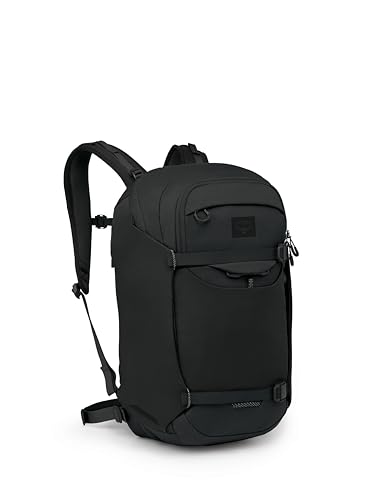
- Hi-Vis raincover for dependable water resistance
- Separate compartment for clothes or shoes
- Bike-specific features like LidLock and reflective details
Best For: Daily bike commuters who need work-ready organization
Fully Waterproof Adventure Option
Breakwater Supply Fogland Lite 15L

- 100% waterproof and fully submersible build
- Two airtight compartments for wet-weather access
- Laptop sleeve plus durable TPU construction
Best For: Heavy-rain riders and wet-environment commuters
Waterproof Roll-Top Commuter
Osprey Metron 25L Waterproof Bike Backpack

- Waterproof roll-top build with welded seams
- Removable padded sleeve fits most 16-inch laptops
- Reflective details and bike-specific commuter features
Best For: Commuters wanting waterproof protection and laptop storage
Lightweight Hydration Pick
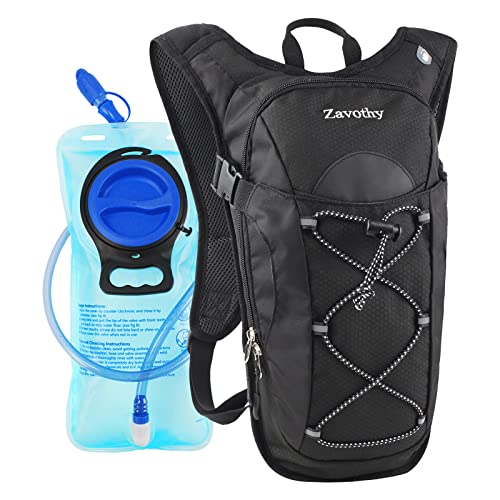
- Includes a BPA-free 2L bladder
- Lightweight waterproof oxford fabric
- Breathable back and adjustable straps
Best For: Short cycling, running, and hiking trips
Roll-Top Dry Bag Option
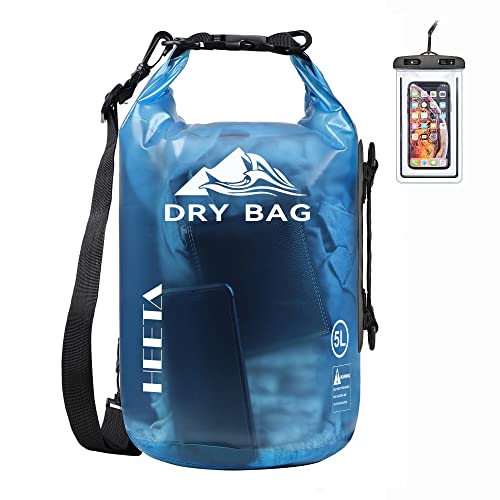
- Seamless PVC construction for wet conditions
- Roll-top closure and adjustable straps
- Includes a waterproof phone case
Best For: Wet-weather outings and water sports
Reflective Commuter Pick
Oumurs 35L Water-Resistant Backpack

- Water-resistant Oxford cloth with waterproof zippers
- Large 35L capacity with two compartments
- Reflective details improve night visibility
Best For: Commuting cyclists carrying gear or electronics
Trail-Ready Lightweight Pick – Hiking Daypack Waterproof Biking Backpack 15L
If you want a waterproof cycling backpack for short rides and active days, this 15L pack focuses on light weight, organized storage, and safety features. It uses water-resistant ripstop fabric, padded straps, and a ventilated back panel, so it is built more for splash protection and comfort than full submersion.
Best For: Day cyclists, hikers, and riders who want a compact pack with helmet storage and reflective safety details.
Pros:
- 15L size with multiple pockets, including waist zipper pockets and mesh side pockets
- Insulated pocket helps keep water cool for 2 to 4 hours
- Very lightweight with padded, adjustable shoulder, chest, and waist straps
- Reflective details, luminous logo, and emergency whistle improve visibility and safety
Cons:
- Only splash proof, so it is not meant for immersion or heavy water exposure
- Hydration bladder is not included
- Best suited to day use rather than large gear loads
This is a practical choice if you want a compact cycling pack that balances comfort, safety, and basic water resistance. It is especially appealing for riders who also hike, run, or snow sport and want one lightweight bag for multiple activities.
Ultralight Roll-Top Option – Osprey Ultralight 20L Dry Stuff Pack
For a waterproof cycling backpack style bag that leans into weather protection and low weight, this 20L Osprey dry pack is built around a roll-top IPX5 waterproof closure and coated fabric seams. It is a simple carry option for keeping contents dry on travel days, though its design is more about waterproof storage than bike-specific features.
Best For: Riders who want a lightweight waterproof pack for travel, commute overflow, or day trips where keeping gear dry matters most.
Pros:
- Roll-top IPX5 waterproof, non-submersible closure
- Waterproof-coated fabric and seams for added protection
- Very light at 0.43 lb with comfortable mesh shoulder straps
- Side stretch pockets add quick-access storage
Cons:
- Not a bike-specific pack with helmet carry or cycling safety features
- Only one main compartment, so organization is limited
- Non-submersible design means it is not meant for full water exposure
This pack makes sense if waterproofing and packability are more important than bike-focused storage. It is a clean, ultralight option for riders who want a dry bag style backpack that can also work for travel.
Bike-Focused Value Pick – 15L Cycling Backpack with Helmet Buckle
This waterproof cycling backpack is built for riders who want a small, practical day pack with helmet carry and hydration compatibility. At 15L, it stays compact while still offering multiple pockets, reflective details, and a comfortable support system for MTB rides, hiking, and general outdoor use.
Best For: Cyclists who need a lightweight daypack with helmet storage, organization, and visibility features.
Pros:
- Front buckle and open compartment secure a helmet for rides
- Hydration reservoir sleeve with tube exit port for easy water access
- Reflective strips and emergency whistle support low-light safety
- Mesh shoulder straps, 3D foam back panel, chest strap, and waist belt improve carry comfort
Cons:
- Water resistance is not the same as full waterproof submersion protection
- Hydration reservoir is not included
- 15L capacity may be small for riders carrying extra layers or bulky gear
Overall, this is one of the most purpose-built choices for cycling. It combines helmet storage, hydration routing, and rider-friendly comfort features in a compact package that works well for short to moderate adventures.
Waterproof Dry-Bag Alternative – Piscifun Dry Bag Floating Backpack
If your priority is maximum waterproof protection rather than cycling-specific features, this floating dry bag is a strong alternative to a waterproof cycling backpack. Its welded PVC construction, roll-and-buckle style sealing, and included waterproof phone case make it especially useful for wet outdoor activities and gear that must stay dry.
Best For: Water-heavy adventures where waterproofing and flotation matter more than bike-specific organization.
Pros:
- 500D PVC construction with fully welded waterproof sealing
- Floats on water when rolled and buckled
- Includes an IPX8 waterproof phone case for devices up to 6.5 inches
- Adjustable double shoulder straps help keep the bag secure
Cons:
- Not designed as a bike-specific backpack with cycling storage features
- Basic one-compartment layout limits organization
- Heavier-duty waterproof build is less focused on ventilation and ride comfort
This is the best pick in the group if wet conditions are the main concern. It is more of a true dry bag backpack than a cycling pack, but it brings strong waterproof performance for trips where keeping gear dry is the top priority.
Rain-Ready Commuter Pick – Osprey Metron 24L Commuter Bike Backpack
If you want a waterproof cycling backpack for daily commuting that balances weather protection with work-friendly organization, the Osprey Metron 24L is built for that routine. It pairs a Hi-Vis raincover with bike-specific details like a LidLock helmet carry, reflective accents, and a separate compartment for shoes or work clothes.
Best For: Riders who commute by bike in changing weather and need organized storage for office gear.
Pros:
- Included Hi-Vis raincover adds dependable water resistance.
- Separate internal J-zip compartment helps keep clothes or shoes apart from work items.
- Fits most 16-inch laptops in the internal sleeve.
- Bike-specific touches include glove-friendly buckles, bottle pocket, and reflective details.
Cons:
- Water resistance relies on the included raincover rather than a fully waterproof build.
- At about 2.5 pounds, it is heavier than simpler commuter packs.
- Single main compartment layout may feel less segmented than some office backpacks.
Overall, this is a smart choice if you want a commute-first pack with practical bike features and solid weather backup. It is less about full submersion protection and more about making everyday riding in rain or shine easier.
Fully Waterproof Adventure Option – Breakwater Supply Fogland Lite 15L
For anyone looking for a waterproof cycling backpack that can handle truly wet conditions, the Breakwater Supply Fogland Lite is built like a dry bag with backpack straps. It is described as 100% waterproof and fully submersible, with welded seams, airtight zippers, and a TPU shell made for harsh weather and outdoor use.
Best For: Cyclists who ride in heavy rain or want maximum protection for electronics and essentials.
Pros:
- 100% waterproof and fully submersible design.
- Two airtight compartments, including a quick-access front pocket.
- Laptop sleeve adds everyday usefulness for commuting or travel.
- Durable build with welded seams, weatherproof straps, and non-corrosive hardware.
Cons:
- 15L capacity is smaller than many commuter backpacks.
- Dry-bag style TPU construction is more utilitarian than office-friendly.
- Limited pocket count may not suit riders who like lots of organization.
This is the strongest pick here for absolute water protection, but the tradeoff is a smaller, more adventure-oriented layout. If keeping gear dry is the priority, it is hard to beat.
Waterproof Roll-Top Commuter – Osprey Metron 25L Waterproof Bike Backpack
If you want a waterproof cycling backpack with a cleaner roll-top design, the Osprey Metron 25L Waterproof leans into serious commuter protection. It uses double-coated fabrics, welded seams, and a secure roll top, while still keeping bike-specific features like reflective graphics, a helmet LidLock, and a removable padded laptop sleeve.
Best For: Bike commuters who want waterproof construction and room for a 16-inch laptop.
Pros:
- Waterproof build with double-coated fabrics, welded seams, and roll-top closure.
- Removable padded laptop sleeve fits most 16-inch laptops.
- Reflective graphics and laser-cut light attachment improve commuter visibility.
- Bike-friendly extras include bottle pocket, LidLock, and glove-friendly buckles.
Cons:
- Roll-top closure is less quick-access than a zipper opening.
- Single main compartment may limit organization compared with multi-pocket packs.
- Heavier-duty waterproof materials can feel more structured than casual daypacks.
For riders who want a true waterproof commuter pack, this model offers the most straightforward weatherproof setup in the lineup. It is a strong option when keeping contents dry matters more than fast packing convenience.
Lightweight Hydration Pick – Zavothy 2L Hydration Backpack
If you want a waterproof cycling backpack that also keeps water on hand, this Zavothy hydration pack is a simple, lightweight option. Its waterproof, anti-scratch oxford fabric and included 2L bladder make it a practical fit for riders who want hands-free hydration without carrying an extra bottle.
Best For: Cyclists, runners, and hikers who want a light hydration pack with basic weather resistance.
Pros:
- Lightweight at 0.73 lb for easy all-day carry
- Waterproof and anti-scratch oxford fabric
- Includes a BPA-free 2L hydration bladder with anti-leak design
- Breathable Y-shaped mesh back and adjustable shoulder straps
Cons:
- Only 2 liters of water capacity
- Single pocket limits organization
- Best suited to short trips and workouts rather than heavy loads
Overall, this is a straightforward choice if hydration matters more than storage. It focuses on low weight, comfort, and simple weather protection rather than packing space.
Roll-Top Dry Bag Option – HEETA Waterproof Dry Bag
For riders who need a waterproof cycling backpack style bag for wet conditions, this HEETA dry bag leans heavily into weather protection. It uses seamless construction and PVC material, and the roll-top closure helps seal out water during boating, kayaking, beach days, or rainy outdoor use.
Best For: Water sports, beach trips, and cyclists who need a simple waterproof carry bag with more dry-storage utility than pocket organization.
Pros:
- Professional seamless technology for waterproof protection
- Wear-resistant PVC material that is easy to wipe clean
- Adjustable shoulder straps plus side handle for backpack or hand carry
- Comes with a waterproof, touch-screen compatible phone case
Cons:
- Not meant to stay underwater for extended periods
- No pockets or compartments for organization
- Roll-top dry bag design is less cycling-specific than a true bike pack
This bag is best when staying dry is the main priority. It is flexible, lightweight, and simple, but it is more of a waterproof cargo bag than a feature-rich cycling backpack.
Reflective Commuter Pick – Oumurs 35L Water-Resistant Backpack
If you need a waterproof cycling backpack for commuting or evening rides, this Oumurs pack offers water-resistant fabric, waterproof zippers, and reflective material for added visibility. It also has a roomy 35L capacity, so it works better when you need to carry more than just ride essentials.
Best For: Cyclists and commuters who want a larger backpack with water resistance, reflective safety details, and laptop-friendly storage.
Pros:
- 1800D water-resistant Oxford cloth with waterproof zippers
- Large 35L capacity with two compartments
- Reflective material improves visibility for night cycling
- Side pockets with zippers help secure bottles and small items
Cons:
- Water-resistant rather than fully waterproof
- Heavier than lightweight day packs at 1.27 kg
- Larger size may be more than some riders need
As a cycling backpack, this one stands out for storage and safety features. It is a strong pick for riders who commute with electronics or extra gear and want better visibility in traffic.
How We Picked the Best Waterproof Cycling Backpack
We focused on weather protection, riding-friendly fit, usable capacity, and real-world versatility. For a Waterproof Cycling Backpack, the most important details are how well it resists water, whether it stays stable while pedaling, and whether the layout makes sense for commuting or trail use.
We also looked for a mix of pack styles: true waterproof dry-bag designs, commuter backpacks, lightweight daypacks, and hydration-focused options. That matters because the best choice depends on whether you need full rain protection, laptop carry, or low-profile comfort on longer rides.
Quick Comparison
If you want maximum waterproofing, look at sealed or dry-bag style packs. If you ride to work, a commuter-oriented pack with a laptop sleeve and organized storage is usually the better fit. For short rides or trail sessions, lighter packs with chest straps or helmet-friendly features can be more comfortable. Hydration packs are best when water access matters more than storage volume.
Key Buying Factors for a Waterproof Cycling Backpack
Water Protection Level
Not all “water-resistant” bags are equally protective. Roll-top closures, welded seams, and airtight or submersible designs offer stronger defense than simple coated fabrics. If you regularly ride in heavy rain, prioritize true waterproof construction over splash resistance.
Fit and Stability
A backpack that bounces or shifts gets annoying fast. Look for chest straps, load stabilizers, and a slim profile that sits close to the back. For commuting, balanced weight distribution matters even more if you carry a laptop or lock.
Capacity and Layout
Choose volume based on your routine, not the biggest number available. Around 10L to 15L works well for minimalist rides, 20L to 25L fits commuting and day trips, and larger options suit mixed-use carry. Internal organization helps separate tools, electronics, and wet gear.
Visibility and Ride Comfort
Reflective details, bright colors, and streamlined straps improve safety and comfort. Breathable back panels can help on warmer rides, while hydration compatibility is useful for longer cycling days.
Who Should Buy Which Waterproof Cycling Backpack?
Daily commuters should favor a Waterproof Cycling Backpack with a laptop sleeve, secure closures, and enough room for work essentials. Mountain bikers and weekend riders may prefer lighter packs with chest straps, helmet carry features, or a dry-bag style that shrugs off rough weather. If you need maximum dryness for boating, heavy rain, or mixed outdoor use, choose the most sealed design available. If you want the simplest carry for short rides, a compact lightweight pack will usually feel best.
In short, match the bag to your ride: weatherproofing first, then comfort, then capacity.
