
Choosing the right charger matters just as much as choosing the right battery. A mismatched replacement charger for electric bike use can charge too slowly, fail to connect, or damage your battery over time.
Below, we focus on safe, compatible, buyer-friendly options for common 48V lithium ebike systems, with quick guidance to help you pick the right fit.
Best 10 Replacement Charger for Electric Bike Picks for 2026
Safety-first 48V pick
48V Lithium Battery Charger with Auto Shutoff

- Made only for 48V e-bike batteries
- Multiple safety certifications and protections
- 3-in-1 plug design with global input
Best For: Safety-minded riders replacing a charger for a 48V e-bike battery
Portable multi-ride charger
54.6V 1.6A Electric Scooter Charger
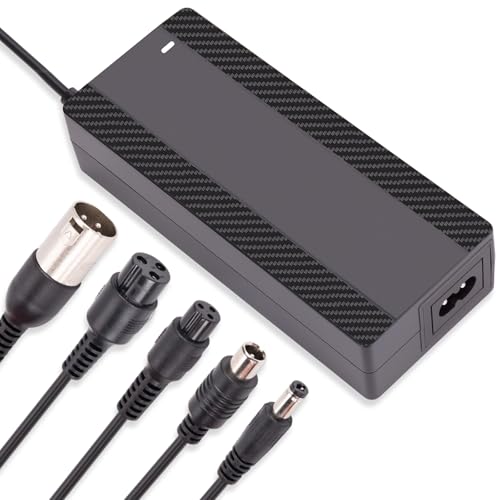
- 5-in-1 plug design for several connector types
- Works with many 48V e-bikes and scooters
- Compact build with 6-layer protection
Best For: Riders who want a lightweight backup charger for multiple 48V devices
Universal 5-in-1 Charger
48V/54.6V 2A Charger with 5 Plugs

- 5 connector options for broad compatibility
- 54.6V 2A smart charging for 48V lithium packs
- Built-in protection and charge-status light
Best For: multi-connector ebike owners who want broad plug compatibility
DC2.1 Plug Charger
54.6V 2A for Lectric and Similar Ebikes

- 5.5x2.1mm DC2.1 connector for exact-fit use
- 54.6V 2A smart charging for 48V lithium packs
- Protection features and charge-status indicator
Best For: riders who already know they need a DC2.1 connector
Wide-compatibility fast pick – 54.6V Fast Charger for 48V Lithium Batteries
If you need a replacement charger for electric bike use and want broad compatibility, this 54.6V unit is built for 48V lithium battery systems with a 5.5mm x 2.5/2.1mm connector. It focuses on speed and safety, with auto shut-off and built-in protection features that help reduce charging guesswork.
Best For: Riders with 48V e-bikes or scooters who want a simple, fast charger with a common barrel connector.
Pros:
- Compatible with 48V lithium batteries for electric bikes and scooters
- UL certified with over-voltage, over-current, and short-circuit protection
- Charges most 48V 13S batteries in about 4-6 hours
- Red/green LED indicator makes charge status easy to read
Cons:
- Must verify the 5.5mm x 2.5/2.1mm port size before buying
- Only for 48V lithium batteries, not other voltages
Overall, this is a practical replacement option if your bike uses a standard DC barrel-style connection and you value quick top-ups. The worldwide input range also makes it a convenient backup charger for travel.
Multi-plug certified option – SGS Certified 54.6V 2A Fast Electric Bicycle Charger
This replacement charger for electric bike batteries is aimed at riders who need flexibility, since it includes a 7-plug setup for many common 48V 13S lithium battery connections. The 54.6V 2A output is designed for fast charging, while SGS/UL testing and multiple protections add peace of mind.
Best For: Owners of 48V e-bikes who need a certified charger with multiple plug options for different battery ports.
Pros:
- SGS certified and passed UL testing
- Includes 6 converters plus a universal IEC plug for wide compatibility
- 54.6V 2A output supports faster charging for 48V 13S batteries
- LED indicators and auto shut-off help prevent overcharging
Cons:
- Only for 48V 13S lithium batteries, not 24V, 36V, or lead-acid packs
- Plug bundle may be more than you need if your bike already matches one connector
If your bike uses an uncommon charging port, this model stands out because it can adapt without forcing you to hunt for a separate cable. It is a strong choice when certification, protection features, and connector flexibility all matter.
Safety-first 48V pick – 48V Lithium Battery Charger with Auto Shutoff
For shoppers looking for a replacement charger for electric bike batteries that is clearly limited to 48V packs, this model keeps the focus on safety and compatibility. It uses a 54.6V 2A output, includes interchangeable plugs, and adds intelligent temperature control plus a fire-resistant case.
Best For: 48V e-bike owners who want a safety-focused charger with multiple plug styles and broad brand compatibility.
Pros:
- UL, TUV, SGS, CE, FCC, and RoHS certified
- Built-in over-voltage, over-current, short-circuit, and over-temperature protection
- Universal 3-in-1 design with DC, XLR, and 3-pin plug options
- 100V-240V input works globally
Cons:
- Only for 48V e-bike batteries, not 24V, 36V, 42V, 52V, or 58.8V
- Not compatible with electric scooters or hoverboards
This is a sensible choice if you want a charger built around protection and conservative compatibility rules. The clear voltage warnings make it especially useful for buyers replacing an older 48V charger and wanting to avoid a mismatch.
Portable multi-ride charger – 54.6V 1.6A Electric Scooter Charger
If you need a replacement charger for electric bike use that can also cover other rideables, this 5-in-1 model is built for versatility. It supports 48V/13S lithium battery-powered e-bikes, scooters, hoverboards, and wheelchairs, with a compact design that is easy to carry as a backup.
Best For: Commuters who want a lightweight universal charger for multiple 48V lithium-powered devices.
Pros:
- 5-in-1 plug design covers several common connector types
- Compatible with many brands including Lectric XP, Jetson, Gotrax, and more
- 6 layers of protection help guard against charging faults
- Compact, lightweight, and travel-friendly
Cons:
- Lower 1.6A output than some 2A chargers
- Uses a 110V input rating in the supplied details
Its appeal is less about raw speed and more about convenience across different devices and connector styles. If you need one charger to serve as a flexible spare for the garage or road, this is a practical contender.
Universal 5-in-1 Charger – 48V/54.6V 2A Charger with 5 Plugs
If you need a replacement charger for electric bike batteries and want fewer compatibility headaches, this 54.6V 2A model is built around a 5-plug design. It supports a wide range of 48V lithium battery setups and adds smart charging plus basic protection features for everyday use.
Best For: Riders who want one replacement charger that can cover multiple ebike and scooter connector types.
Pros:
- Includes 5 connector options, including 5.5×2.5mm DC, mini 3-prong, standard 3-prong, RCA, and 3-pin male XLR.
- 54.6V 2A output is suited to 48V lithium battery packs and supports faster charging.
- Smart charging turns from red to green when full and switches to maintenance mode.
- Built-in short circuit, overload, overcurrent, and overvoltage protection.
Cons:
- Not intended for lead-acid battery packs.
- Connector selection still needs to match your battery port exactly.
This is a practical all-around option if your main concern is compatibility across different ebike brands and plug styles. The tradeoff is that you still need to verify the connector that matches your battery.
UL Certified Multi-Connector Charger – 54.6V 2A for 48V Ebikes
This replacement charger for electric bike batteries focuses on safety and compatibility, with UL certification and five universal connectors. Its 54.6V 2A output is designed for most 48V lithium batteries, and the CC-CV charging mode helps it stop automatically when the battery is full.
Best For: Buyers who want a UL certified replacement charger with broad connector support.
Pros:
- UL certified model for safety and reliability.
- Five universal connectors for many ebikes and scooters.
- CC-CV charging mode automatically stops when fully charged.
- Safety features include overvoltage, overcurrent, short circuit, over temperature, reverse connection, and fuse protection.
Cons:
- Not for lead-acid batteries.
- Connector compatibility still needs to be checked against your port.
If you value safety certification as much as connector flexibility, this is a strong replacement charger choice. It is especially appealing for riders who want a simple, fast charger that is still built with multiple protection layers.
DC2.1 Plug Charger – 54.6V 2A for Lectric and Similar Ebikes
If your search is for a replacement charger for electric bike use and your battery takes a DC2.1 port, this model is built for that exact style of connection. It delivers 54.6V 2A charging for 48V lithium packs and includes smart charging plus protection features for regular home charging.
Best For: Owners who need a straight replacement with a 5.5×2.1mm DC2.1 connector.
Pros:
- Uses a 5.5×2.1mm DC2.1 connector for specific port matching.
- 54.6V 2A output is designed for 48V lithium battery packs.
- Smart charging changes from red to green and maintains the battery when full.
- Includes short circuit, overload, overcurrent, and overvoltage protection.
Cons:
- Not suitable for 5.5×2.5mm ports.
- Not for lead-acid battery packs.
- Only one connector type, so fitment must be confirmed before buying.
This is the most direct-fit option in the group if your battery port is definitely DC2.1. It is less flexible than the multi-plug chargers, but that can be a plus if you already know your exact connector.
Universal 7-in-1 48V Pick – 54.6V 2A Fast Charger
If you need a replacement charger for electric bike use across a mix of 48V lithium setups, this 54.6V 2A option is built for broad compatibility. It supports 13S lithium batteries only and includes seven interchangeable plugs, making it a practical choice for riders who want one charger for multiple e-bikes, scooters, or hoverboards.
Best For: Riders with 48V lithium batteries who want one ETL-certified charger for multiple compatible devices.
Pros:
- 54.6V 2A output is designed for 48V (13S) lithium-ion batteries.
- Includes 7 interchangeable plugs, including DC, 3-prong, RCA, XLR, and IEC options.
- ETL certified with over-voltage, over-current, short-circuit, and temperature protection.
- Charge indicator uses red for charging and green for fully charged.
Cons:
- Not compatible with 24V, 25V, 36V, or 42V batteries.
- Not for lead-acid battery packs.
- Must match the correct plug and battery type to use safely.
This is a good fit if you want a simple, multi-connector charger that covers common 48V lithium devices without extra complexity. The main limitation is that it is specifically for 48V lithium batteries, so checking your battery specs first is essential.
UL Listed Multi-Adapter Pick – 54.6V 2A Replacement Charger
For shoppers comparing a replacement charger for electric bike use, this 54.6V 2A model is aimed at 48V lithium-ion batteries and comes with five adapter plugs. It is designed as a universal replacement for many e-bikes and scooters, with safety protection and a simple LED status light for everyday charging.
Best For: Riders who want a UL listed 48V lithium charger with multiple adapter options.
Pros:
- 54.6V 2A output is built for 48V lithium-ion batteries.
- Includes 5 adapter plugs to improve compatibility across brands and models.
- UL listed and equipped with over-charge, short-circuit, over-voltage, and over-current protection.
- LED indicator shows charging in progress or fully charged.
Cons:
- Only suitable for 48V lithium batteries, not other battery voltages.
- Compatibility still depends on matching the correct plug type.
- Listed as a North American Type A power plug, which may matter for some buyers.
This charger makes sense if you want a straightforward, safety-focused option with several adapter choices. It is especially useful for riders who need a flexible replacement without stepping up to a more specialized charging system.
High-Output 7-in-1 Pick – 54.6V 3A Fast Charger
If you want a faster replacement charger for electric bike batteries, this 54.6V 3A model is the highest-output option in this group. It is designed for 48V lithium batteries, supports a universal 7-in-1 connector setup, and is listed with SGS and UL specifications for added confidence.
Best For: Riders who want a faster 48V lithium charger with broad plug compatibility.
Pros:
- 54.6V 3A output can reduce charge time compared with 2A chargers.
- Universal 7-in-1 plug setup covers common DC, 3-prong, RCA, XLR, and universal connections.
- Supports 48V lithium batteries and lists SGS and UL specification compliance.
- Compact enough to fit in a practical home charging setup.
Cons:
- Still limited to 48V lithium batteries only.
- Compatibility depends on using the correct connector from the included set.
- No special mention of ETL or UL certification beyond the listed specifications.
This is the strongest pick if charging speed matters most and your battery system matches the 48V lithium requirement. It keeps the same universal-plug idea as the others, but with more current for riders who want a quicker turnaround.
How We Picked the Best Replacement Charger for Electric Bike
We prioritized chargers built for 48V lithium ebike batteries, with the correct 54.6V output, practical amperage, and useful safety features like auto shutoff, overcharge protection, and temperature control. We also looked for clearer compatibility notes, certification claims such as UL, ETL, or SGS, and plug options that reduce the chance of buying the wrong connector.
Quick Comparison
Most options in this roundup fall into two main groups: basic 2A chargers for everyday use and faster 3A models for riders who want shorter charge times. Universal multi-plug designs offer more flexibility, while brand-specific chargers are usually the safest choice if you already know your bike model and connector type.
Key Buying Factors for a Replacement Charger for Electric Bike
Voltage and Battery Chemistry
Match the charger output to the battery pack, not just the bike. For many 48V lithium packs, 54.6V is the correct full-charge voltage for a 13S battery. Using the wrong voltage can prevent proper charging or create safety risks.
Amperage and Charging Speed
A 2A charger is a common balanced choice for daily riders, while a 3A charger can reduce charging time if your battery supports it. Faster is not always better, so confirm that your battery manufacturer allows higher charge rates before upgrading.
Connector Type and Plug Compatibility
Check the barrel size, plug shape, and any adapter included. A Replacement Charger for Electric Bike use is only useful if it physically matches your battery port or includes the correct adapter. Universal multi-plug kits can help if you have multiple devices, but exact-fit chargers are often simpler.
Safety and Build Quality
Look for overcharge protection, short-circuit protection, automatic shutoff, and heat management. Certification claims can add confidence, though you should still confirm the seller’s compatibility details and your bike’s battery specifications.
Who Should Buy Which Replacement Charger for Electric Bike?
If you want the safest, simplest option, choose a charger that explicitly lists your bike brand or battery model. If you are replacing a generic charger and are unsure about the connector, a universal 7-in-1 or multi-plug model may be the most practical choice. Riders who charge often and want less downtime should consider a 2A or 3A fast charger, while occasional riders may prefer a standard, lower-stress charging setup.
When in doubt, verify your battery label, charger output, and connector dimensions before ordering. That quick check is the best way to avoid returns and make sure your new charger works the first time.
