
If you want dependable training data, a chest heart rate monitor for cycling is still one of the most accurate ways to track effort on the bike. It’s a simple upgrade that can improve pacing, interval work, and recovery tracking.
In this roundup, we focus on nine of the best options for cyclists who want reliable connectivity, comfortable wear, and long battery life without paying for features they won’t use.
Best 9 Chest Heart Rate Monitor for Cycling Picks for 2026
Best for Accuracy
Polar H10 Chest Heart Rate Monitor
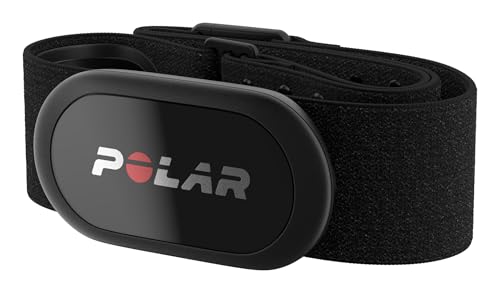
- Top-level accuracy for training data
- Works with Bluetooth, ANT+, and 5 kHz devices
- Waterproof strap with onboard memory
Best For: Cyclists who want accurate heart-rate tracking and broad device compatibility.
Best for Multi-Device Training

- Connects to up to 3 devices at once
- Comfortable arm-band fit with wear detection
- 38-hour battery life for frequent training
Best For: Cyclists who use multiple connected devices and want a comfortable, accurate workout monitor.
Best Multi-Device Connectivity
COOSPO H6 Chest Strap Heart Rate Monitor
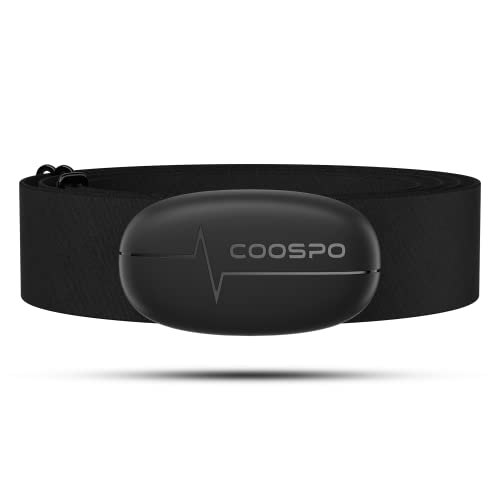
- Bluetooth and ANT+ for flexible pairing
- Works with cycling apps, watches, and bike computers
- IP67 water resistance for sweaty training sessions
Best For: Cyclists who want one chest strap to work across multiple devices and fitness apps.
Best for Long Battery Life
CYCPLUS H2Pro Chest Heart Rate Monitor

- Up to 500 hours of battery life
- Bluetooth and ANT+ for wide compatibility
- Lightweight, comfortable strap for rides
Best For: Cyclists who want a low-maintenance chest strap with broad app support and long battery life.
Best for Cross-Platform Pairing
Powr Labs Bluetooth Heart Rate Monitor
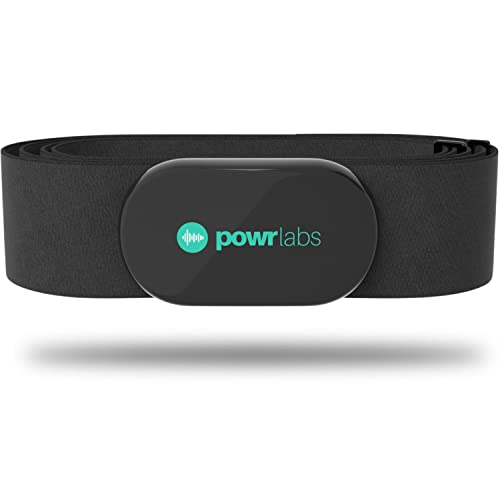
- Bluetooth + ANT+ compatibility for broad device support
- Comfort-focused chest strap for longer rides
- 400+ hour battery life with sweat-resistant build
Best For: Cyclists who switch between bike computers, watches, and training apps.
Best Budget Dual-Mode Strap
COOSPO H808S Chest Heart Rate Monitor
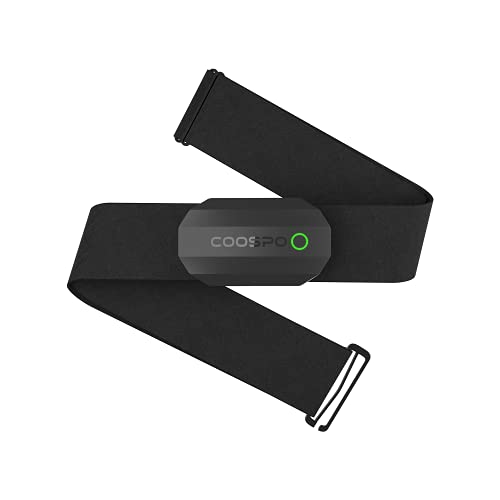
- Bluetooth + ANT+ for wide device compatibility
- Works with Zwift, Strava, Wahoo Fitness, and more
- IP67 water resistance with long 300-hour battery life
Best For: Cyclists wanting an affordable chest strap that pairs easily with training apps and bike devices.
Best for Comfort
Magene H64 Chest Strap Heart Rate Monitor

- ANT+ and Bluetooth for broad compatibility
- Chest strap improves workout heart-rate reliability
- Long battery life with IP67 dust and water resistance
Best For: Cyclists who want one sensor that works across bike computers, watches, and training apps.
Best with Extra Features
Polar H10 Heart Rate Monitor Chest Strap

- Top-tier heart rate accuracy
- Bluetooth, ANT+, and 5 kHz support
- Waterproof with internal memory
Best For: Cyclists who want reliable heart-rate data and broad compatibility.
Best Heavy-Duty Pick
GEOID HS500 Heart Rate Monitor

- 800-hour battery life with replaceable CR2032 cell
- ANT+ and Bluetooth support for cycling apps and bike computers
- LED status light plus IP67 waterproof design
Best For: Cyclists who want a low-maintenance chest strap with long battery life and broad compatibility.
Best for Accuracy – Polar H10 Chest Heart Rate Monitor
If you want a chest heart rate monitor for cycling that prioritizes precision and broad compatibility, the Polar H10 is one of the safest picks. It supports Bluetooth, ANT+, and 5 kHz, so it can connect to a wide range of cycling computers, apps, and gym equipment while still delivering reliable chest-strap readings.
Best For: Cyclists who want highly accurate heart-rate tracking and flexible device compatibility for training indoors or outdoors.
Pros:
- Widely regarded for top-tier heart-rate accuracy
- Bluetooth, ANT+, and 5 kHz support with dual-connection options
- Comfortable Polar Pro chest strap with improved electrodes
- Fully waterproof with internal memory for offline use
Cons:
- Chest straps can feel less convenient than wrist sensors for casual rides
- Battery is a specific CR2025 size only
For riders who care more about dependable training data than flashy extras, this chest heart rate monitor for cycling stands out. The Polar H10 is a strong choice if you want accurate readings, flexible connectivity, and a proven strap design that works well across different training setups.
Best for Multi-Device Training – COROS Heart Rate Monitor
If you want a chest heart rate monitor for cycling that can also feed data to your watch, bike computer, phone, or trainer at the same time, the COROS Heart Rate Monitor is built for that kind of setup. It uses a Bluetooth-only connection, includes wear detection, and focuses on workout heart rate tracking rather than all-day monitoring.
Best For: Cyclists who train with multiple devices and want a comfortable, arm-worn heart rate monitor with simple pairing and reliable workout data.
Pros:
- Pairs with up to 3 devices at once for flexible cycling setups
- Soft, breathable band is more comfortable than a chest strap
- Auto-wear detection helps it power on and connect quickly
- 38-hour battery life is strong for regular training use
Cons:
- Bluetooth only, so it is not compatible with ANT+ gear
- Arm-band design may not suit riders who specifically want a chest strap
- Not intended for daily heart rate tracking outside workouts
For riders who care more about easy wear, quick pairing, and multi-device support than a traditional strap, this is a practical chest heart rate monitor for cycling alternative. It is especially appealing for indoor training and structured workouts where convenience matters as much as accuracy.
Best Multi-Device Connectivity – COOSPO H6 Chest Strap Heart Rate Monitor
If you want a chest heart rate monitor for cycling that can connect to more than one training setup, the COOSPO H6 is a practical pick. It delivers real-time heart rate tracking with Bluetooth 4.0 and ANT+, making it easy to pair with bike computers, watches, and popular training apps.
Best For: Cyclists who want a reliable chest strap that works across Garmin-style bike computers, Peloton setups, and third-party fitness apps.
Pros:
- Bluetooth and ANT+ support for broad device compatibility
- Works with many apps, including Zwift, Strava, Wahoo Fitness, and Polar Beat
- Compatible with Garmin bike computers and many gym machines
- IP67 rating adds useful sweat and water resistance
Cons:
- Best results depend on moistening the electrodes before use
- Requires separating the sensor from the strap after workouts
- Bluetooth pairing is app-based, which may feel less direct for some users
For riders who care more about compatibility than flashy extras, the COOSPO H6 is a strong chest heart rate monitor for cycling. Its dual-mode connection and wide app support make it a straightforward training tool for tracking effort across different devices.
Best for Long Battery Life – CYCPLUS H2Pro Chest Heart Rate Monitor
If you want a dependable chest heart rate monitor for cycling without constant charging, the CYCPLUS H2Pro is built for steady training and everyday use. It combines Bluetooth and ANT+ compatibility, an ECG-based sensing approach, and a lightweight strap design that stays comfortable on longer rides.
Best For: Cyclists and fitness users who want a low-maintenance chest strap with long battery life, broad app/device compatibility, and solid real-time tracking.
Pros:
- Up to 500 hours of battery life keeps maintenance low.
- Bluetooth and ANT+ support works with cycling computers and training apps.
- Light 21g sensor and soft strap help improve comfort on rides.
- IPX7 waterproofing and dustproof design suit sweaty sessions and outdoor use.
Cons:
- Bluetooth setup is app-based, so it won’t connect directly to a phone as a basic sensor.
- May need a damp electrode area in very dry conditions to transmit properly.
Overall, the H2Pro is a strong practical pick if you want a chest heart rate monitor for cycling that prioritizes battery life, comfort, and easy integration with common training platforms. It’s especially appealing for riders who train regularly and want accurate chest-strap data without a lot of upkeep.
Best for Cross-Platform Pairing – Powr Labs Bluetooth Heart Rate Monitor
If you want a chest heart rate monitor for cycling that connects easily across different devices, the Powr Labs strap is a practical pick. It supports both Bluetooth and ANT+ so it can pair with bike computers, smartwatches, and popular training apps without much setup friction.
Best For: Cyclists who use multiple devices or apps and want a comfortable, no-fuss chest strap with strong battery life.
Pros:
- Dual Bluetooth and ANT+ support works with many cycling platforms and apps.
- Soft, adjustable chest strap is designed for long rides and everyday comfort.
- 400+ hour battery life means less maintenance between training blocks.
- IPX67 sweat resistance adds durability for hard sessions and wet weather.
Cons:
- Must be worn before pairing, which adds a small step to setup.
- Not the most feature-rich option if you want advanced ecosystem extras.
Overall, this is a solid chest heart rate monitor for cycling if you care more about reliable connectivity and comfort than premium-brand pricing. It covers the essentials well, especially for riders who want one strap that can move between multiple training devices.
Best Budget Dual-Mode Strap – COOSPO H808S Chest Heart Rate Monitor
If you want a chest heart rate monitor for cycling that works with both Bluetooth and ANT+, the COOSPO H808S is a practical pick for riders who track training on bikes, watches, or apps. It focuses on straightforward heart-rate accuracy, broad compatibility, and a long battery life without pushing into premium pricing.
Best For: Cyclists who want an affordable, widely compatible chest strap for indoor training, Zwift, and bike computer use.
Pros:
- Bluetooth 4.0 and ANT+ support makes it easy to pair with many devices.
- Compatible with popular training apps and platforms like Zwift, Strava, and Wahoo Fitness.
- IP67 water resistance and 300-hour battery life suit regular training.
- LED and beep indicators help confirm connection status quickly.
Cons:
- Requires moistening the electrodes for reliable contact before use.
- The strap may need periodic replacement after repeated washing and heavy use.
- Bluetooth setup works best through the app, not the phone’s native pairing menu.
For riders shopping for a chest heart rate monitor for cycling on a budget, the H808S hits a useful middle ground: it’s simple, compatible, and built for everyday training rather than advanced analytics. That makes it a strong value choice if you mainly want dependable heart-rate data and easy device pairing.
Best for Comfort – Magene H64 Chest Strap Heart Rate Monitor
If you want a chest heart rate monitor for cycling that can feed both a bike computer and a training app, the Magene H64 is a practical pick. It uses ANT+ and Bluetooth for broad compatibility, and the chest strap design is built for more reliable heart-rate readings during hard efforts.
Best For: Cyclists and multi-sport users who want one affordable sensor that works with bike computers, watches, and popular training apps.
Pros:
- ANT+ and Bluetooth support lets it connect to multiple devices and apps
- Chest strap design helps improve accuracy during rides and workouts
- Long battery life and IP67 protection make it low-maintenance
- Works with many cycling and fitness platforms, including Zwift and Strava
Cons:
- Phone apps require pairing inside the app, not through Bluetooth settings
- Initial setup needs the battery insulating sheet removed before first use
For riders who want a no-fuss chest heart rate monitor for cycling with wide device support, the H64 covers the essentials well. It’s especially appealing if you train across multiple platforms and want stable, straightforward heart-rate tracking.
Best with Extra Features – Polar H10 Heart Rate Monitor Chest Strap
If you want a chest heart rate monitor for cycling that prioritizes dependable readings over extra bells and whistles, the Polar H10 is a strong pick. It supports Bluetooth, ANT+, and 5 kHz connections, works with a wide range of apps and devices, and includes a comfortable chest strap designed for stable contact during hard efforts.
Best For: Cyclists who want highly accurate heart-rate tracking with broad device compatibility.
Pros:
- Widely regarded for top-tier heart rate accuracy
- Bluetooth and ANT+ can be used at the same time
- Waterproof design with internal memory for ride data
- Compatible with many watches, apps, and gym equipment
Cons:
- Requires a chest strap, which some riders may prefer to avoid
- No advanced training features beyond core heart-rate tracking
For riders who care most about clean, reliable heart-rate data, the Polar H10 stands out as a practical chest heart rate monitor for cycling. It’s especially compelling if you train across multiple platforms and want one sensor that plays nicely with nearly everything.
Best Heavy-Duty Pick – GEOID HS500 Heart Rate Monitor
If you want a dependable chest heart rate monitor for cycling without constant charging, the GEOID HS500 is built around simplicity, long runtime, and broad device compatibility. It uses ANT+ and Bluetooth, so it can pair with bike computers, training apps, and a wide range of fitness gear while keeping your effort data easy to track on rides.
Best For: Cyclists and multisport users who want a lightweight chest strap monitor with long battery life and flexible app/device support.
Pros:
- Up to 800 hours of battery life with a replaceable CR2032 cell
- ANT+ and Bluetooth support for bike computers and training apps
- LED indicator helps confirm connection and sensor readiness
- IP67 waterproof rating and low-profile chest strap design
Cons:
- Swimming is not recommended
- Bluetooth should be connected through the app, not directly to the phone
- No advanced cycling metrics beyond heart-rate tracking
For riders who prioritize battery life and easy compatibility, the HS500 is a practical chest heart rate monitor for cycling and indoor training. It may not be the most feature-rich option, but it covers the essentials well and should suit anyone who wants accurate heart-rate tracking with minimal upkeep.
How We Picked the Best Chest Heart Rate Monitor for Cycling
We looked for monitors that balance accuracy, real-world comfort, and broad device compatibility. The best models for cycling typically offer stable ANT+ and Bluetooth connections, strong water resistance for sweat and wet rides, and batteries that can handle long training blocks without constant charging or coin-cell swaps.
We also prioritized strap designs and sensor housings that are practical under a jersey, supportive during intense efforts, and easy to pair with cycling computers, smartwatches, and training apps.
Quick Comparison: What Matters Most
When comparing a Chest Heart Rate Monitor for Cycling, focus on the basics first: connection type, strap comfort, battery life, and water resistance. For most riders, dual ANT+/Bluetooth support is the most flexible choice because it works with head units and phones at the same time.
If you ride indoors and outdoors, a monitor with strong app support and quick pairing can save time every week. If you train frequently, longer battery life and a washable strap become especially valuable.
Key Buying Factors for a Chest Heart Rate Monitor for Cycling
Accuracy and Signal Stability
Chest straps generally outperform wrist-based trackers for rapid heart rate changes, which makes them especially useful for intervals, climbs, and race efforts. Look for models known for consistent readings during movement and sweaty sessions.
Connectivity and Device Compatibility
ANT+ is ideal for most cycling computers, while Bluetooth is helpful for phones, tablets, and some indoor training apps. Dual-protocol models give you the most flexibility and reduce the chance of compatibility issues.
Comfort and Strap Fit
A good strap should stay secure without feeling restrictive. Adjustable, soft, and low-profile straps matter for long rides, especially if you wear the monitor under tight kit or in indoor training positions.
Battery Life and Maintenance
Battery life varies widely, so check whether the monitor uses a replaceable coin cell or rechargeable system. Longer runtime is convenient, but easy maintenance matters too if you ride several times per week.
Durability and Water Resistance
Sweat, rain, and repeated washing can wear down cheaper units. For cycling, water resistance and a durable sensor housing help ensure the monitor keeps working through hard training blocks and mixed conditions.
Who Should Buy Which Chest Heart Rate Monitor for Cycling?
Competitive cyclists and data-focused riders should lean toward premium options with the strongest accuracy reputation and dependable dual connectivity. Riders who want the best value should look for a Chest Heart Rate Monitor for Cycling that covers ANT+ and Bluetooth without extra features they won’t use.
Indoor cyclists and Peloton users may prefer easy app pairing and comfortable all-day wear, while high-volume riders should put battery life and strap comfort near the top of the list. If you mainly want dependable heart rate data with minimal setup, choose the simplest model that fits your devices and training routine.
