
The best bivy sacks give you a compact layer of protection when a full tent is too bulky, unnecessary, or unavailable. This roundup includes ultralight backpacking bivies alongside emergency thermal models for cars, hiking kits, and disaster preparedness.
Because these products serve very different purposes, compare waterproofing, breathability, warmth, durability, packed size, and included features before buying.
Best 10 Bivy Sacks Picks for 2026
Ultralight Backcountry Pick
Sierra Designs Backcountry Bivy

- 16-ounce 20D nylon ripstop construction
- Waterproof/breathable top fabric
- U-shaped opening and mesh ventilation window
Best For: Minimalist backpacking, bikepacking, and mountaineering
Two-Pack Emergency Value
Leberna Mylar Thermal Sleeping Bags

- Two waterproof and windproof emergency bags
- Each weighs 2.8 ounces
- Includes carry pouch and emergency whistle
Best For: Car kits, hiking packs, and basic emergency preparedness
Bulk Preparedness Choice
Sierra Madre Thermal Bivy Sack

- Ten emergency bivy sacks per pack
- Waterproof and windproof polyethylene construction
- Reflects about 90% of body heat and weighs 6 ounces
Best For: Group emergency kits, families, and survival planning
Compact Everyday Backup

- Tear-resistant polyethylene with sealed seams
- Reflective insulation retains up to 90% of body heat
- Compact design for packs and roadside kits
Best For: Hiking packs, vehicle emergency kits, and everyday preparedness
Best Lightweight Emergency Bivy

- Reflects up to 90% of body heat
- Waterproof, windproof, and reusable
- Six-ounce design with full coverage
Best For: Solo emergency kits, hiking, and camping
Best Two-Pack Value

- Two lightweight emergency bags included
- Reflects up to 95% of body heat
- Works as shelter, blanket, or ground cover
Best For: Family kits, shared emergency supplies, and bug-out bags
Best Extra-Large Bivy Set
Hooded Thermal Survival Bivy Sack

- Extra-large 94.5-by-49.2-inch size
- Built-in hood and included emergency whistle
- Tear- and puncture-resistant reinforced construction
Best For: Tall users, family kits, and durable emergency gear
Best Multi-Pack Value
Mixweer 12-Piece Emergency Bivy Sacks

- 12-pack supports group preparedness
- Waterproof and heat-reflective material
- Useful as shelter or emergency gear
Best For: Families, groups, and stocked emergency kits
Best Feature-Packed Bivy
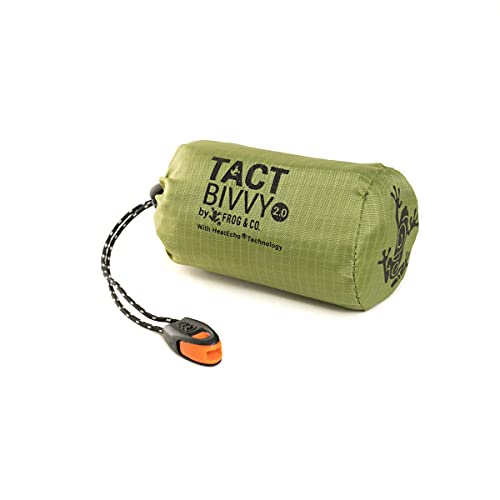
- Weighs just 4.8 ounces
- Includes whistle, carabiner, and tinder drawstring
- Waterproof and heat-reflective
Best For: Lightweight emergency and hiking kits
Best Bulk Backup Kit
NovaMedic Thermal Mylar Bivy Sacks

- Five-pack for broader emergency coverage
- 84-by-36-inch adult-size coverage
- Compact, reflective, and wind-resistant
Best For: Home, vehicle, and preparedness backup kits
Ultralight Backcountry Pick – Sierra Designs Backcountry Bivy
For backpackers seeking a more capable bivy sack than a disposable emergency shelter, the Sierra Designs Backcountry Bivy combines a lightweight 20D nylon ripstop build with a waterproof/breathable top fabric. Its side zipper, U-shaped opening, and ventilation window make it practical for minimalist camping, bikepacking, and mountaineering.
Best For: Backpackers and mountaineers who want a lightweight, reusable bivy with improved ventilation and easier entry.
Pros:
- Lightweight 16-ounce design for minimalist trips.
- Waterproof/breathable top fabric helps balance weather protection and comfort.
- Large U-shaped opening and side zipper simplify entry and exit.
- Mesh window supports ventilation in good weather.
Cons:
- Designed for one person and a maximum recommended height of 77 inches.
- Its minimalist bivy format offers less room than a conventional tent.
This is the strongest choice here for regular outdoor use rather than emergency-only storage. The breathable top, ventilation window, and guy-line loop add practical comfort while keeping the design compact.
Two-Pack Emergency Value – Leberna Mylar Thermal Sleeping Bags
This two-pack gives emergency kits a compact bivy sack option for unexpected exposure. Each reflective Mylar bag is waterproof and windproof, weighs 2.8 ounces, and packs into a small drawstring pouch for cars, backpacks, or home preparedness supplies.
Best For: Emergency kits, roadside supplies, and hikers who want two lightweight thermal shelters with minimal packed bulk.
Pros:
- Includes two sleeping bags, each with its own carry pouch.
- Reflective material is designed to retain or reflect up to 90% of body heat.
- Waterproof, windproof, and reusable for emergency use.
- Head-cover design and included 120-decibel whistle add useful emergency features.
Cons:
- The Mylar material is intentionally very thin and is not comparable to a traditional sleeping bag.
- Primarily suited to emergency protection rather than routine overnight comfort.
Choose this bivy sack set when redundancy matters: two compact shelters can support a vehicle, household, or partner’s emergency kit. Its thin reflective construction keeps weight and storage space low, but comfort and long-term durability are limited compared with camping-focused bivies.
Bulk Preparedness Choice – Sierra Madre Thermal Bivy Sack
For stocking multiple emergency kits, this thermal bivy sack comes in a 10-pack and uses reflective polyethylene insulation for cold-weather protection. The waterproof, windproof design weighs 6 ounces per bag, packs into a small space, and is intended for hiking, camping, and survival use.
Best For: Families, organizations, and preparedness planners who need multiple reusable emergency bivy sacks.
Pros:
- Ten-pack supports group or multi-location emergency planning.
- Reflective construction is designed to retain about 90% of body heat.
- Waterproof and windproof for protection from rain, wind, and snow.
- Drawstring stuff sack supports compact storage and reuse.
Cons:
- At 6 ounces each, it is heavier than the 2.8-ounce individual bags in this roundup.
- The rectangular emergency format is less suited to comfort-focused camping than a full-featured bivy.
The main advantage is quantity: one purchase can equip several people or kits. Its tougher reusable design and full-coverage sizing make it a practical preparedness upgrade when disposable emergency blankets are not enough.
Compact Everyday Backup – Modern Needs Emergency Bivy
This compact emergency bivy sack is designed to stay ready in a hiking pack, roadside kit, or survival bag. Its tear-resistant polyethylene construction, sealed seams, and reflective insulation provide lightweight weather protection while the small packed size makes it easy to carry.
Best For: Hikers, drivers, and preparedness-minded users who want one compact emergency shelter for unexpected exposure.
Pros:
- Designed to pack smaller than a soda can and weigh less than a deck of cards.
- Tear-resistant polyethylene and sealed seams support dependable emergency use.
- Reflective insulation helps retain up to 90% of body heat.
- Can function as an emergency bivy, blanket, or lightweight cover.
Cons:
- It is a single emergency shelter rather than a multi-pack.
- The pull-on, cylindrical design prioritizes quick protection over adjustable camping comfort.
This is a convenient grab-and-go option for people who want bivy coverage without adding much bulk. Its versatility is useful in a preparedness kit, though it should be viewed as emergency protection rather than a substitute for a structured camping shelter.
Best Lightweight Emergency Bivy – Thermal Waterproof Bivy Sack
For hikers, campers, and emergency-kit builders who want compact bivy sacks, this lightweight thermal sleeping bag offers a practical layer of protection from cold, rain, and wind. Its orange color, reusable design, and six-ounce weight make it easy to keep in a backpack, vehicle, or bug-out bag.
Best For: Solo emergency preparedness, hiking, camping, and compact survival kits.
Pros:
- Reflects up to 90% of body heat, according to the product details.
- Waterproof and windproof PET/Mylar-style construction helps shield against rain, wind, and snow.
- Weighs just 6 ounces and packs into the included drawstring stuff sack.
- Reusable design and roomy 84-by-36-inch dimensions provide broad coverage.
Cons:
- It has an open closure rather than a fully enclosed sleeping-bag closure.
- Designed primarily as emergency protection, so it may not provide the comfort features of a conventional sleeping bag.
This is a sensible choice when low weight and emergency coverage matter most. Its reusable construction gives it an advantage over disposable-style emergency blankets, though users should treat it as survival protection rather than a full-featured camping sleeping bag.
Best Two-Pack Value – Compact Mylar Bivy Sacks
This two-pack of bivy sacks is a practical option for couples, families, or preparedness kits that need more than one emergency shelter. The lightweight Mylar foil construction is designed to reflect up to 95% of body heat while providing waterproof and windproof coverage.
Best For: Two-person emergency supplies, family camping kits, hiking, and bug-out bags.
Pros:
- Includes two emergency sleeping bags for shared preparedness needs.
- Reflects up to 95% of body heat and helps protect against rain, wind, and snow.
- Large 78-by-47-inch dimensions are intended to accommodate adults and children.
- Can also serve as a shelter, ground cover, blanket, or signaling surface.
Cons:
- The product details list no buckle or dedicated closure system.
- Its stated temperature rating is 6 to 15 degrees Celsius, limiting its documented cold-weather range.
- At four ounces per bag, it prioritizes portability over substantial insulation.
Choose this set when quantity and versatility are more important than sleeping-bag features. Two bags provide useful redundancy, while the oversized shape and multiple emergency uses make the pack adaptable for outdoor and disaster-preparedness scenarios.
Best Extra-Large Bivy Set – Hooded Thermal Survival Bivy Sack
For shoppers who need roomy bivy sacks with added emergency features, this two-pack combines an extra-large design with a built-in hood and included whistle. The tear- and puncture-resistant PE construction, reinforced seams, and waterproof shell are intended for repeated emergency use in difficult weather.
Best For: Tall users, family emergency kits, cold-weather preparedness, and durable vehicle or hiking gear.
Pros:
- Extra-large 94.5-by-49.2-inch dimensions fit users up to 84 inches tall.
- Built-in hood is designed to help retain additional body heat.
- Thick, tear- and puncture-resistant material with reinforced seams supports durability.
- Two bags and an emergency whistle provide useful preparedness value.
Cons:
- At 0.44 kg per listed product weight, it is heavier than the lightest emergency bivy options.
- The larger packed size may be less convenient for minimalist backpacking.
- The product is positioned as emergency shelter rather than a conventional insulated sleeping bag.
This set stands out for users who dislike the cramped dimensions common to emergency bags. The hood, reinforced construction, two-pack format, and whistle make it particularly suited to robust preparedness kits, although ultralight backpackers may prefer a smaller option.
Best Multi-Pack Value – Mixweer 12-Piece Emergency Bivy Sacks
For group kits or shared outdoor gear, these bivy sacks provide a practical way to stock up on lightweight emergency shelter. The PE and aluminum-foil construction is waterproof, tear-resistant, and designed to reflect up to 90% of body heat, while the compact storage bags make the set easy to distribute or carry.
Best For: Families, groups, shelters, and preparedness kits that need multiple emergency bivy sacks.
Pros:
- Includes 12 emergency sleeping bags for sharing or replacement.
- Waterproof, reusable construction with anti-tear and anti-puncture coating.
- Can also serve as a ground cover, poncho, windshield, or water collector.
- Green color blends more naturally with outdoor surroundings.
Cons:
- The large multi-pack may be more than an individual user needs.
- Storage dimensions and material are geared toward emergency use rather than conventional sleeping-bag comfort.
This is a sensible bulk option when preparedness quantity matters most. Its multiple-use design adds flexibility, though solo campers may prefer a single, more feature-rich bivy sack.
Best Feature-Packed Bivy – Survival Frog Tact Bivvy 2.0
The Survival Frog Tact Bivvy 2.0 adds several practical features to a compact emergency bivy sack. It weighs 4.8 ounces, packs into a small stuff sack, and uses reflective material intended to return up to 90% of body heat, making it well suited to emergency kits and lightweight outdoor carry.
Best For: Hikers, campers, and preparedness-minded users who want an emergency bivy sack with built-in accessories.
Pros:
- Very lightweight and compact for backpack, vehicle, or bug-out-kit storage.
- Waterproof, windproof, and tear-resistant material with reinforced taped seams.
- Includes a 120-decibel whistle, carabiner, and para-tinder drawstring.
- Bright orange color can improve visibility to rescuers.
Cons:
- Designed primarily as emergency shelter rather than a full-comfort sleeping bag.
- The integrated drawstring and survival accessories may be unnecessary for users seeking a basic bivy only.
Among these bivy sacks, this model stands out for combining low weight with useful emergency extras. It is a strong choice for compact preparedness, especially when visibility and accessories are priorities.
Best Bulk Backup Kit – NovaMedic Thermal Mylar Bivy Sacks
NovaMedic’s thermal Mylar bivy sacks are designed for straightforward emergency coverage in a compact format. Each measures 84 by 36 inches and is intended to help retain body heat while providing a barrier against wind, rain, and moisture, making the pack useful for preparedness and roadside kits.
Best For: Households, vehicles, and emergency-preparedness users who want several basic thermal bivy sacks on hand.
Pros:
- Pack of five supports household, vehicle, or group emergency storage.
- 84-by-36-inch design offers full-body coverage for most adults.
- Lightweight, compact, and easy to store in backpacks or glove compartments.
- Reflective Mylar helps retain and reflect body heat.
Cons:
- Supplied details describe water and wind resistance rather than full waterproof performance.
- Basic emergency design may offer fewer accessories than the Survival Frog option.
- The listed item weight is 16 ounces, making it less ultralight than the 4.8-ounce alternative.
This pack offers a simple way to distribute thermal emergency protection across several locations. Choose it when quantity and compact storage are more important than specialized accessories or minimum pack weight.
How We Picked These Bivy Sacks
We selected options across the two main bivy categories: purpose-built outdoor bivy bags and lightweight emergency sleeping bags. Our evaluation focuses on practical specifications for backpacking, camping, bikepacking, mountaineering, roadside emergencies, and survival kits. Key considerations include weather protection, material performance, portability, durability, ease of packing, and useful extras such as stuff sacks, whistles, hoods, or carabiners.
Keep the intended use in mind when comparing products. A breathable bivy designed for repeated outdoor sleeping is not interchangeable with a reflective Mylar emergency shelter, even when both are marketed as Bivy Sacks.
Quick Comparison
| Use Case | Best Product Type | What Matters Most |
|---|---|---|
| Backpacking and mountaineering | Ultralight outdoor bivy | Breathability, waterproofing, packed weight, and sleeping comfort |
| Emergency car or hiking kit | Thermal emergency bivy | Compact storage, visibility, water resistance, and low cost |
| Group preparedness | Multi-pack emergency bivies | Quantity, individual packaging, durability, and storage life |
| Cold-weather contingency use | Thermal bivy with hood or reinforced material | Heat retention, coverage, tear resistance, and wind protection |
Key Buying Factors for Bivy Sacks
Weather Protection
Check whether the sack is waterproof, water-resistant, or simply windproof. For sustained rain, look for sealed or protected openings and a design intended for outdoor sleeping. Emergency blankets can block wind and rain but may not provide the durability needed for repeated use.
Breathability and Condensation
Breathable fabrics are important when sleeping outdoors because body moisture can collect inside a sealed shelter. Mylar emergency bivies prioritize heat reflection and compactness, so they may feel less comfortable during extended use.
Weight, Size, and Packed Volume
Backpackers should verify packed weight and dimensions alongside interior space. Emergency models are usually extremely light and small, while durable backpacking bivies may offer more room at the cost of extra weight.
Durability and Features
Look for tear-resistant construction, reinforced seams, a useful closure system, and a stuff sack when you expect repeated use. A built-in whistle, hood, or carabiner can add value in an emergency kit, but these features do not replace adequate insulation or weather protection.
Who Should Buy Which Bivy Sacks?
Choose the Sierra Designs outdoor bivy if you need a dedicated shelter for backpacking, bikepacking, camping, or mountaineering. It is the most appropriate category for planned overnight use and changing weather.
Choose a single emergency thermal bivy for a daypack, vehicle, workplace, or basic survival kit. Multi-packs make more sense for families, group outings, shelters, or household preparedness. Models with hoods, whistles, stuff sacks, or reinforced materials are useful when visibility, organization, and repeated handling matter.
Before relying on any bivy sack in severe conditions, practice unpacking and setting it up, inspect the material for damage, and pair it with suitable insulation such as a sleeping pad and warm clothing.
