
A hammock can feel wonderfully lightweight and comfortable—until cold air moves underneath it. The right underquilt adds targeted insulation below your sleeping bag without forcing you to carry a bulky ground-sleeping system.
We compare 10 premium hammock underquilts across warmth, weight, coverage, weather resistance, suspension compatibility, and value, so you can choose confidently for backyard lounging, backpacking, or colder overnight trips.
Best 10 Premium Hammock Underquilts Picks for 2026
Most Versatile

- 4-in-1 outdoor use
- 40°F synthetic insulation
- 360-degree draft-blocking wrap
Best For: Campers seeking one quilt for multiple uses
Best Cold-Weather Coverage

- 300g microfiber insulation
- Water- and wind-resistant shell
- Adjustable shock-cord fit
Best For: Campers prioritizing coverage and adjustability
Best for Tree Tents
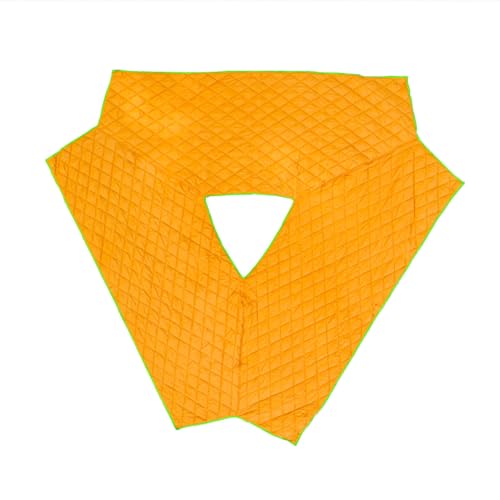
- Made for Stingray and Trillium tents
- R-value of 2.7
- Fits three-person shelters
Best For: Tentsile owners needing shelter-floor insulation
Best Lightweight Wrap
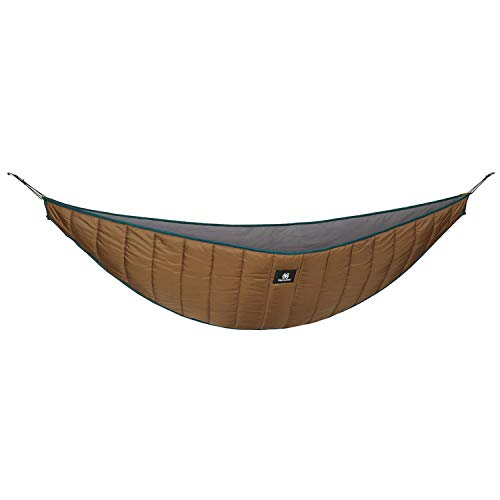
- Full-length hammock coverage
- 1.7-pound packed system
- Quick elastic and bungee setup
Best For: Solo campers in moderate temperatures
Best Value
Wise Owl Outfitters Hammock Underquilt

- 40-degree poly-fill insulation
- Water-resistant 20D ripstop nylon
- Fits single and double hammocks
Best For: Versatile, value-focused hammock camping
Best Cold-Weather Range
Duck Down All-Season Hammock Underquilt

- 15°F to 50°F stated range
- 60% duck down and 40% synthetic fill
- Converts to an overquilt or liner
Best For: Backpacking across variable conditions
Best Warranty
Gold Armour Hammock Underquilt

- 40-degree silk-cotton insulation
- Water-resistant ripstop nylon shell
- Includes a five-year warranty
Best For: Durable single- or double-hammock setups
Lightweight 3-Season Pick
Onewind Camping Hammock Underquilt

- 2.2 pounds and packs to about 7 x 14 inches
- Adjustable shock cords help reduce cold spots
- Compatible with single and double hammocks
Best For: Lightweight three-season hammock camping
Large-Coverage Cold-Weather Pick
AYAMAYA 4-Season Hammock Underquilt

- Large 98.4 x 66.9-inch coverage
- DWR-coated 20D ripstop nylon shell
- Fits single, double, and asymmetrical hammocks
Best For: Double-hammock users needing generous seasonal coverage
Ultralight Down Pick

- 400g duck down in a 1.68-pound quilt
- Heat-reflective film supports added warmth
- Packs to about 13.4 x 6.3 x 6.3 inches
Best For: Solo backpackers seeking compact down insulation
Most Versatile – Grand Trunk ThermaQuilt
For shoppers comparing premium hammock underquilts, the Grand Trunk ThermaQuilt stands out for its flexible 3-in-1 design. It works as an underquilt, overquilt, sleeping bag, or flat blanket, while its 40°F rating and full 360-degree wrap help retain warmth in cooler conditions.
Best For: Campers who want one insulated piece of gear for multiple outdoor uses.
Pros:
- Converts between an underquilt, overquilt, sleeping bag, and blanket.
- 140 GSM synthetic insulation is rated to 40°F.
- Wraparound cinch-cord design helps block drafts.
- Works with most parachute nylon single and double hammocks.
Cons:
- At 29 ounces, it is not the lightest option in this roundup.
- The listed temperature rating may not suit colder-than-40°F conditions.
Its broad functionality makes the ThermaQuilt a practical choice when versatility matters as much as hammock insulation. The 7.5-by-15-inch packed size also keeps it manageable for transport.
Best Cold-Weather Coverage – Underquilt Blanket
This Underquilt Blanket is a sensible premium hammock underquilts contender for campers who prioritize broad coverage and adjustable fit. Its 300g microfiber fill, wind- and water-resistant shell, and attached shock cords help create a snug layer beneath many hammock styles.
Best For: Hammock campers wanting substantial insulation and flexible adjustment at a modest packed size.
Pros:
- 300g microfiber filling provides substantial insulation.
- 210T ripstop polyester shell has urethane coating for wind and water resistance.
- Shock cords and cord locks adjust the fit at the ends and sides.
- Packs to 6 by 15 inches in the included stuff sack.
Cons:
- At 1.8 pounds, it is heavier than some backpacking-focused options.
- The stated temperature range is broad, so actual comfort may depend on conditions and setup.
With an 84-by-40-inch format and reversible green-and-gray design, this blanket-style underquilt emphasizes coverage and adjustability. It is a good fit for campers less concerned with minimizing every ounce.
Best for Tree Tents – Tentsile Insulated Quilt
Unlike conventional single-hammock quilts, this Tentsile Insulated Quilt is designed for the Stingray or Trillium 3-Person Hammock Tent. For shoppers seeking premium hammock underquilts for elevated group shelters, it combines an R-value of 2.7 with 200 g/sqm synthetic insulation and a 40°F rating.
Best For: Tentsile Stingray or Trillium owners who need fitted insulation beneath a three-person shelter.
Pros:
- Specifically shaped for Stingray and Trillium 3-Person Hammock Tents.
- Attaches to newer tents with Velcro and earlier generations with clips.
- R-value of 2.7 and synthetic insulation help reduce heat loss below the floor.
- Can double as a soft lounging blanket.
Cons:
- Compatibility is specialized rather than universal.
- Listed water resistance is not rated as waterproof.
- Its large 162-by-162-inch dimensions are not aimed at compact solo hammock setups.
This quilt makes the most sense when compatibility with a Tentsile shelter is the deciding factor. Machine-washable synthetic fill and a carry bag add practical convenience, although the product care notes also specify hand washing.
Best Lightweight Wrap – OneTigris Hideout
The OneTigris Hideout is a practical pick among premium hammock underquilts for solo campers who want full-length coverage without excessive bulk. Its 7.9-by-4-foot shape wraps around standard hammocks, while the 700g polyester-cotton filling and end attachments help retain warmth.
Best For: Solo hammock campers seeking a lightweight, full-length quilt for moderate temperatures.
Pros:
- Full-length design covers the hammock from head to end.
- Elastic straps and bungee loops support quick setup and removal.
- Weighs 1.7 pounds and includes a compression stuff sack.
- Designed for standard-sized camping hammocks.
Cons:
- Its stated comfort range of 41°F to 68°F is not intended for severe cold.
- The 1.7-pound weight is lightweight but not ultralight by every backpacking standard.
- Fit is described for standard hammocks, so oversized models may require extra care.
The Hideout balances warmth, coverage, and setup simplicity for three-season-style hammock trips. Its moderate temperature range and compact compression sack make it especially suitable for general camping, hiking, and travel.
Best Value – Wise Owl Outfitters Hammock Underquilt
For campers seeking a premium hammock underquilt without excessive bulk, the Wise Owl Outfitters model offers 40-degree insulation, water-resistant 20D ripstop nylon, and a compact packable design. Its adjustable tighteners help it fit both single and double hammocks.
Best For: Budget-conscious hammock campers who want versatile three-season insulation and easy packing.
Pros:
- High-density poly-fill provides a stated 40-degree rating.
- Water-resistant 20D ripstop nylon with reinforced stitching.
- Adjustable fit works with single and double hammocks.
- Lightweight, compact design includes a stuff sack.
Cons:
- Synthetic insulation is heavier than some down alternatives.
- The supplied specifications list conflicting weight figures.
This is a practical choice for casual camping and backpacking when reliable insulation, broad hammock compatibility, and straightforward setup matter more than ultralight weight.
Best Cold-Weather Range – Duck Down All-Season Hammock Underquilt
This premium hammock underquilt combines 60% duck down with 40% synthetic fiber for a stated 15°F to 50°F camping range. Windproof ripstop nylon, adjustable suspension, and a compact compressed size make it suited to demanding backcountry trips.
Best For: Backpackers and expedition campers who prioritize a broad temperature range and versatile insulation.
Pros:
- Down-and-synthetic blend balances warmth and weight.
- Windproof shell and thermally bonded seams help limit wind exposure.
- Six-point suspension fits most hammocks up to 11 feet long.
- Convertible design can function as an underquilt, overquilt, or liner.
Cons:
- At 2.2 pounds, it is not the lightest option in this roundup.
- The supplied notes contain inconsistent weight measurements.
- Its three-season designation may not suit every winter setup.
With its convertible design and weather-focused construction, this underquilt is the most adaptable pick here, though buyers should verify the final weight and temperature expectations before heading into severe conditions.
Best Warranty – Gold Armour Hammock Underquilt
The Gold Armour underquilt is a premium hammock underquilt for campers who want durable materials, simple setup, and a reassuring warranty. Its 40-degree high-density silk-cotton fill pairs with water-resistant 20D ripstop nylon and adjustable cords for a snug fit.
Best For: Single- and double-hammock users who value durability, straightforward installation, and warranty coverage.
Pros:
- Water-resistant 20D ripstop nylon has reinforced stitching.
- High-density silk-cotton insulation is rated to 40 degrees Fahrenheit.
- Adjustable middle cords help fine-tune warmth and fit.
- Includes a five-year warranty from a U.S.-based brand.
Cons:
- At about 1.95 to 2.2 pounds in the supplied notes, it is not ultralight.
- The listed packed dimensions are relatively sizable.
This model stands out for everyday durability and brand support. It is a sensible option for campers who want a conventional synthetic-style underquilt that can accommodate different hammock shapes.
Lightweight 3-Season Pick – Onewind Camping Hammock Underquilt
For campers seeking a premium hammock underquilt without excessive bulk, this Onewind model combines 20D nylon, synthetic insulation, and a full-length design. Its adjustable shock cords help limit cold spots, while the compact packed size suits backpacking and other mobile trips.
Best For: Lightweight three-season hammock camping, especially when packability and adjustable insulation matter.
Pros:
- Lightweight 2.2-pound design packs to approximately 7 x 14 inches.
- Full-length 82 x 52-inch coverage works with single and double hammocks.
- Adjustable shock cords help reduce cold spots around the legs and shoulders.
- Water-resistant and windproof nylon shell and lining provide added weather protection.
Cons:
- The listed comfort range is approximately 45°F to 60°F, limiting colder-weather use.
- The newer version does not include snap buttons and cannot pair with Onewind blankets.
- It uses synthetic imitation silk floss rather than branded insulation.
This is a practical premium hammock underquilt for three-season users who prioritize low weight and straightforward setup. Check compatibility carefully if you already own Onewind blankets.
Large-Coverage Cold-Weather Pick – AYAMAYA 4-Season Hammock Underquilt
This AYAMAYA quilt is a premium hammock underquilt option for campers who want generous coverage around a single or double hammock. Its 20D ripstop shell, DWR coating, soft lining, and imitation silk floss filling are designed for comfort across spring, summer, autumn, and warmer winter conditions.
Best For: Double-hammock users who want broad coverage, flexible attachment, and insulation for extended-season camping.
Pros:
- Large 98.4 x 66.9-inch design wraps around wide or double hammocks.
- 20D ripstop nylon shell has a DWR coating for added water resistance.
- Elastic straps, bungee loops, and included carabiners support quick setup.
- Listed comfort range spans approximately 20°F to 68°F.
Cons:
- At about 3.75 pounds, it is heavier than the other listed options.
- The product notes say it is not intended for cold winter conditions.
- Its larger size may be more than needed for minimalist single-hammock setups.
Choose this model when coverage and versatility matter more than minimum pack weight. The compression stuff sack helps manage its bulk, but the 3.75-pound weight is worth considering for longer backpacking trips.
Ultralight Down Pick – Duck Down Hammock Underquilt
For shoppers comparing premium hammock underquilts, this duck-down model stands out for its 400g down filling, heat-reflective film, and low 1.68-pound weight. Adjustable ropes and buckles help secure the quilt beneath a single hammock while the compact stuff sack supports travel.
Best For: Solo backpackers who want lightweight down insulation and a compact packed size for cool-weather trips.
Pros:
- 400g duck down provides insulation in a lightweight 1.68-pound package.
- Heat-reflective film is designed to improve warmth without added bulk.
- Double elastic ropes, buckles, and drawstrings allow fit and temperature adjustments.
- Packs to approximately 13.4 x 6.3 x 6.3 inches in the included compression sack.
Cons:
- The 78.74 x 47.24-inch dimensions are intended for a single hammock and may offer less coverage than larger quilts.
- The stated temperature range is approximately 23°F to 50°F, so conditions outside that range require careful planning.
- The notes identify a particularly suitable pairing with Travel Bird’s hammock.
This is the most weight-conscious choice of the group for users who prefer down insulation and reflective warmth. Confirm the fit with your hammock before buying, particularly if you use a wide or double model.
How We Picked the Best Premium Hammock Underquilts
We focused on the factors that matter most when an underquilt is responsible for your overnight comfort: insulation type, temperature-season suitability, coverage, packed size, suspension adjustability, and resistance to wind or moisture. We also considered whether each design is practical for single and double hammocks, easy to attach, and versatile enough for camping beyond a single use case.
Product specifications can vary by seller and production run, so treat published temperature ratings as guidance rather than guarantees. Your clothing, sleeping bag, hammock design, wind exposure, and personal cold tolerance all affect real-world performance.
Quick Comparison
| Priority | Look for | Best suited to |
|---|---|---|
| Lowest packed weight | Down or lightweight synthetic fill | Backpacking and fast-moving trips |
| Wet-weather reliability | Water-resistant shell and synthetic insulation | Humid climates and uncertain forecasts |
| Three-season versatility | Adjustable suspension and moderate loft | Spring through fall camping |
| Cold-weather coverage | Full-length quilt with generous insulation | Late fall, winter, and high elevations |
| Flexible hammock fit | Long shock cords and broad end coverage | Single and double hammocks |
Key Buying Factors for Premium Hammock Underquilts
Insulation and Temperature Range
Down usually delivers the best warmth-to-weight ratio and compresses efficiently, but it needs careful moisture management. Synthetic fill is often more forgiving in damp conditions and can provide dependable value. Choose a quilt with more insulation than your expected minimum if you are a cold sleeper or camp in exposed locations.
Fit, Coverage, and Suspension
An underquilt should cover the hammock’s underside from shoulder area to feet without sagging or leaving gaps. Adjustable shock cords, end channels, and differential cuts help the quilt stay close to the hammock while preserving loft. Confirm the listed dimensions against your hammock before buying, especially for wide or double models.
Shell Fabric and Weather Protection
A water-resistant outer fabric helps protect insulation from condensation, light drizzle, and wind, but an underquilt is not a substitute for a rain tarp. Look for durable stitching, secure cord locks, and a shell that balances abrasion resistance with low weight.
Packability and Care
Backpackers should compare packed dimensions as well as listed weight. Down quilts need to be dried thoroughly and stored uncompressed; synthetic quilts are generally easier to maintain. A stuff sack is convenient on the trail, while long-term storage is better in a loose breathable bag.
Who Should Buy Which Premium Hammock Underquilts?
Choose a lightweight down model if every ounce matters and you can keep your shelter dry. Pick a synthetic, water-resistant quilt for damp climates, casual camping, or easier maintenance. A full-length four-season option is the safer choice for cold sleepers and shoulder-season trips, while a lighter three-season model makes sense for warm-weather backpacking. If you share hammocks or switch between setups, prioritize broad dimensions and highly adjustable suspension over the smallest packed size.
