
The right dry suit can make cold-water adventures safer, more comfortable, and considerably longer. This roundup compares 10 premium dry suits across rescue, kayaking, sailing, fishing, and whitewater use.
We focus on waterproofing, mobility, insulation compatibility, entry systems, durability, and fit so you can choose protection suited to your conditions rather than simply the most expensive option.
Best 10 Premium Dry Suits Picks for 2026
Rescue-Ready Protection

- Three-layer TriTon waterproof-breathable fabric
- Front-entry zipper for easier access
- Cordura reinforcement and integrated socks
Best For: Search-and-rescue and demanding watersports use
Offshore Performance

- Waterproof-breathable, windproof XPLORE+ fabric
- Taped seams and YKK Aquaseal front zipper
- Reinforced knees, seat, and adjustable suspenders
Best For: Offshore sailing and severe marine weather
Cold-Water Diving
Hollis NeoTek V2 Hooded Semi-Dry Suit
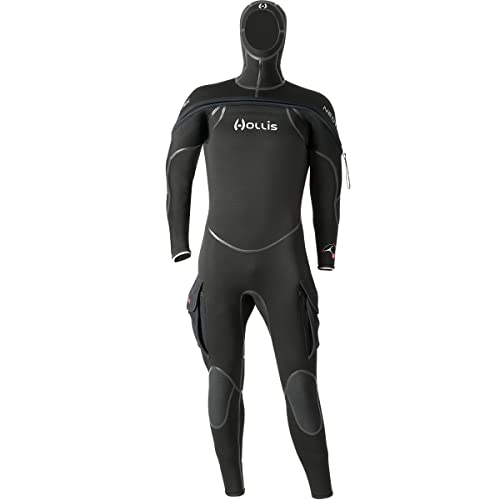
- Thick 8/7/6mm neoprene construction
- ThermaSkin liner and internal sealing dams
- Hooded full-body design for diving
Best For: Cold-water divers wanting substantial insulation
Breathable Shell Value

- Three-layer breathable nylon shell
- Loose fit accommodates layering
- Waterproof horizontal back zipper
Best For: Divers seeking a roomy breathable shell suit
Best for Easy Setup
Mustang Survival Water Rescue Dry Suit

- MilSpec BD6.5 GORE-TEX construction
- Integrated dry socks and high-visibility tape
- Designed for cold-water rescue operations
Best For: Professional water rescue and marine operations
Streamlined Neoprene Fit
O'Neill Men's Fluid 3mm Drysuit

- 3mm Fluid Flex foam neoprene
- Dry seals and welded Fluid seams
- Loose upper with performance lower fit
Best For: Recreational boating and water sports
Women’s Lightweight Expedition Coverage
Hooded Women’s Kayaking & Whitewater Dry Suit

- Lightweight three-layer waterproof construction
- Removable hood, latex seals, and waterproof socks
- Adjustable suspenders, overskirts, and utility pockets
Best For: Women’s kayaking and whitewater paddling
Lightweight Cold-Water Pick
Men's Lightweight Paddling Drysuit

- Three-layer waterproof breathable nylon shell
- Adjustable latex seals and waist webbing
- Front-entry zipper with integrated socks
Best For: Lightweight cold-water paddling, fishing, and rafting
Hooded Kayaking Choice
Waterproof Kayak Drysuit with Stowable Hood

- Three-layer nylon with DWR finish
- Removable hood and sprayskirt-compatible overskirt
- Reflective patches and reinforced comfort zones
Best For: Kayaking and boating in cold, low-light conditions
Reinforced Expedition Option
Kayaking Drysuit with Relief Zipper

- Three-layer fabric with taped waterproof seams
- 600D reinforcement at knees, seat, and sock soles
- Relief zipper and self-draining pockets
Best For: Extended cold-water paddling and abrasion-prone use
Rescue-Ready Protection – NRS Extreme SAR Dry Suit
The NRS Extreme SAR Dry Suit is a practical choice among premium dry suits for rescue and demanding watersports use. Its three-layer TriTon fabric, reinforced high-wear zones, and integrated socks emphasize waterproof protection and durability.
Best For: Search-and-rescue work, paddling, and users who prioritize reinforced protection and easy front entry.
Pros:
- Three-layer TriTon fabric is designed for waterproof-breathable protection.
- Front-entry zipper simplifies putting the suit on and taking it off.
- Latex gaskets, integrated socks, and Cordura reinforcements support dry, durable performance.
Cons:
- Loose fit may feel less streamlined for users seeking a close-fitting suit.
- Hand-wash-only care requires more maintenance than machine-washable options.
With reinforced knees, seat, elbows, and ankle areas, this NRS suit is built for hard use. The red color and modern styling are secondary to its practical protection-focused construction.
Offshore Performance – Men's Pro Drysuit
For sailors comparing premium dry suits, the Men’s Pro Drysuit combines waterproof-breathable XPLORE+ three-layer fabric with windproof construction and PFAS-free water-repellent technology. Its taped seams and waterproof YKK Aquaseal front zipper are suited to severe marine conditions.
Best For: Offshore and inshore sailing, cold-water crossings, and long days on deck in wet, windy weather.
Pros:
- XPLORE+ three-layer fabric is waterproof, breathable, and windproof.
- Fully taped seams and a storm-flap-covered waterproof front zipper help limit water entry.
- Reinforced knees and seat, adjustable suspenders, stretch waist, and fabric socks support active use.
- PFAS-free water-repellent technology and a low-profile thigh pocket add practical features.
Cons:
- Pre-marked neck and cuff seals require trimming for a custom fit.
- Listed in X-Large, so sizing availability should be checked carefully.
This is a feature-rich sailing suit focused on weather protection and mobility. The combination of adjustable internal support and reinforced high-wear areas makes it especially suitable for demanding deck work.
Cold-Water Diving – Hollis NeoTek V2 Hooded Semi-Dry Suit
The Hollis NeoTek V2 is a hooded semi-dry suit for divers who need substantial neoprene insulation rather than a lightweight shell. Its 8/7/6mm construction, ThermaSkin liner, and internal dams are designed to support warmth and reduce water movement.
Best For: Cold-water diving and divers seeking a thick, hooded full-body suit with internal sealing features.
Pros:
- Mixed 8/7/6mm neoprene provides substantial thickness and compression resistance.
- ThermaSkin inner liner is intended to enhance comfort and warmth.
- Internal neck, wrist, and ankle dams help limit water circulation.
- Recycled neoprene production waste supports a more resource-conscious design.
Cons:
- At 8.6 pounds, it is considerably heavier than many shell-style suits.
- As a semi-dry neoprene suit, it is less suited to users wanting a lightweight, fully waterproof dry-suit shell.
- The supplied listing identifies an XX-Large product with an X-Large size map, so fit should be confirmed.
The NeoTek V2 is best evaluated as a warm, protective diving suit. Its thick neoprene and hooded design favor cold-water comfort, while the horizontal front zipper and internal bib add functional coverage.
Breathable Shell Value – O'Neill Boost 300g Drysuit
The O’Neill Boost 300g Drysuit offers a straightforward shell-style option for divers comparing premium dry suits. Its three-layer breathable nylon construction, loose fit, and multiple seals focus on coverage and practical layering.
Best For: Divers who want a breathable nylon shell with a loose fit and a waterproof horizontal back zipper.
Pros:
- Three-layer breathable nylon shell supports dry-suit protection and airflow.
- Loose fit leaves room for layering underneath.
- Neoprene neck seal plus latex wrist and ankle seals help close off openings.
- Waterproof horizontal back zipper provides a secure closure.
Cons:
- Back-zip entry may be less convenient to manage independently than a front-entry design.
- Latex seals can require careful handling and maintenance.
- The supplied size is Medium, so the listed chest, waist, and height measurements should be checked.
This O’Neill model keeps the design focused on breathable shell coverage and layering flexibility. It is a sensible option for divers who prefer a loose-fitting nylon suit and do not need the heavier neoprene construction of a semi-dry model.
Best for Easy Setup – Mustang Survival Water Rescue Dry Suit
For demanding rescue work, this premium dry suit combines MilSpec BD6.5 GORE-TEX construction with integrated dry socks, insulation-focused coverage, and high-visibility detailing. The front zipper and integrated seals are designed to help limit water entry while preserving mobility.
Best For: Cold-water rescue teams and marine professionals who need durable, flexible protection.
Pros:
- MilSpec BD6.5 GORE-TEX fabric supports flexibility and moisture evaporation.
- Integrated GORE-TEX dry socks and seals provide head-to-toe water protection.
- SOLAS retro-reflective tape improves visibility in rescue environments.
- Rugged nylon and neoprene materials are built for harsh marine conditions.
Cons:
- The Large size is specified for a 37-inch waist, so careful sizing is important.
- Custom agency-logo options may require a specialized order.
This is the most mission-focused option in the group, emphasizing durability, visibility, and cold-water comfort over casual recreational use.
Streamlined Neoprene Fit – O'Neill Men's Fluid 3mm Drysuit
This premium dry suit uses 3mm Fluid Flex foam neoprene for warmth and water protection in boating settings. Its loose upper fit, performance-oriented lower fit, dry seals, and welded Fluid seams make it a practical choice for recreational water use.
Best For: Boaters seeking a straightforward 3mm neoprene suit with a performance fit.
Pros:
- 3mm Fluid Flex foam neoprene provides substantial coverage.
- Dry seals and welded Fluid seams support waterproof performance.
- Loose upper and performance lower fit balance comfort with mobility.
- The listed X-Large sizing includes a 43.5–46-inch chest and 35–37-inch waist.
Cons:
- Neoprene construction may feel less lightweight than fabric-based alternatives.
- The listed model is X-Large, limiting immediate fit options for other body sizes.
Compared with the other premium dry suits here, this O’Neill model offers a simpler neoprene design focused on boating comfort and waterproof seam construction.
Women’s Lightweight Expedition Coverage – Hooded Women’s Kayaking & Whitewater Dry Suit
Designed for women who kayak or paddle in cold water, this premium dry suit uses lightweight three-layer waterproof materials with latex seals, waterproof socks, and a removable hood. Its adjustable suspenders, overskirts, and front zipper support mobility and practical layering on the water.
Best For: Women kayakers and whitewater paddlers who prioritize lightweight, full-body coverage.
Pros:
- Three-layer construction is designed to be waterproof, breathable, and lightweight.
- Latex neck and sleeve seals, over-cuffs, and integrated socks help limit water entry.
- Removable hood and adjustable internal suspenders improve versatility and fit.
- Pockets, bungee waist adjustment, and dual-adjustable overskirts add utility.
Cons:
- Latex gaskets require care and may not suit every wearer.
- Hand-wash-only care adds maintenance work.
- The supplied listing is for a women’s Medium, so sizing availability may vary.
This is the most feature-rich recreational option, combining lightweight construction with adjustable coverage for kayaking, paddling, and changing weather.
Lightweight Cold-Water Pick – Men's Lightweight Paddling Drysuit
For shoppers comparing premium dry suits for paddling and cold-water activities, this lightweight one-piece model emphasizes waterproof coverage without adding unnecessary bulk. Its three-layer nylon shell, adjustable seals, front-entry zipper, and integrated socks make it a practical option for kayaking, canoeing, rafting, fishing, and boating.
Best For: Paddlers and anglers who want a lightweight, relaxed-fit dry suit with adjustable closures and built-in socks.
Pros:
- Three-layer waterproof, breathable nylon shell is designed for durability and abrasion resistance.
- Trimmable latex neck and wrist seals, adjustable waist webbing, and hook-and-loop cuffs support a more customized fit.
- Waterproof front-entry zipper and integrated three-ply socks help simplify changing and cold-water use.
- Sleeve Velcro pockets and an inner chest pocket provide storage for small essentials.
Cons:
- The fabric has low stretch, so layering and sizing deserve careful attention.
- Latex, neoprene, and nylon construction may require extra care for users sensitive to these materials.
Its combination of low weight, adjustable seals, storage, and integrated socks makes this a well-rounded premium dry suit for general cold-water paddling, particularly when mobility and easy entry matter.
Hooded Kayaking Choice – Waterproof Kayak Drysuit with Stowable Hood
Waterproof Kayak Drysuit with Stowable Hood Breathable Dry Suit for Men in Cold Water (Large)
Check Price On AmazonAmong premium dry suits for kayaking and boating, this lightweight model stands out for its stowable hood, overskirt, visibility details, and reinforced comfort zones. The three-layer nylon shell is designed to balance waterproof, windproof, and breathable performance for cold-water outings.
Best For: Kayakers and boaters who want hood coverage, sprayskirt compatibility, and added visibility in a relaxed-fit dry suit.
Pros:
- Three-layer nylon with DWR finish is designed for durable waterproof, windproof, and breathable performance.
- Stowable removable hood, latex neck and wrist gaskets, and a waterproof front-entry zipper add versatile coverage.
- Neoprene waist overskirt with double-pull hook-and-loop closure is designed to fit over a sprayskirt tunnel.
- Reflective patches, splashproof chest pockets, and removable knee and drop-seat neoprene patches add practical detail.
Cons:
- The listed care instructions call for hand washing rather than machine washing.
- Its multiple layers, gaskets, hood, and overskirt may feel more involved than a minimalist suit.
This is a strong feature-rich option for paddlers who prioritize hood versatility, sprayskirt integration, and comfort reinforcement over the simplest possible design.
Reinforced Expedition Option – Kayaking Drysuit with Relief Zipper
For buyers seeking premium dry suits with extra reinforcement, this model combines a three-layer waterproof fabric with sealed seams, a relief zipper, and 600D nylon inserts. It is aimed at cold-water kayaking, sailing, paddling, rafting, and related water sports where durable knee, seat, and sock protection can be useful.
Best For: Cold-water paddlers who value reinforced contact areas, accessible storage, and a relief zipper for longer outings.
Pros:
- Three-layer fabric and taped seams are designed to provide waterproof, breathable coverage.
- Latex gaskets with neoprene overcuffs and an adjustable waist belt support a more secure fit.
- Front-entry waterproof zipper and men’s relief zipper allow easier entry and restroom access.
- 600D nylon inserts reinforce the knees, seat, and sock soles, while self-draining pockets and reflective patches add utility.
Cons:
- The fabric has no stretch, which may limit flexibility compared with stretchier designs.
- Hand-wash-only care is less convenient for frequent users.
- This XX-Large listing is relaxed fit, so sizing should be checked carefully before purchase.
With its relief zipper and targeted 600D reinforcements, this suit is particularly compelling for extended or demanding paddling sessions where access and abrasion resistance are priorities.
How We Picked the Best Premium Dry Suits
We evaluated these Premium Dry Suits by looking at the features that matter most in real cold-water use: waterproof construction, seam sealing, fabric breathability, mobility, entry design, hood and gasket coverage, reinforcement, and ease of layering. We also considered intended use, including rescue operations, kayaking, rafting, sailing, fishing, and general paddling.
A dry suit should keep water out while allowing enough freedom of movement to paddle, swim, climb into a boat, or perform a rescue. Because no single design suits every activity, the roundup includes fully waterproof shell suits, insulated and neoprene-based options, women’s-specific designs, and lighter suits for touring or recreational use.
Quick Comparison
- Rescue and professional use: Look for reinforced panels, dependable closures, high-visibility details, and a cut that accommodates active movement.
- Cold-water kayaking and whitewater: Prioritize breathable waterproof fabric, articulated construction, latex or neoprene seals, and a relief zipper.
- Maximum warmth: Choose a suit with room for insulating layers or a thicker neoprene construction designed for colder conditions.
- Lightweight touring: Favor packability, breathability, a stowable hood, and a less bulky fit.
Key Buying Factors for Premium Dry Suits
Waterproofing and Breathability
Check the fabric rating, waterproof zippers, and seam construction. Breathable materials help moisture vapor escape during hard paddling, while fully sealed seams and covered closures are essential for staying dry during immersion.
Fit, Mobility, and Layering
Choose a close but nonrestrictive fit. You should be able to raise your arms, crouch, paddle, and reach equipment without pulling at the shoulders. Leave enough room for base layers and insulation, but avoid excess fabric that can snag or create drag.
Seals, Entry, and Relief Zippers
Neck and wrist seals should sit securely without causing pain or numbness. Front-entry and rear-entry designs have different convenience and assistance requirements. A relief zipper is especially valuable for long outings and may reduce the need to remove layers.
Durability and Maintenance
Reinforced seat, knees, elbows, and lower legs can extend service life in rocky launches or rescue work. Rinse the suit after use, dry it fully, inspect seals and zippers, and follow the manufacturer’s storage instructions.
Who Should Buy Which Premium Dry Suits?
Professional rescuers and guides should prioritize purpose-built rescue suits with rugged construction and reliable visibility. Whitewater kayakers and rafters will generally benefit from breathable suits with articulated patterns, secure seals, and relief zippers. Cold-water touring paddlers should look for lightweight waterproof fabric, layering space, and a comfortable hood system.
Sailors and anglers may prefer windproof designs that provide full coverage without limiting movement. Recreational users should focus on fit, ease of entry, and the temperatures they actually encounter rather than paying for specialized rescue features they will not use. In every case, verify sizing carefully and pair the suit with suitable insulation, footwear, gloves, and a properly fitted personal flotation device.
