
Choosing the right hub can make a bigger difference than many riders expect. The best mountain bike hubs improve engagement, stiffness, durability, and wheel compatibility without wasting money on features you do not need.
Below, we focus on practical options for common axle standards, drivetrains, and brake setups so you can find a hub that fits your bike and your riding style.
Best 10 Mountain Bike Hubs Picks for 2026
Ultralight Disc Hub Set
Lixada 32H MTB Front & Rear Hub
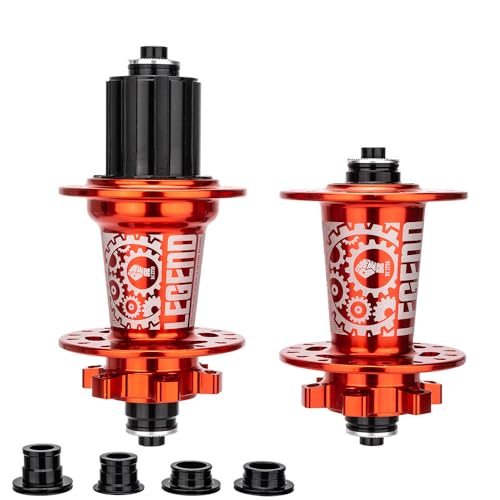
- 7075 aluminum alloy CNC construction
- 32-hole disc brake front and rear hubs
- Fits 8/9/10/11/12/13-speed cassettes
Best For: Riders wanting a lightweight, wide-compatibility MTB hub set
Quick-Release Alloy Pair

- Includes front hub, rear hub, and two skewers
- 36-hole quick-release aluminum design
- Compatible with 5/6/7/8-speed freewheels
Best For: Riders building a simple quick-release MTB wheelset
Boost Disc Replacement

- 32-hole 6-bolt boost front hub
- All-aluminum CNC build with 72HD freehub
- Fits Shimano 8-11 and SRAM 8-10 speed
Best For: Boost-frame riders needing a disc-ready front hub
Budget Quick-Release Pair

- Front and rear quick-release hub pair
- 36-hole aluminum construction
- Disc brake support with 21/24-speed compatibility
Best For: Budget builds needing a basic disc-brake hub pair
Boost Rear Replacement

- 12x148mm Boost rear hub
- 32-hole J-bend disc design
- XD or MS freehub options
Best For: Boost rear wheel replacements with matching cassette standards
Quick-Release Pair

- Front and rear hub pair
- 32-hole 6-bolt disc setup
- Fits HG 8-12 speed cassettes
Best For: Budget quick-release MTB wheel builds
Thru-Axle Front Option

- 110x20mm front hub format
- 32H or 36H spoke options
- 2 sealed bearings for durability
Best For: 20mm thru-axle front wheel builds
Repair-Ready Hub Kit
Front and Rear Disc Brake Wheel Hubs

- 36-hole front and rear hub pair
- Through-shaft design for 6-bolt disc brakes
- Wear-resistant metal with machined bearings
Best For: Replacing worn mountain bike hubs on compatible bikes
QR Rear Hub Pick
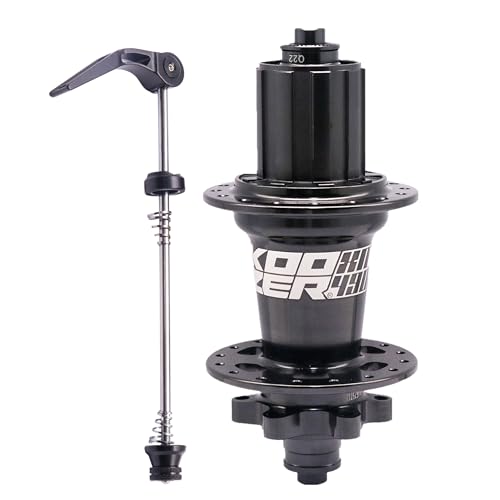
- 32-hole 5x135mm quick-release rear hub
- Shimano 8-11 speed and Sram 8-10 speed compatible
- 6 pawls, 72HD freehub with aluminum alloy CNC build
Best For: Compatible QR riders seeking a lightweight rear hub
Fat Bike Replacement Set
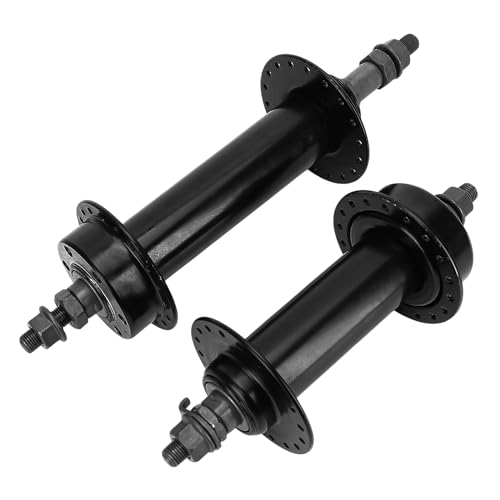
- Made for 20x4.0 and 26x4.0 fat bikes
- 36-hole front and rear hub setup
- 135mm front and 190mm rear spacing listed
Best For: Fat bike riders needing size-specific replacement hubs
Ultralight Disc Hub Set – Lixada 32H MTB Front & Rear Hub
If you’re comparing mountain bike hubs for a lightweight disc-brake build, this Lixada 32H set is aimed at riders who want a CNC-machined aluminum option with broad cassette compatibility. It uses 7075 aluminum alloy, a 32-hole layout, and supports 8/9/10/11/12/13-speed cassettes.
Best For: Riders wanting an ultralight front-and-rear MTB hub set with disc brake support and wide speed compatibility.
Pros:
- 7075 aluminum alloy construction with CNC machining for a lightweight, durable feel
- 32-hole front and rear hub design with disc brake support
- Compatible with 8 through 13-speed cassettes
- Six-claw base and high-density sawtooth engagement for efficient power transfer
Cons:
- Sold as a 32H setup, so it only fits wheel builds using that drilling count
- Specific axle standards and fitment details may need checking before purchase
- Not presented as a universal fit for every MTB wheelset
Overall, this is a strong choice if you want a modern disc hub set with lightweight alloy construction and broad drivetrain support. The emphasis here is on efficient engagement and compatibility rather than a highly specialized race-only design.
Quick-Release Alloy Pair – 36H MTB Hub Set with Skewers
For a straightforward set of mountain bike hubs, this 36-hole quick-release pair focuses on practical fit and easy serviceability. The package includes a front hub, rear hub, and two skewers, with aluminum construction and compatibility for 5/6/7/8-speed rotary freewheels.
Best For: Riders who want a basic quick-release hub pair for a 36-hole wheel build and common drivetrain setups.
Pros:
- Includes front hub, rear hub, and two quick-release skewers
- 36-hole drilling suits many traditional wheel builds
- Compatible with 5/6/7/8-speed rotary freewheels
- Precision-machined steel bearings and low-friction seals help keep the ride smooth
Cons:
- Quick-release design may not suit newer thru-axle builds
- Compatibilty is limited to common lower-speed freewheel setups
- No disc-brake-specific hardware is highlighted in the notes
This is a practical, no-frills hub pair for riders working with older or simpler wheel standards. If your build is based on 36 holes and quick release, it covers the essentials without adding unnecessary complexity.
Boost Disc Replacement – XM490 Pro Boost Front Hub
This BestParts XM490 Pro Boost hub is a mountain bike hubs option for riders needing a 32-hole, 6-bolt disc brake front hub with a modern boost-style fit. The notes call out an all-aluminum CNC build, a 72HD freehub system, and compatibility with Shimano 8-11 speed and SRAM 8-10 speed.
Best For: Riders looking for a 32-hole boost front hub with disc brake mounting and high-engagement freehub features.
Pros:
- 32-hole 6-bolt disc brake hub with boost sizing noted as 15x110mm
- All-aluminum alloy CNC construction for a lightweight, durable build
- Classic 6-pawl, 72HD freehub system for efficient engagement
- Compatible with Shimano 8-11 speed and SRAM 8-10 speed systems
Cons:
- Package notes indicate this is a front hub, not a full hub set
- Compatibility is limited to the drivetrains listed in the notes
- Fitment depends on matching the stated boost dimensions
For a rider replacing or upgrading a boost front hub, this model brings modern disc-brake support and a high-engagement freehub design. It is best suited to builds that already match the stated spacing and drilling requirements.
Budget Quick-Release Pair – 36H Disc Brake MTB Hubs
If you want a simple set of mountain bike hubs for a disc-brake wheel build, this 36-hole quick-release pair keeps the focus on compatibility and straightforward installation. The notes describe an aluminum set with front and rear disc brake support and compatibility with 21/24-speed rotary flywheels.
Best For: Riders who need an affordable quick-release hub pair for a 36-hole disc-brake setup.
Pros:
- Front and rear hub pair with quick-release hardware included
- 36-hole drilling works with many standard wheel builds
- Supports front disc brake and rear disc brake use
- Compatible with 21/24-speed rotary flywheels
Cons:
- Quick-release format may not match newer thru-axle frames
- Only the drivetrain compatibility listed in the notes is confirmed
- Not described as a high-engagement or performance-focused hub set
As a budget-friendly option, this hub pair covers the core needs of a basic disc-brake mountain bike build. It is a solid fit when you need a standard 36-hole setup rather than a more advanced or specialized hub.
Boost Rear Replacement – XM450 12x148mm Rear Hub
If you’re shopping for mountain bike hubs for a Boost rear wheel build, this XM450-style rear hub is aimed at riders who need a 12x148mm thru-axle fit with a 32-hole J-bend setup. It supports XD or MS freehub options, so it can match different Shimano 11-12 speed or Shimano 12-speed drivetrain needs depending on the freehub body chosen.
Best For: Riders replacing a Boost rear hub on a 12x148mm MTB wheel and matching either XD or MS cassette standards.
Pros:
- 12x148mm Boost rear hub format for modern MTB frames
- 32-hole J-bend design for common wheel builds
- Aluminum 6061 and 7075 construction keeps weight to 215g
- XD or MS freehub option broadens drivetrain compatibility
Cons:
- Rear hub only, so it does not cover a full wheelset
- Freehub body is choice-dependent, so compatibility must be selected carefully
- J-bend spoke setup may not suit every wheel build preference
This is a practical replacement choice if you already know your frame spacing and cassette standard. The lightweight build and Boost rear dimensions make it a focused option for riders rebuilding a compatible MTB rear wheel.
Quick-Release Pair – 32H Front and Rear HG Hubs
For riders comparing mountain bike hubs on a budget, this quick-release pair covers both front and rear wheel needs with a 32-hole HG-compatible setup. The front hub uses 2 sealed bearings and the rear hub uses 4 sealed bearings, and the set is built around 100mm front and 135mm rear quick-release spacing for Shimano HG 8-12 speed cassettes.
Best For: Riders who want an affordable quick-release front and rear hub set for HG 8-12 speed builds.
Pros:
- Includes both front and rear hubs in one package
- 32 spoke holes and 6-bolt disc brake compatibility
- 2 sealed bearings front, 4 sealed bearings rear
- Aluminum alloy body with steel axle and steel ball structure
Cons:
- Quick-release spacing is not for thru-axle frames
- Built for HG systems, so it won’t suit other cassette standards
- Compatibility should be checked against fork, frame, and wheelset before buying
This set makes sense if you want a straightforward hub replacement for a conventional quick-release MTB. It focuses on value and broad HG drivetrain support rather than modern Boost or thru-axle standards.
Thru-Axle Front Option – 20mm MTB Disc Front Hub
This front mountain bike hub is designed for riders building or replacing a front wheel with a 110x20mm disc brake setup. It comes in 32H or 36H versions and uses 2 sealed bearings, making it a focused option for a thru-axle front wheel where spoke count and axle fit need to match exactly.
Best For: Riders needing a 20mm thru-axle front MTB hub with either 32H or 36H spoke options.
Pros:
- 110x20mm front hub format for thru-axle setups
- Available in 32H and 36H spoke counts
- 2 sealed bearings help resist dust and moisture
- Aluminum 6061 hub body keeps weight and durability balanced
Cons:
- Front hub only, so it is not a complete wheel solution
- Only fits bikes and forks designed for 20mm front axle compatibility
- Disc brake specification and spoke count must match your build exactly
As a front-only hub, this model is best when you already know your fork standard and spoke pattern. It is a practical replacement or custom-build part for riders prioritizing a 20mm thru-axle MTB front wheel.
Repair-Ready Hub Kit – Front and Rear Disc Brake Wheel Hubs
If you need a practical fix for mountain bike hubs, this 36-hole front and rear kit is built around a through-shaft design for straightforward replacement and repair. It’s aimed at riders who want a durable metal hub set for 6-bolt disc brakes and a simple way to restore a bike with standard 140mm front and 175mm rear axle lengths.
Best For: Riders replacing worn front and rear mountain bike hubs on 36-hole, 6-bolt disc brake setups.
Pros:
- Metal construction is described as wear-resistant and durable.
- Front and rear hubs are included in one kit.
- Designed for 36-hole wheels with 6-bolt disc brake compatibility.
- Precision machined metal bearings are meant for smooth, safe, quick rolling.
Cons:
- Limited to through-shaft style compatibility.
- Fitment depends on the listed 140mm front and 175mm rear axle lengths.
- Basic repair-focused design, not a feature-heavy performance hub.
Overall, this is a straightforward replacement set for riders focused on repair and compatibility rather than upgrades. If your bike matches the 36-hole, 6-bolt, through-shaft format, it offers a simple path back to riding.
QR Rear Hub Pick – XM490 PRO 5x135mm Rear Hub
This mountain bike hub is a rear quick-release option for riders who want a lightweight disc brake hub with a Shimano-compatible HG freehub. The XM490 PRO uses a 32-hole, 5x135mm layout and a 6-pawl, 72HD system, making it a strong pick for everyday trail and street use where reliable engagement matters.
Best For: Riders wanting a lightweight QR rear hub with Shimano 8-11 speed compatibility.
Pros:
- Compatible with Shimano 8-11 speed and Sram 8-10 speed.
- 6 pawls and 72HD freehub system for efficient power transfer.
- All-aluminum alloy CNC construction keeps weight down.
- Includes one quick release lever.
Cons:
- Rear hub only, so it does not cover a full wheel set.
- Designed for 5x135mm QR setups, so fitment is specific.
- Only 32 holes, which may not suit every wheel build.
For riders building or replacing a rear hub on a compatible QR bike, this model balances light weight, speed compatibility, and a more aggressive freehub design. It’s a focused option if your frame and drivetrain match the listed specs.
Fat Bike Replacement Set – 36-Hole Fat Tire Bike Hubs
These mountain bike hubs are aimed at fat-tire bikes and snow-bike builds that need a practical replacement part with large spacing and 36-hole drilling. With a 135mm front hub and a 190mm rear hub listed, this set is positioned for 20×4.0 and 26×4.0 fat bike use rather than standard trail bikes.
Best For: Fat bike owners needing replacement hubs for 20×4.0 or 26×4.0 setups.
Pros:
- Built for fat tire bike sizes, including 20×4.0 and 26×4.0.
- Includes both front and rear hub dimensions in one listing.
- 36-hole drilling supports common wheel build needs.
- Quick repair focus makes it useful as a replacement part.
Cons:
- Not intended for standard mountain bike spacing.
- Material is listed as carbon steel, not aluminum.
- Warranty is only two months.
If your bike is a fat tire or snow setup, this hub pair gives you the size-specific dimensions to look for in a replacement. It’s less about general compatibility and more about matching the exact wide-bike format.
How We Picked These Mountain Bike Hubs
We prioritized real-world fit and function first: axle standard, hole count, rotor compatibility, freehub interface, bearing quality, and whether the hub matches the wheel build you already have or plan to build. We also looked for options that cover the most common MTB use cases, from quick-release setups to Boost thru-axle frames.
Quick Comparison: What Matters Most
If you are comparing Mountain Bike Hubs quickly, start with three checks: axle type, spacing, and drivetrain standard. A hub can look similar on paper but still be incompatible if the spacing is wrong or the freehub body does not match your cassette. After that, compare engagement and bearing count if you care about faster pickup and longer service life.
Key Buying Factors for Mountain Bike Hubs
Axle Standard and Spacing
Match the hub to your fork and frame first. Common options include quick release, 12×148 Boost, 20mm thru-axle, and fat-bike spacing. Incorrect spacing is the most common purchase mistake.
Rotor Mount and Drivetrain Compatibility
Make sure the disc mount style fits your rotor system, and confirm the freehub body works with your cassette. HG remains common, while XD and Microspline-style systems require more specific matching. For riders upgrading drivetrains, this is often the deciding factor.
Bearings, Engagement, and Construction
Sealed bearings generally offer better weather resistance and lower maintenance. More pawls or higher engagement can improve acceleration feel, but they are not automatically better for every rider. A well-made hub with solid machining and good seals may be the smarter choice for endurance and mixed conditions.
Hole Count and Wheel Build
Choose 32-hole or 36-hole hubs to match your rim and spoke plan. Higher spoke counts can add strength for heavier riders, cargo use, or rough terrain, while 32-hole builds usually balance weight and durability well for most mountain bikes.
Who Should Buy Which Mountain Bike Hubs?
Choose a quick-release hub if you are replacing an older wheel or building a budget-friendly trail bike. Go Boost or thru-axle if your frame already uses modern spacing and you want a stiffer rear end. Pick a higher-engagement hub if you ride technical terrain and want faster power transfer. For fat bikes, only consider hubs made for the wider spacing and axle format your frame requires.
In short, the best Mountain Bike Hubs are the ones that match your bike exactly and support the way you ride. If you confirm compatibility first, it becomes much easier to narrow down the right balance of price, durability, and performance.
