
When winter hits, choosing the right bike tires can make all the difference in your safety and performance on icy roads. With so many options available, it’s essential to understand what features matter most, whether it’s grip, puncture protection, or stability. While some tires excel in harsh conditions, others offer robust traction for mountain biking. Let’s explore the top choices that could keep you agile and secure during your winter rides.
Schwalbe Marathon Winter Plus bicycle tire // 42-622 (28×1.60´´)

If you’re tackling winter rides in icy conditions, the Schwalbe Marathon Winter Plus bicycle tire (42-622, 28×1.60´´) is an excellent choice. Made from durable rubber, this tire guarantees safer journeys with full control on slick surfaces. The unique spikes excel on ice at a lower pressure, giving you the grip you need. If you’re riding on ice-free roads, simply increase the maximum pressure to reduce noise. Plus, the SmartGuard layer provides superior puncture protection, so you can focus on your ride without worrying about flats. Equip your bike with these tires, and conquer winter with confidence!
Best For: Winter cyclists seeking reliable performance on icy roads and snow-covered paths.
Pros:
- Superior Grip: Spikes provide excellent traction on icy surfaces, enhancing safety during winter rides.
- Puncture Protection: The SmartGuard layer effectively minimizes the risk of flats, allowing for worry-free cycling.
- Adjustable Pressure: The ability to adjust tire pressure for ice or dry conditions gives versatility for different riding environments.
Cons:
- Noise on Dry Roads: Higher pressure may lead to increased noise levels when riding on ice-free surfaces.
- Weight: The added puncture protection and spikes may make these tires heavier compared to standard options.
- Limited Use: Primarily designed for winter conditions, making them less suitable for year-round cycling.
Schwalbe bicycle tires winter WIC spike // all sizes

For cyclists tackling winter conditions, the Schwalbe winter WIC spike tires stand out as an excellent choice, especially if you prioritize control on icy surfaces. Available in all sizes, these clincher tires feature a durable polyamide construction and a Kevlar Guard for added protection. With a pressure range of 30-70 psi, you can find the perfect balance for your ride. The WIC spike tires boast half the amount of spikes compared to other models, providing superior grip during extreme cornering. Manufactured in Taiwan, these tires guarantee you stay safe and agile on glassy ice, making winter riding a breeze.
Best For: Cyclists seeking reliable performance and control on icy winter roads.
Pros:
- Excellent grip and control on glassy ice due to optimized spike design.
- Durable material with Kevlar Guard provides added protection against punctures.
- Available in various sizes to fit different bike types and preferences.
Cons:
- May have reduced traction on non-icy surfaces due to fewer spikes.
- Higher pressure range might not suit all riders’ comfort preferences.
- Limited availability might affect selection for specific bike sizes.
Hycline 2-Pack Mountain Bike Tires Set

The Hycline 2-Pack Mountain Bike Tires Set is an excellent choice for winter riders who tackle diverse terrains, thanks to its aggressive tread design that enhances grip on slippery surfaces. These 26×1.95-inch tires offer strong puncture and wear resistance, making them reliable for off-road adventures. You’ll appreciate the tight convex knobs that deliver exceptional traction and braking performance on hard surfaces. Each set includes inner tubes and tire levers, ensuring a hassle-free installation process. Constructed from durable butyl rubber, the inner tubes effectively dampen vibrations, enhancing your overall riding experience. Get ready to conquer winter trails with confidence!
Best For: Winter riders seeking reliable mountain bike tires that perform well on diverse terrains and slippery surfaces.
Pros:
- Durable construction with high-quality rubber and nylon cord for strong puncture and wear resistance.
- Aggressive tread design enhances grip and traction on various surfaces, including mud and snow.
- Includes necessary accessories for easy installation and maintenance, making it user-friendly for all skill levels.
Cons:
- Tires are folded for shipping, requiring careful arrangement before installation.
- May not suit riders looking for tires specifically designed for road biking or smoother surfaces.
- Limited PSI range (30-80) might not meet the preferences of all riders for specific performance needs.
WEEROCK Fat Snow Bicycle Tire for E-Bike (20×4.0/26×4.0)
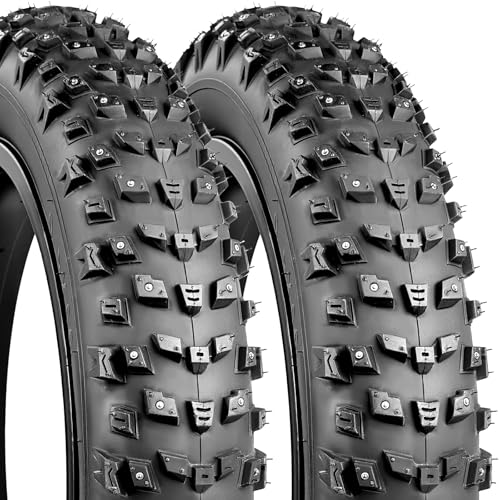
Looking for a reliable tire that can tackle winter’s toughest conditions? The WEEROCK Fat Snow Bicycle Tire for E-Bike is your go-to choice. With a robust 4.0-inch width, it offers exceptional stability and traction on snow and ice. Designed for versatility, these tires fit 20-inch rims, making them perfect for e-bikes, fat-tire mountain bikes, and cruisers. Inflatable to a low 5-30 PSI, they absorb shocks for a smooth ride. Their durable rubber compound guarantees longevity, while the off-road tread pattern enhances grip. For peak performance, consider professional installation to keep your winter rides safe and enjoyable.
Best For: The WEEROCK Fat Snow Bicycle Tire is best for e-bike riders and fat-tire bike enthusiasts looking for reliable performance in snowy and icy conditions.
Pros:
- Exceptional stability with a 4.0-inch width, providing better ground contact and balance.
- Versatile compatibility with various bike types, including e-bikes, mountain bikes, and cruisers.
- Shock absorption capabilities due to low-pressure inflation (5–30 PSI), ensuring a smoother ride over bumps.
Cons:
- Professional installation is recommended for optimal performance, which may incur additional costs.
- Weight of 1.8 kg per tire may be heavier than standard tires, potentially affecting bike handling.
- Limited to 20-inch rims, which reduces compatibility with other bike sizes.
Schwalbe Marathon Winter Plus bicycle tire // 35-622 (28×1.35´´)

Designed specifically for winter conditions, the Schwalbe Marathon Winter Plus bicycle tire (35-622 or 28×1.35´´) is perfect for cyclists who refuse to let icy roads hold them back. With integrated spikes, you’ll enjoy full control on slippery surfaces, ensuring safer journeys. The SmartGuard layer provides excellent puncture protection, so you won’t have to worry about flats. For the best performance, keep the pressure low on ice to maximize spike effectiveness, while high pressure minimizes noise on clear roads. This tire offers enhanced grip and stability, making it ideal for various winter cycling scenarios. Get ready to ride confidently!
Best For: Cyclists who need reliable traction and safety on icy winter roads.
Pros:
- Excellent grip and control on slippery surfaces due to integrated spikes.
- SmartGuard layer offers superior puncture protection.
- Versatile performance for various winter cycling scenarios.
Cons:
- May require lower tire pressure for optimal spike performance on ice.
- Can be noisier on clear roads at lower pressures.
- Specialized design may not be suitable for non-winter conditions.
20×4.0/26×4.0 Studded Snow Bike Tires for Off-Road Cycling

When you need reliable traction for off-road cycling in harsh winter conditions, the 20×4.0/26×4.0 studded snow bike tires are your ideal choice. These tires feature deep, aggressive tread patterns and durable steel studs, ensuring maximum grip on snow, ice, and sand. You’ll appreciate their superior anti-slip performance, thanks to reinforced studs and a flexible rubber compound. Available in two sizes, they fit various fat tire bikes and all-terrain bicycles. Constructed with high-quality, puncture-resistant material, these tires are built for rugged use. Plus, installation is simple, with clear guidelines for maintenance to keep your tires in top shape all season.
Best For: Off-road cyclists looking for reliable traction and performance in extreme winter conditions.
Pros:
- Superior grip on snow, ice, and sand due to deep tread patterns and steel studs.
- Versatile sizing (20×4.0 and 26×4.0) compatible with various fat tire bikes and all-terrain bicycles.
- Durable, puncture-resistant construction ensures long-lasting reliability on rugged terrains.
Cons:
- May be overkill for casual riders who do not frequently encounter harsh winter conditions.
- Heavier than standard tires, which could affect overall bike performance.
- Installation may require specific tools or expertise for optimal fit on some bike models.
Mountain Bike Tires 24/26×1.95 Inch 2-Pack

If you’re an adventurous rider tackling winter trails, the Mountain Bike Tires 24/26×1.95 Inch 2-Pack is your go-to choice. These rugged tires are made from durable Thai natural rubber, ensuring they withstand the toughest conditions. With a puncture-resistant design, you’ll ride confidently over sharp debris and rough terrains like mud and gravel. The included butyl rubber inner tubes enhance shock absorption, giving you a smoother experience on bumpy paths. Plus, the standard size allows for easy installation and quick swaps using the included levers. Perfect for trail, commuter, and off-road biking, these tires guarantee a worry-free ride this winter.
Best For: Adventurous riders seeking rugged durability and performance on winter trails and rough terrains.
Pros:
- Puncture-resistant design protects against sharp debris for worry-free rides.
- All-terrain performance is suitable for various surfaces including mud, rocks, and gravel.
- Easy installation with standard sizing and included tire levers for quick swaps.
Cons:
- May not be suitable for very narrow or specialized bike frames.
- The rugged design could result in a slightly heavier tire compared to road tires.
- Limited size range may not fit all mountain bike models.
Factors to Consider When Choosing Bike Tires for Winter
When choosing bike tires for winter, you need to take into account several key factors. Tire type, tread pattern, and whether to go for spike or studded options can all impact your ride. Plus, don’t forget about size compatibility and puncture resistance features to guarantee a safe and smooth journey.
Tire Type Selection
Choosing the right bike tires for winter riding is essential for ensuring safety and performance on icy and snowy roads. You should look for tires specifically designed for these conditions, especially those with integrated spikes for better traction on ice. Puncture protection features, like a SmartGuard layer, can help prevent flats from sharp debris hidden under the snow. Tire width matters too; wider tires offer improved stability and grip, which is vital for maintaining control on slippery surfaces. Additionally, consider tires that allow for lower pressure inflation, enhancing shock absorption for a more comfortable ride over uneven winter terrains. These factors will help you navigate winter roads more safely and confidently.
Tread Pattern Importance
A well-designed tread pattern is essential for winter bike tires, greatly enhancing your traction on icy and snowy surfaces. Look for deep, aggressive tread designs that effectively channel water away, reducing the risk of hydroplaning on wet roads. Tires with raised knobs or studs dig into icy terrain, improving your grip and handling during cornering. A wider tire with a pronounced tread pattern increases your ground contact area, enhancing balance and minimizing skidding. Remember that proper tire pressure also plays a role; lower pressure in aggressive tread tires boosts performance on soft snow, while higher pressure helps reduce noise and improves efficiency on clear roads. Choosing the right tread pattern makes all the difference for safe winter riding.
Spike vs. Studded
If you’re traversing icy roads or tackling snowy trails this winter, understanding the difference between spike and studded tires is essential. Spike tires, like the Schwalbe Marathon Winter Plus, have integrated spikes that provide exceptional traction on ice, allowing you full control. On the other hand, studded tires, such as the 20×4.0/26×4.0 Studded Snow Bike Tires, feature deep tread patterns and reinforced steel studs for maximum grip on various terrains, including snow and sand. If you often ride on icy surfaces, spike tires perform best at lower pressures, while studded tires excel in versatility. Keep in mind that the arrangement of spikes can impact handling, so choose based on your typical winter riding conditions for peak performance.
Size and Compatibility
When it comes to winter riding, guaranteeing the right tire size and compatibility with your bike is vital for ideal performance and safety. You need to match the tire size to your bike’s rim specifications, as an improper fit can lead to safety issues and decreased performance. Common winter tire sizes like 28×1.35’’ and 28×1.60’’ cater to various bike types, from road to mountain bikes. It’s important to check compatibility with your bike’s frame and fork, as wider tires might not fit in tighter spaces, affecting maneuverability. Additionally, consider the tire’s pressure range, which varies by size, to guarantee effective operation in winter conditions. Choosing the right fit enhances traction and control on icy surfaces, making your ride safer.
Puncture Resistance Features
While winter riding can be exhilarating, puncture resistance is essential for keeping you safe and mobile on icy trails and rough terrains. The risk of encountering sharp debris increases dramatically, so choosing tires with specialized layers, like SmartGuard, can provide an extra barrier against punctures. High-quality construction materials, such as durable rubber and nylon, also greatly enhance your tires’ durability. Look for tires with a higher TPI (threads per inch), as this boosts flexibility and strength, reducing puncture risks while still performing well on slippery surfaces. Finally, make certain your tires are properly inflated; under-inflated tires are more prone to damage from sharp objects and the challenges of winter conditions. Prioritize these features to guarantee a safer ride.
Pressure Range Considerations
Choosing the right tire pressure is essential for winter biking, especially after considering the puncture resistance features that keep you safe on rough terrains. The pressure range of your bike tires greatly affects their performance on icy surfaces. Lower tire pressure is generally recommended, as it increases the contact area with the ground, enhancing grip and control on slippery roads. However, inflating your tires to maximum pressure can reduce noise and boost efficiency on dry, ice-free paths, though it may compromise your grip when it’s icy. Always check the manufacturer’s specifications for ideal pressure; exceeding it can lead to tire damage and safety risks. Regularly monitor your tire pressure, as winter temperature fluctuations can affect performance.
Material Durability Factors
As you prepare for winter riding, understanding material durability factors is fundamental for selecting the right bike tires. The rubber compound considerably impacts how well tires withstand cold temperatures without becoming brittle. Look for tires designed specifically for winter, as they often feature additional layers to enhance puncture resistance—crucial for traversing icy terrain. Tread design also matters; aggressive patterns improve grip while reducing wear from abrasive surfaces like snow and ice. A higher TPI (threads per inch) can boost flexibility and durability, allowing tires to adapt better to varied winter conditions. Finally, regular maintenance and inspection for cracks or wear are essential to guarantee your tires remain durable throughout the harsh winter months.
Weather Conditions Impact
When winter weather hits, understanding how it impacts your bike tires is vital for safe riding. Ice, snow, and cold temperatures can notably affect tire performance and grip. For icy roads, look for tires with integrated spikes or specialized tread patterns that enhance traction and control. You’ll also want to take tire pressure into account; lower pressures often provide better grip on ice, while higher pressures can reduce noise on clear roads. Puncture protection is essential during winter, as road debris is more common, so choose tires with reinforced layers. Finally, evaluate your terrain—urban roads may need different specifications than off-road trails to guarantee peak performance. Making the right choices keeps you safe and agile all winter long.
