
A saddle that feels comfortable on a short test ride may feel very different after 30 minutes. For older riders, the right choice depends less on maximum padding than on stable support, bike fit, and how upright you sit.
These 10 options span wide cruiser seats, suspension-equipped saddles, noseless designs, and models aimed at exercise bikes. Use the guide below to narrow down the shape and features that suit your rides.
Best 10 Bike Saddles for Seniors Picks for 2026
Best Vented Cruiser Seat
Cloud-9 Cruiser Select Airflow CS
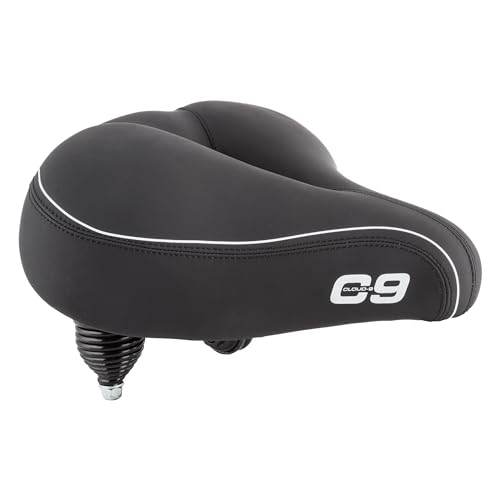
- 10.5-inch-wide memory-foam seat
- Vented pressure-relief cutout
- 3.2-pound listed weight
Best For: Cruiser riders wanting airflow and a center cutout
Best Narrow-Front Option
Gincleey Wide Comfort Bike Seat

- 8.2-inch-wide padded seat
- Narrow front and hollow center
- Shock-absorbing rubber balls
Best For: Riders seeking cushioning with more thigh clearance
High-Capacity Pick
Twomaples Extra-Wide Cushioned Bike Seat

- Extra-wide, concave-style support
- Memory foam, gel, and shock springs
- 650-pound compression-test claim
Best For: Riders seeking a broad, cushioned seat
Backrest-Style Pick
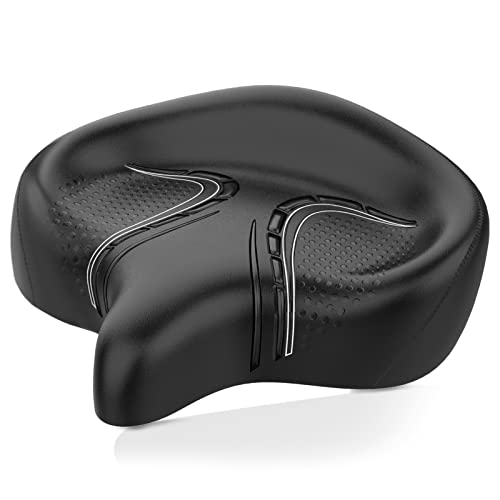
- 13.8-inch-wide seating area
- Raised rear and short nose
- Round 7/8-inch adapter; verify fit
Best For: Upright riders seeking broad, backrest-style support
Ventilated Pick

- Wide, thick foam cushion
- Dual-spring suspension
- Ventilated center channel
Best For: Riders seeking airflow and spring cushioning
Best Simple Pick

- Noseless front reduces thigh contact
- 13.5-inch-wide seating area
- 2.96-inch wing-shaped padding
Best For: Riders seeking less inner-thigh contact
Best Oversized Cushion – Wide Bicycle Seat Replacement
For shoppers comparing bike saddles for seniors, this 10.5-inch-wide seat offers a broad, memory-foam-padded surface for a more supported upright ride. Its two shock-absorbing balls are designed to soften bumps on uneven routes.
Best For: Riders who want a wide replacement seat for a cruiser, exercise bike, mountain bike, or e-bike.
Pros:
- Wide 11-by-10.5-inch seating surface with thick cushioning.
- Dual shock-absorbing balls help cushion rough pavement.
- Waterproof, easy-clean faux-leather cover and rear reflective strip.
Cons:
- 250-pound stated weight capacity may rule it out for some riders.
- The broad profile may not suit riders who prefer room to shift position.
Check your current seat mount before ordering; a universal clamp adapter is included. This is a practical pick when width and cushioning matter more than a compact saddle shape.
Best Suspension Choice – Bikeroo Wide Cruiser Saddle
The Bikeroo is one of the more adaptable bike saddles for seniors who ride both indoors and outside. Its wide, supportive memory-foam seat is designed for upright riding, with steel-spring and elastomer suspension options for different surfaces.
Best For: Upright riders who switch between stationary cycling and outdoor routes, or who need a higher stated weight capacity.
Pros:
- Steel springs suit bumpier rides; elastomer suspension suits smoother or stationary rides.
- 350-pound stated weight capacity.
- Includes mounting tools, a seat adapter, instructions, and a cover.
Cons:
- The wide cruiser shape may feel bulky to riders accustomed to narrow saddles.
- Choosing and setting up the suspension option adds a step to installation.
Its firm cushioning and suspension choices make it worth considering if your riding conditions vary. Confirm your bike’s seat-mount arrangement before swapping saddles.
Best Vented Cruiser Seat – Cloud-9 Cruiser Select Airflow CS
Among bike saddles for seniors who prefer an upright cruiser position, the Cloud-9 stands out for its wide memory-foam seat and vented center cutout. The cutout is intended to reduce pressure in sensitive areas while allowing airflow.
Best For: Cruiser riders seeking a wide saddle with a pressure-relief cutout and road-vibration damping.
Pros:
- 10.5-inch-wide seat with multi-stage memory foam.
- Vented anatomic cutout provides space for pressure relief and airflow.
- Steel rails and elastomer suspension help absorb road vibration.
Cons:
- At 3.2 pounds, it is a relatively substantial seat to add to a bike.
- 250-pound stated weight capacity may not fit every rider.
This is a cruiser-focused option rather than a compact performance saddle. The cutout is a useful feature to consider, though saddle comfort still depends on your fit and riding position.
Best Narrow-Front Option – Gincleey Wide Comfort Bike Seat
For riders browsing bike saddles for seniors but wary of an extra-wide nose, this Gincleey seat combines an 8.2-inch-wide padded rear with a narrower front designed to give the thighs room to move. A hollow center adds ventilation.
Best For: Riders who want cushioning and bump absorption without the widest cruiser-style seat.
Pros:
- High-density memory-foam padding and under-seat shock-absorbing rubber balls.
- Narrower front and hollow center address thigh clearance and airflow.
- Rear reflective strip and mounting wrench included.
Cons:
- At 8.2 inches wide, it offers less seating width than the larger cruiser saddles here.
- The seller advises checking your bike’s seat-post gauge to avoid a mounting mismatch.
This is the better fit of the group for someone seeking a moderately wide shape rather than maximum saddle width. Measure your existing mount before relying on the advertised universal fit.
High-Capacity Pick – Twomaples Extra-Wide Cushioned Bike Seat
For shoppers comparing bike saddles for seniors, this Twomaples seat offers a broad sitting area, memory-foam-and-gel cushioning, and two shock-absorbing spring balls. It is intended for a range of upright, electric, and exercise bikes.
Best For: Riders who want an extra-wide seat with substantial cushioning and a stated 650-pound compression-test limit.
Pros:
- Wide, concave-style base is designed to support the hips and sit bones.
- Shock-absorbing spring balls help soften bumps.
- Includes mounting tools and a seat adapter; the narrow front leaves room for thigh movement.
Cons:
- Exercise bikes with a triangular seat connector require a separate adapter.
- The oversized shape may not suit riders who prefer a narrow saddle.
This is a practical option when generous width and bump absorption matter most. Check your bike’s seat connection before ordering, particularly for a stationary bike.
Backrest-Style Pick – BLUEWIND Oversized Bike Seat
Among bike saddles for seniors, the BLUEWIND stands out for its wide seat and raised backrest-style rear. Its thick foam, short nose, and dual shock absorption may appeal to riders who prioritize an upright, supported feel.
Best For: Upright riders who want a broad cushion with backrest-style support and can confirm a compatible seat mount.
Pros:
- 13.8-inch-wide saddle provides a large sitting area.
- Short nose is designed to reduce thigh rubbing.
- Dual shock absorption and included mounting wrench add everyday practicality.
Cons:
- Included round adapter is specified for a 7/8-inch post, not triangular exercise-bike connectors.
- Supplied specifications conflict on maximum load: the notes cite a 350-pound compression test but also list a 265-pound weight capacity.
The backrest-style shape is its main distinction, but measure your seat post first. Given the conflicting load figures, confirm the applicable rider-weight rating with the seller if capacity is a deciding factor.
Noseless Pick – Twomaples Wide Noseless Bike Seat
If pressure at the front of a conventional saddle is your concern, this is a distinctive choice among bike saddles for seniors. The Twomaples noseless design pairs an extra-wide, concave-style base with memory foam, cooling gel, and shock-absorbing gel balls.
Best For: Riders who prefer a wide, noseless sitting area with less saddle protrusion between the thighs.
Pros:
- Shortened front is designed to limit thigh contact.
- Non-slip surface helps keep the rider positioned on the cushion.
- Includes mounting tools and an adapter; the base has a stated 580-pound compression-test limit.
Cons:
- A triangular exercise-bike seat connector requires an additional adapter.
- The noseless shape may take adjustment for riders accustomed to a standard saddle.
Choose this model primarily for its reduced front protrusion, not just its padding. As with any replacement seat, confirm the mount and consider whether a noseless shape suits your riding position.
Widest Seat – CDYWD Oversized Wing Saddle
For shoppers comparing bike saddles for seniors, this CDYWD seat offers a particularly broad 14-by-12-inch sitting area with thick, wing-shaped foam. It is worth considering if your current saddle feels too narrow on an upright bike.
Best For: Riders who want a very wide, padded seat for a cruiser, e-bike, or exercise bike.
Pros:
- 2.36-inch wing-shaped foam padding spreads support across a broad seat.
- Shock-absorbing design is intended to soften bumps.
- Waterproof PU surface and included universal adapter add everyday practicality.
Cons:
- Its 14-by-12-inch footprint may feel bulky if you prefer a narrow saddle.
- Raised sides may not suit every rider’s preferred seating position.
With a stated 330-pound maximum capacity and compatibility with standard clamp-ring or dual-rail seatposts, this is a comfort-first replacement. Check available space around your bike before choosing such a wide seat.
Among bike saddles for seniors, the DAWAY C30 stands out for combining thick foam with a center ventilation channel and dual metal springs. It offers a practical mix of cushioning, airflow, and bump absorption for indoor or outdoor riding.
Best For: Riders who want a wide saddle with ventilation and spring suspension.
Pros:
- High-density foam provides a cushioned, widened seating area.
- Dual metal springs provide up to 12 mm of elastic buffering.
- Center hollow and groove design improves airflow; a protective cover is included.
Cons:
- Exercise bikes with a triangular metal seat connector require an additional adapter.
- The manufacturer recommends covering the saddle rather than leaving it exposed to sun or rain for long periods.
The included clamp and mounting tools make this a versatile option for many standard bikes. If you are replacing a stationary-bike saddle, check the connector shape before ordering.
If the front of a conventional seat rubs against your thighs, this noseless CDYWD model is a distinctive option among bike saddles for seniors. Its 13.5-inch-wide seating area pairs a shortened front with thick, wing-shaped padding.
Best For: Riders who prioritize a wide seating area and want less saddle contact at the inner thighs.
Pros:
- Noseless shape is designed to reduce inner-thigh friction.
- 2.96-inch wing-shaped foam offers substantial padding.
- Waterproof, patterned PU surface adds grip; a universal adapter is included.
Cons:
- The noseless shape may take adjustment if you are accustomed to a conventional saddle.
- Its wide, thick profile may not suit riders who prefer a compact seat.
It fits standard clamp-ring or dual-rail seatposts and has a stated 330-pound maximum capacity. Consider whether a noseless shape suits your riding position before switching.
How We Picked These Bike Saddles for Seniors
We organized these 10 saddles around the choices that matter most to buyers: riding position, saddle shape, padding, suspension, and intended bike type. The selection includes wide cruiser-style seats, noseless models, a backrest design, and options marketed for indoor cycling. Product descriptions are a starting point, not proof of long-term comfort; check current dimensions, mounting hardware, and return terms before ordering.
Quick Comparison: Start with Your Riding Style
For an upright cruiser or casual e-bike, start with a wide saddle that supports your sit bones without interfering with pedaling. The Bikeroo and Cloud-9 are cruiser-style options; the BLUEWIND adds a backrest design for riders specifically seeking that feature. For a stationary bike, consider the models marketed for exercise bikes, including the DAWAY C30 and the oversized Peloton-compatible listings. If pressure at the front of a conventional saddle is your main concern, compare the two noseless options. The remaining wide, padded models offer alternatives if you want to compare shapes and dimensions.
Key Buying Factors for Bike Saddles for Seniors
Width and Riding Position
Choose width based on where your sit bones contact the saddle, not the largest measurement on the box. Upright riders usually put more weight on the seat and may appreciate a wider rear platform. A very wide saddle can rub the inner thighs if you pedal quickly or lean forward. Check the stated dimensions against your current saddle, and measure your sit-bone spacing if possible.
Padding, Suspension, and Pressure
Thick foam can feel inviting at first, but excessive softness may let you sink in and create pressure around sensitive areas. Springs or elastomers may help smooth small bumps, though they do not replace proper tire pressure or bike setup. A noseless design removes the traditional front tip but can feel less stable to some riders; allow time for adjustment and keep early rides short.
Fit and Installation
Confirm whether your bike uses standard saddle rails and whether the product supplies a compatible clamp. An indoor-bike compatibility claim does not guarantee a direct fit on every model. After installation, set seat height and tilt carefully: too low, too high, or sharply tilted can cause discomfort regardless of the saddle. If pain, numbness, or balance concerns persist, speak with a qualified clinician or bike fitter.
Who Should Buy Which Bike Saddles for Seniors?
Choose a cruiser-style saddle if you ride mostly upright at a relaxed pace. Consider an exercise-bike-oriented model if most rides are indoors, but verify your seat mount first. Try a noseless saddle if front-end pressure is the specific issue you want to address and you are comfortable adapting to a different feel. Consider the backrest design only if its mounting arrangement and your riding position make it practical. When unsure, prioritize a suitable width, a straightforward return policy, and a careful bike-fit adjustment over the thickest padding.
