
Choosing the right bike computer for indoor cycling sensors can make training simpler, more accurate, and easier to track across apps and devices.
Below, we focus on the features that matter most for indoor riders: reliable connectivity, sensor compatibility, clear displays, and easy setup.
Best 10 Bike Computer for Indoor Cycling Sensors Picks for 2026
Smart Indoor Navigator
GEOID CC700 2.8" Color Screen Cycling Computer

- Bluetooth and ANT+ sensor support
- Free indoor training with smart trainer control
- WiFi sync and FIT export for ride analysis
Best For: riders who want one unit for smart indoor training and outdoor navigation
Simple Ride Tracker
CATEYE Urban Wireless Bike Computer

- Basic speed, distance, time, and calorie tracking
- Auto start/stop and programmable odometer
- Easy FlexTight mounting and setup
Best For: riders who want a basic, easy setup computer for speed and distance tracking
Premium Training Hub
Garmin Edge 1050 Cycling Computer

- Works with compatible power meters and heart rate monitors
- Bluetooth, ANT+, and Wi-Fi connectivity
- Vivid touchscreen with speaker and long battery life
Best For: serious cyclists who want advanced training and premium navigation
Budget GPS Basic
CYCPLUS Wireless GPS Cycling Computer

- Tracks core ride stats with GPS
- Automatic backlight and clear screen visibility
- Wireless, waterproof design with large battery
Best For: riders who want an affordable, wireless cycling computer for basic ride data
Dual-Sensor Flexibility
Wireless Cadence & Speed Sensor for Multiple Bikes

- Two sensors switch between speed and cadence modes.
- Bluetooth and ANT+ work with compatible devices and apps.
- Auto-sleep helps preserve battery life between rides.
Best For: Indoor cyclists who need flexible sensors for more than one bike
All-in-One GPS Ride Tracking
GPS Bike Computer with Sensor Bundle

- 2.9-inch backlit LCD is easy to read in daylight or at night.
- Includes speed/cadence sensor and supports ANT+ data syncing.
- Bluetooth app sync can send rides to compatible training platforms.
Best For: Cyclists who want a display, GPS tracking, and sensor support in one unit
Simple Sensor Upgrade
Bluetooth & ANT+ Cadence/Speed Sensor
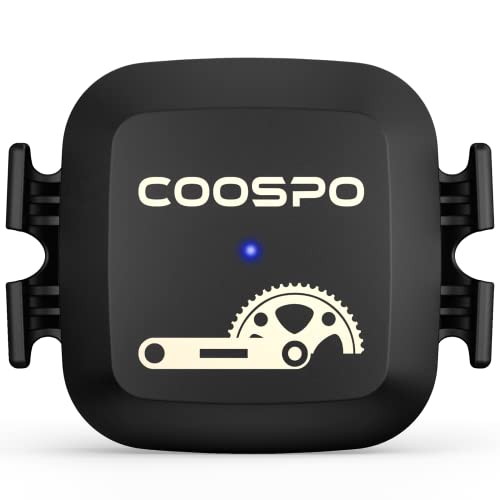
- Works with many popular training apps and compatible bike computers.
- Bluetooth and ANT+ support flexible pairing options.
- 500-hour battery life and IP67 rating suit regular training.
Best For: Indoor cyclists who want a basic, widely compatible speed/cadence sensor
Dual-Mode Indoor Sensor Pick
CYCPLUS Speed & Cadence Sensor

- One sensor for speed or cadence modes
- Bluetooth and ANT+ compatibility
- Compact build with easy mounting
Best For: Indoor riders who want a simple, compact sensor for compatible apps and bike computers.
Simple Mode-Switch Sensor
Magene S3+ Speed/Cadence Sensor
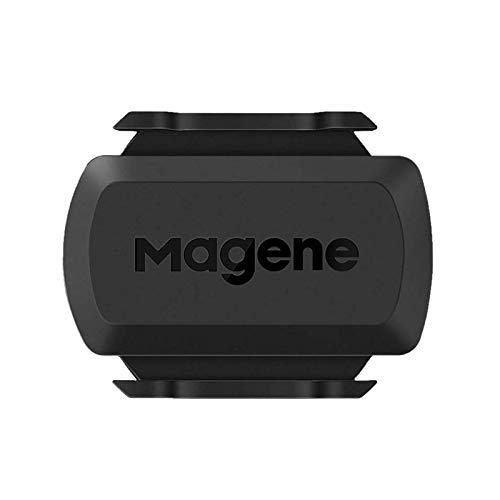
- Bluetooth and ANT+ support
- One sensor works in speed or cadence mode
- Auto sleep mode helps save battery
Best For: Riders who want a basic sensor and are okay using separate units for speed and cadence.
All-in-One Training Sensor
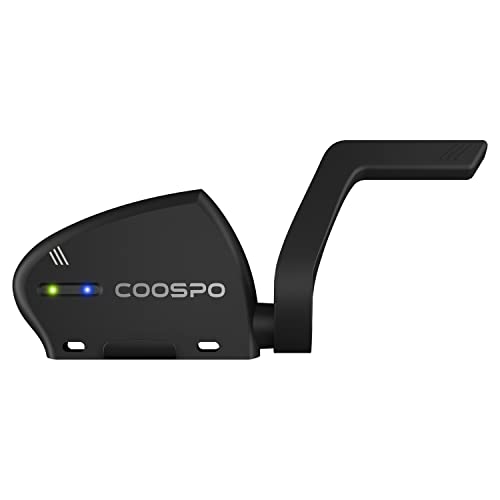
- Tracks both speed and cadence
- Bluetooth and ANT+ device support
- Replaceable battery with long runtime
Best For: Indoor cyclists who want combined data tracking and broad compatibility with supported apps.
Smart Indoor Navigator – GEOID CC700 2.8" Color Screen Cycling Computer
If you want a bike computer for indoor cycling sensors that can also handle outdoor rides, the GEOID CC700 is built around flexible connectivity and training support. It pairs with speed, cadence, and heart rate sensors over Bluetooth or ANT+, and its free indoor training mode lets you set power targets, resistance levels, and gradients on a smart trainer.
Best For: Riders who want one unit for smart indoor training, sensor pairing, and turn-by-turn navigation outside.
Pros:
- Supports Bluetooth and ANT+ sensor connections, with up to 9 device types.
- Free indoor training mode works with smart trainers for structured power and resistance work.
- 2.8-inch color screen with multiple data layouts and up to 10 customizable pages.
- WiFi auto-sync, firmware updates, and FIT export with STRAVA and TrainingPeaks support.
Cons:
- Best indoor training experience depends on compatible smart trainer and sensors.
- More navigation and data features may be more than needed for simple indoor-only use.
The CC700 is a strong pick if you want a sensor-friendly cycling computer that does more than just record a ride. Its indoor training features and broad connectivity make it practical for riders who split time between trainer sessions and outdoor routes.
Simple Ride Tracker – CATEYE Urban Wireless Bike Computer
The CATEYE Urban Wireless is a straightforward bike computer for indoor cycling sensors only if you specifically need speed data from a wheel-mounted wireless setup. It focuses on the basics: speed, distance, time, calories, and an easy-to-read analog-style display, making it a practical option for riders who want simple ride tracking without app-heavy features.
Best For: Riders who want a basic, easy setup computer for speed and distance tracking on compatible bikes.
Pros:
- Shows current, max, and average speed plus distance, time, calories, and clock.
- Auto start/stop helps pause timing when you stop riding.
- FlexTight mount makes installation and adjustment simple.
- Programmable odometer avoids losing mileage when the battery is changed.
Cons:
- Designed for front wheel use only.
- Uses analog wireless speed sensing rather than Bluetooth or ANT+ smart sensors.
- Does not include the advanced training or indoor trainer features of premium units.
This is a sensible pick for riders who value simplicity and dependable basic stats over connectivity. If your indoor setup only needs a speed readout from a compatible front-wheel sensor arrangement, the Urban Wireless keeps things easy.
Premium Training Hub – Garmin Edge 1050 Cycling Computer
The Garmin Edge 1050 is a premium bike computer for indoor cycling sensors when you want deep training support alongside full navigation and smart connectivity. It works with compatible power meters and heart rate monitors for personalized coaching, and its Bluetooth, ANT+, and Wi-Fi connections fit into a broader training setup.
Best For: Serious cyclists who want advanced training, sensor integration, and top-tier navigation in one device.
Pros:
- Works with compatible power meters and heart rate monitors for personalized coaching.
- Bluetooth, ANT+, and Wi-Fi support make it easy to connect into a rich sensor ecosystem.
- Vivid 3.5-inch touchscreen with built-in speaker and on-device bike bell.
- Up to 20 hours of battery life, or up to 60 hours in battery saver mode.
Cons:
- Premium feature set may be more than casual indoor riders need.
- Best training insights depend on compatible power meter and heart rate monitor.
If you want a cycling computer that can anchor both indoor training and outdoor riding, the Edge 1050 is built for that role. It is especially compelling for riders who already use sensors and want a highly capable display and coaching platform.
Budget GPS Basic – CYCPLUS Wireless GPS Cycling Computer
The CYCPLUS GPS Bike Computer is a simple option if you want a bike computer for indoor cycling sensors in a low-fuss package that records core ride stats. It focuses on GPS-based ride data, automatic backlight visibility, and a wireless, waterproof design, making it a practical fit for riders who want straightforward tracking rather than advanced sensor pairing.
Best For: Riders who want an affordable, wireless cycling computer for basic ride data and easy visibility.
Pros:
- Tracks ride time, distance, total mileage, clock, and altitude.
- Automatic backlight and FSTN screen improve visibility in bright or dark conditions.
- Wireless design keeps the handlebar setup clean.
- Large battery capacity and IPX6 waterproofing add everyday practicality.
Cons:
- No stated Bluetooth or ANT+ sensor support in the supplied notes.
- More basic than training-focused computers with smart indoor features.
This is a good value choice if your priority is easy ride recording and visibility over advanced connectivity. It suits cyclists who want a dependable computer that stays out of the way and handles everyday training or commuting.
Dual-Sensor Flexibility – Wireless Cadence & Speed Sensor for Multiple Bikes
If you want a bike computer for indoor cycling sensors setup that can follow you across more than one bike, this dual-pack from CooSpo is a practical option. Each sensor can switch between speed and cadence mode, and the Bluetooth/ANT+ support makes it easy to use with compatible apps, computers, and indoor training setups.
Best For: Riders who want two interchangeable sensors for indoor bikes, backups, or multi-bike use.
Pros:
- Two sensors can be used in speed or cadence mode for flexible setup.
- Bluetooth and ANT+ connectivity supports pairing with compatible devices and apps.
- Auto-sleep mode helps conserve battery life when the bike is idle.
- IP67 rating adds protection for regular training use.
Cons:
- No display unit is included; this is a sensor-only package.
- You’ll still need a compatible bike computer or app to view the data.
This is a straightforward choice if you need sensor flexibility more than extra display features. The two-pack design and easy mode switching make it useful for riders managing several indoor or road bikes.
All-in-One GPS Ride Tracking – GPS Bike Computer with Sensor Bundle
This CYCPLUS unit is a bike computer for indoor cycling sensors users who also want GPS ride tracking and a built-in screen. It combines a 2.9-inch backlit display with Bluetooth/ANT+ support and includes speed/cadence sensing, so it fits riders who want one device to collect training data and sync it to an app.
Best For: Riders who want a compact GPS computer plus sensor support in one package.
Pros:
- Includes a 2.9-inch glare-free LCD screen with auto backlight.
- Supports ANT+ sensor syncing for speed, cadence, heart rate, power, and more.
- Comes with a speed/cadence sensor and handlebar mount.
- Bluetooth app sync can send rides to compatible training apps, including Strava via the app.
Cons:
- Handlebar mount is only suitable for 31.8 mm handlebars.
- Battery life is listed at 60 hours, which is shorter than some sensor-only options.
If you want a more complete cockpit-style solution, this bundle stands out for combining a display, GPS, and sensor support. It’s a good fit for riders who prefer seeing ride metrics directly on the device instead of relying only on a phone.
Simple Sensor Upgrade – Bluetooth & ANT+ Cadence/Speed Sensor
COOSPO Cadence and Speed Sensor, Wireless Bike Cadence Sensor for Bike Computer/Rouvy/Peloton/Wahoo
Check Price On AmazonFor a bike computer for indoor cycling sensors setup where the sensor does the heavy lifting, this COOSPO unit keeps things simple. It tracks cadence or speed, works with Bluetooth and ANT+, and is compatible with a wide range of apps and select bike computers, making it a useful add-on for structured indoor training.
Best For: Riders who need a basic, widely compatible sensor for apps or compatible bike computers.
Pros:
- Bluetooth and ANT+ support broad compatibility with apps and devices.
- Can switch between cadence and speed modes depending on how it’s mounted.
- Works with many popular apps, including Zwift, Rouvy, Peloton, and Cyclemeter.
- 500-hour battery life and IP67 rating make it practical for regular use.
Cons:
- Bluetooth connection works with only one app or device at a time.
- Cadence and speed modes cannot operate simultaneously.
- There’s no display or computer included with the sensor.
This is a good pick if you already have a compatible bike computer or app and just need reliable sensor input. Its broad compatibility is the main strength, especially for riders who train across multiple platforms.
Dual-Mode Indoor Sensor Pick – CYCPLUS Speed & Cadence Sensor
If you want a bike computer for indoor cycling sensors that can cover both speed and cadence, this CYCPLUS option keeps things simple with one compact unit that switches between modes. It supports Bluetooth and ANT+, works with compatible apps like Zwift, and is designed for easy mounting on the hub with no magnet or calibration needed.
Best For: Riders who want a small, easy-to-install sensor for indoor training with app and bike computer compatibility.
Pros:
- Supports both speed and cadence modes in one sensor.
- Bluetooth and ANT+ multi-protocol support for compatible devices and apps.
- Very small design with long battery life and sleep mode.
- Includes elastic bands and tape for straightforward installation.
Cons:
- Bluetooth note says it connects through the proper fitness app, not directly through a phone’s generic Bluetooth settings.
- One sensor at a time must be set to either speed or cadence mode.
For indoor cyclists who want a low-profile sensor that is easy to move between bikes, the CYCPLUS gives you broad compatibility without a complicated setup. Its main strength is convenience, especially if you use a supported app or a bike computer that reads Bluetooth or ANT+ data.
Simple Mode-Switch Sensor – Magene S3+ Speed/Cadence Sensor
For a bike computer for indoor cycling sensors, the Magene S3+ is a straightforward option if you only need one mode at a time and want Bluetooth or ANT+ support for compatible apps and devices. It is built for cycling computers, trainers, and spinning setups, but the notes make clear that one sensor can only run speed or cadence at once, so dual tracking requires two sensors.
Best For: Cyclists who want a basic, app-friendly sensor and are fine choosing speed or cadence mode separately.
Pros:
- Supports Bluetooth and ANT+ connections.
- Compatible with bike computers, fitness apps, and indoor/outdoor use.
- Automatic sleep mode helps conserve battery when stationary.
- Compact, lightweight sensor with IP66 protection.
Cons:
- Only one mode can be used at a time, so you need two sensors for both speed and cadence.
- Bluetooth can connect to only one app or device at a time.
- The notes say it may require waking before it starts broadcasting again.
The Magene S3+ makes sense if you want a no-fuss sensor for indoor training and already know whether you need speed or cadence data. Its limitations are important, but it remains a practical pick for riders who value protocol support and simple operation.
All-in-One Training Sensor – COOSPO BK805 Cadence & Speed
If you’re looking for a bike computer for indoor cycling sensors that can track both speed and cadence, the COOSPO BK805 is built around that 2-in-1 idea. It offers Bluetooth and ANT+ support, works with compatible cycling computers and apps like Rouvy, Peloton, and Wahoo, and includes flexible mounting options plus a replaceable battery rated for long use.
Best For: Indoor riders who want a combined speed-and-cadence sensor with broad app compatibility.
Pros:
- Tracks both speed and cadence, with distance data for compatible apps and GPS bike computers.
- Bluetooth and ANT+ compatibility for wide device support.
- Flexible installation with adjustable mounting accessories.
- Up to 500 hours of battery life with a replaceable coin cell.
Cons:
- The notes say it is not recommended for indoor spinning bike use.
- Cadence detection depends on proper magnet attraction, according to the reminder.
The BK805 is a strong fit if you want one sensor to handle both key riding metrics and connect to the app or bike computer you already use. Just make sure your setup matches the product’s compatibility guidance, especially if you plan to use it with a spinning bike.
How We Picked the Best Bike Computer for Indoor Cycling Sensors
For this roundup of Bike Computer for Indoor Cycling Sensors, we prioritized compatibility with common indoor setups, including Bluetooth and ANT+ support, speed and cadence tracking, and support for training platforms such as Zwift and Rouvy. We also considered display quality, battery life, waterproof ratings, mounting options, and how easy each device or sensor is to pair and use.
Quick Comparison
Broadly, the list splits into two useful categories: full cycling computers and dedicated sensors. Full computers are better if you want ride data, navigation, and a visible on-bike display. Dedicated sensors are the better value if your main goal is accurate cadence or speed data for indoor training apps and smart devices.
Key Buying Factors for Bike Computer for Indoor Cycling Sensors
Connectivity
Look for Bluetooth and ANT+ if you want the most flexibility. Bluetooth is common for phones and tablets, while ANT+ is widely supported by cycling head units and training ecosystems.
Sensor Support
Indoor riders should check whether the device supports cadence, speed, or both. If you use a spin bike or trainer setup, a 2-in-1 sensor can reduce clutter and simplify pairing.
Display and Readability
If you want a computer on the bars, choose a model with a screen that is easy to read at a glance. Backlighting helps in darker training spaces, and larger screens can make live stats easier to follow.
App and Platform Compatibility
Make sure the Bike Computer for Indoor Cycling Sensors works with the apps you already use. Compatibility with Zwift, Rouvy, and similar platforms matters more than extra features you may not use.
Mounting and Durability
Indoor bikes can create vibration, so a secure mount matters. Water resistance is less critical indoors, but a durable build still helps if you also ride outside or move the device between bikes.
Who Should Buy Which Bike Computer for Indoor Cycling Sensors?
If you want a full-featured head unit for both indoor and outdoor riding, choose a cycling computer with GPS, strong display quality, and sensor support. If you mainly want reliable speed or cadence data for training apps, a dedicated Bluetooth/ANT+ sensor is usually the smarter, lower-cost choice.
Riders who focus on structured workouts should favor easy pairing and stable data transmission. Casual riders may prefer the simplest option that gives them the numbers they need without extra setup.
