
Cold-weather riding demands more than just extra fabric. The right thermal cycling base layer helps you stay warm, dry, and comfortable when the temperature drops and the effort goes up.
Below, we’ve narrowed the field to ten practical options for commuters, road riders, and winter cyclists who want dependable insulation without bulky layers.
Best 10 Thermal Cycling Base Layer Picks for 2026
Thermal Comfort Pick
GripGrab Ride Thermo Winter Cycling Base Layer

- Two-layer thermal fabric for winter warmth
- Moisture-wicking and odor-control treatment
- High-stretch, low-bulk cycling fit
Best For: Cyclists who want a slim winter base layer with anti-odor performance
Heat + Ventilation Pick
Under Armour ColdGear Armour Fitted Mock

- Dual-layer fabric with brushed interior warmth
- Stretch-mesh panels for ventilation
- Sweat-wicking, fast-drying 4-way stretch
Best For: Riders wanting warmth plus ventilation in a fitted mock-neck layer
Budget Versatility Pick
ROCKBROS Cycling Thermal Long Sleeve Shirt

- Fleece-lined warmth for 0-15°C weather
- Moisture-wicking with 4-way stretch
- Works as base layer, top, or sleepwear
Best For: Cyclists who want a versatile fleece-lined winter layer
Ultralight Sleeveless Pick

- Very breathable, fast-moisture-wicking fabric
- Thin stretch material keeps bulk low
- Sleeveless cut with extended back coverage
Best For: Athletes who want a lightweight, breathable base layer with minimal bulk
Warmth-first base layer
Men’s Mock Neck Compression 2-Pack
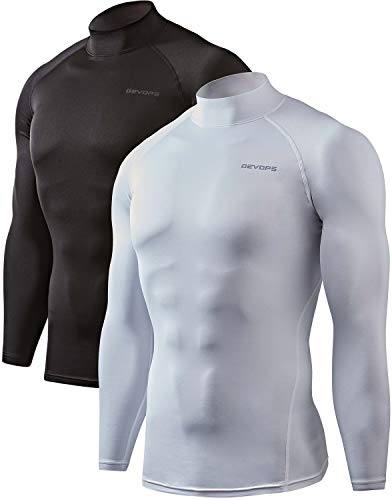
- Fleece-lined thermal fabric for added warmth
- 90% polyester/10% spandex for stretch
- Includes two long-sleeve shirts for value
Best For: Cold-weather cycling and outdoor layering
Breathable ride layer
Sleeveless Mesh Cycling Undershirt

- Breathable, lightweight fabric
- Quick-dry build helps manage sweat
- High-stretch fit supports free movement
Best For: Warm-weather cycling and low-bulk layering
Cold-weather leg layer

- Midweight 170 GSM build with brushed interior
- FastDry and odor resistance support long wear
- Flatlock seams help reduce chafing
Best For: Cold-weather cycling and winter layering
Lightweight Warm-Weather Layer
YKYWBIKE Sleeveless Cycling Base Layer

- Breathable, quick-dry fabric for sweat control
- Lightweight high-stretch fit for mobility
- Sleeveless design helps keep things cooler
Best For: Warm-weather cyclists who want a low-bulk base layer
Cold-Weather Layering Pick
Upgraded Thermal Long Johns Set

- Fleece-lined build targets cold-weather warmth
- Moisture-wicking fabric helps keep you dry
- Slim fit layers easily under clothing
Best For: Winter riding, outdoor work, and cold-climate layering
Two-Pack Value Layer
Coconut Ropamo CR Cycling Base Layer Vests

- Breathable mesh helps with airflow and cooling
- Quick-dry polyester supports sweat management
- Two-pack offers useful value for cyclists
Best For: Warm-weather riders who want a breathable base layer pack
Thermal Comfort Pick – GripGrab Ride Thermo Winter Cycling Base Layer
If you want a thermal cycling base layer that prioritizes warmth without adding much bulk, the GripGrab Ride Thermo is built for cold-weather riding. Its two-layer insulating fabric is designed to trap heat, while the moisture-wicking construction helps keep sweat moving away from your body under a jersey and jacket.
Best For: Road cyclists and gravel riders who want a slim, winter-ready base layer with odor control for frequent use.
Pros:
- Two-layer thermal fabric helps trap heat in winter conditions
- Moisture-wicking material helps keep you dry during rides
- High-stretch, low-profile seams support a close cycling fit
- Polygiene anti-odour treatment helps stay fresher for longer
Cons:
- Fit is noted as running small
- Designed as a close-fitting undershirt, so it is not a relaxed layer
Overall, this is a strong pick if you want a lightweight thermal cycling base layer that focuses on warmth, sweat management, and a performance fit. The 3-pack option also makes sense if you ride often and want a better value for regular winter use.
Heat + Ventilation Pick – Under Armour ColdGear Armour Fitted Mock
The Under Armour ColdGear Armour Fitted Mock is a practical thermal cycling base layer if you want warmth with built-in ventilation. Its dual-layer fabric has a brushed interior for heat, while stretch-mesh back and underarm panels help release excess heat without giving up coverage.
Best For: Riders who want a warm fitted base layer with strategic ventilation and fast-drying performance.
Pros:
- Dual-layer fabric combines a warm brushed interior with a smooth exterior
- Stretch-mesh panels add ventilation in key areas
- 4-way stretch construction supports movement in multiple directions
- Material wicks sweat and dries quickly
Cons:
- Listed as a golf top, so cycling-specific design details are limited
- Mock neck may feel warmer than some riders want in milder conditions
This is a good choice if you want a winter base layer that balances insulation and airflow. It is especially appealing for riders who value a fitted feel and quick-drying comfort during mixed-effort sessions.
Budget Versatility Pick – ROCKBROS Cycling Thermal Long Sleeve Shirt
If you need a thermal cycling base layer that can pull double duty, the ROCKBROS Cycling Thermal Long Sleeve Shirt offers fleece-lined warmth and moisture-wicking support. It is built for cold weather in the 0-15°C range and uses stretch fabric to keep movement unrestricted on the bike or during other training.
Best For: Cyclists who want a versatile, fleece-lined compression base layer for winter workouts and everyday wear.
Pros:
- Fleece lining adds warmth in cold conditions
- Moisture-wicking design helps sweat dry quickly
- 4-way stretch fabric supports unrestricted movement
- Can be used as a base layer, standalone top, or winter pajama
Cons:
- Temperature guidance is specific to 0-15°C, so it is less targeted outside that range
- Compression-style fit may not suit riders who prefer a looser undershirt
For riders who want more than a one-sport layer, this is a flexible option with practical cold-weather performance. The abrasion-resistant build and multi-use design make it a solid value play for active users.
Ultralight Sleeveless Pick – GORE WEAR M Men's Base Layer
The GORE WEAR M Men’s Base Layer is a lightweight thermal cycling base layer for riders who want breathability more than insulation. Its thin stretch material is designed to wick moisture fast and dry quickly, and the sleeveless cut keeps the feel minimal under a jersey.
Best For: Cyclists, runners, and outdoor athletes who want an airy, all-weather base layer with minimal bulk.
Pros:
- Fast moisture-wicking and very breathable fabric
- Thin, soft stretch material helps keep bulk low
- Quick-drying construction suits active use
- Extended back improves coverage
Cons:
- Sleeveless design offers less thermal coverage than long-sleeve options
- Regular fit may feel less compressive for riders wanting a tighter layer
This is a smart pick if your priority is layering efficiency and breathability rather than maximum warmth. For shoulder-season rides or high-output efforts, the sleeveless design can feel especially comfortable.
Warmth-first base layer – Men’s Mock Neck Compression 2-Pack
If you want a thermal cycling base layer that leans warm and stretchy, this 2-pack from DEVOPS is built around a fleece-lined polyester-spandex blend. The mock neck design, high stretch, and close-fitting feel are aimed at holding in body heat while staying comfortable for cold-weather riding and other outdoor use.
Best For: Cold-weather cyclists who want a warm, fitted base layer with extra value from a two-pack.
Pros:
- Fleece-lined thermal fabric is designed for warmth and softness.
- 90% polyester and 10% spandex adds stretch and shape retention.
- Mock neck style can help cover more of the neck in winter conditions.
- Two-pack format gives you more than one shirt for regular use.
Cons:
- Long-sleeve compression style may feel warm for hard efforts or milder rides.
- Sold in a limited color set of black/white.
Overall, this is a practical pick if your priority is warmth, stretch, and value in a cycling-ready thermal base layer. It looks especially useful for winter rides, hiking, and other cold-weather activities where heat retention matters more than ventilation.
Breathable ride layer – Sleeveless Mesh Cycling Undershirt
This sleeveless cycling base layer is a good fit if you want a lightweight thermal cycling base layer that focuses on breathability and sweat control. Its quick-dry, highly elastic polyester-spandex build is meant to stay comfortable in summer and help move sweat away from your outer layers in colder weather.
Best For: Riders who want a breathable sleeveless undershirt for cycling, training, and layering.
Pros:
- Breathable, lightweight fabric is designed to absorb sweat efficiently.
- Quick-dry construction helps manage moisture during rides.
- High elasticity supports freedom of movement and a close fit.
- Can be worn alone or as a base layer for multiple sports.
Cons:
- Sleeveless design offers less coverage than a long-sleeve base layer.
- Size selection depends on checking the size chart carefully.
For cyclists who prioritize airflow and low bulk, this undershirt is more about comfort and sweat handling than heavy insulation. It is a versatile option for riding, gym use, running, and other active layering situations.
Cold-weather leg layer – Force Stretch Base Layer Pant
For riders who need lower-body coverage, this Carhartt option is a thermal cycling base layer pant with a midweight 170 GSM build and a brushed interior. The Force technology, FastDry performance, and flatlock seams are aimed at comfort, sweat control, and reduced chafing during cold-weather activity.
Best For: Cyclists and outdoor users who want fitted midweight base layer pants for colder conditions.
Pros:
- Force technology and FastDry are designed to wick sweat and dry quickly.
- Odor-resistant material helps keep the pant fresher during long wear.
- Flatlock seams are placed to reduce chafing.
- Brushed interior and elastic waistband add comfort.
Cons:
- Pant-only design means it must be paired with a separate top layer.
- Midweight build may be warmer than needed for high-output or mild-weather rides.
This is a strong choice if you want a fitted, utility-minded base layer pant for ski days, camping, hiking, or winter cycling. It prioritizes sweat management and comfort, making it useful when the goal is dependable cold-weather layering rather than ultra-light coverage.
Lightweight Warm-Weather Layer – YKYWBIKE Sleeveless Cycling Base Layer
If you want a thermal cycling base layer for hard efforts in warmer conditions, this sleeveless YKYWBIKE vest is built around breathability and sweat control. The mesh-style, lightweight polyester-spandex blend is designed to wick moisture, stay close to the body, and reduce chafing under a jersey without adding bulk.
Best For: Riders who want a sleeveless, high-stretch cycling base layer for hot weather training and racing.
Pros:
- Breathable, quick-dry fabric helps move sweat away during rides.
- Lightweight, high-stretch fit supports free movement and comfort.
- Sleeveless design can feel cooler under a jersey in warm weather.
- Soft construction is intended to reduce chafing during cycling.
Cons:
- Sleeveless cut is not ideal if you want more arm coverage.
- White color may show wear or sweat more easily than darker options.
- Size selection matters, since the listing advises checking the size chart.
Overall, this is a practical pick when your priority is ventilation and a barely-there feel rather than added insulation. It fits best as a performance-focused warm-weather layer, not a cold-weather thermal piece.
Cold-Weather Layering Pick – Upgraded Thermal Long Johns Set
For riders and workers who need a thermal cycling base layer in chilly conditions, this long johns set focuses on warmth, moisture control, and easy layering. The fleece-lined, slim-fit design is intended to trap heat while the polyester-spandex fabric wicks sweat and stretches comfortably under outer layers.
Best For: Cold-weather layering when you want a warm, slim base layer for cycling, outdoor work, or everyday wear.
Pros:
- Heat-retention fabric and fleece lining are designed for cold-weather warmth.
- Moisture-wicking, quick-dry material helps reduce dampness during activity.
- Soft, four-way stretch construction supports comfort and movement.
- Slim fit is made to layer easily under clothing without extra bulk.
Cons:
- Long-sleeve, full-set design may be too warm for mild conditions.
- It is a general thermal base layer, not a cycling-specific jersey piece.
- Pattern and styling are more utilitarian than sport-specific.
This set makes the most sense if warmth is the main goal and you need a dependable base layer under outerwear. It is less about race-day ventilation and more about staying dry and insulated in winter.
Two-Pack Value Layer – Coconut Ropamo CR Cycling Base Layer Vests
If you want a thermal cycling base layer that focuses on ventilation and value, this 2-pack of Coconut Ropamo CR vests is aimed at warm-weather riding. The fitted mesh, 100% polyester build is designed to wick moisture, stay breathable, and sit invisibly under a jersey while stretching to match an aggressive riding position.
Best For: Cyclists who want a breathable, quick-dry base layer in a convenient two-pack for warmer rides.
Pros:
- Open mesh construction promotes airflow and sweat evaporation.
- Quick-dry, moisture-wicking fabric is designed to help you stay comfortable.
- Fitted, lightweight design sits close under a jersey with minimal bulk.
- Two-pack value gives you more than one vest in the same order.
Cons:
- Recommended sizing suggests you may need to size up.
- Sleeveless design offers less coverage than long-sleeve base layers.
- Best suited to warmer months rather than true cold-weather use.
As a practical everyday cycling layer, this option stands out for breathability and pack value. It is a smart fit for riders who want a cooling base layer more than a winter thermal undershirt.
How We Picked These Thermal Cycling Base Layer Options
We focused on cold-weather performance first: insulation, moisture management, breathability, and fit under a jersey or outer shell. We also considered whether each Thermal Cycling Base Layer is better suited to hard efforts, casual riding, or all-day winter use.
Durability, odor control, and comfort features such as flat seams, fleece linings, compression fit, and high neck coverage mattered as well. Because riders wear these pieces in different conditions, we included options ranging from lightweight sleeveless designs to heavier long-sleeve and full set layers.
Quick Comparison
Think of this roundup in simple tiers. Sleeveless base layers are best for riders who want core warmth with more freedom and ventilation. Long-sleeve and mock-neck options add more coverage for colder commutes and shoulder-season rides. Pants and full sets make the most sense for deep-winter conditions, low-intensity riding, or anyone who gets cold easily.
Key Buying Factors for a Thermal Cycling Base Layer
Material and Warmth
Look for fabrics that trap heat without holding sweat against the skin. Fleece-lined, brushed, or thermal-knit materials are usually warmer, while mesh and quick-dry construction work better when you ride harder or expect fluctuating temperatures.
Moisture Management
A good base layer should move perspiration away from your body fast. If sweat lingers, you’ll feel chilled once you ease off the pedals or descend. Moisture-wicking performance is especially important for interval rides, commutes, and longer winter sessions.
Fit and Coverage
Choose a close fit so the layer works efficiently under your cycling kit. Compression-style pieces can feel supportive, while mock necks and long sleeves add extra protection in wind and cold. Sleeveless designs are a smart middle ground when you want warmth without bulk under the arms.
Odor Control and Easy Care
If you ride frequently, anti-odor treatments and easy-wash fabrics can make a real difference. Winter gear gets worn often, so durability and simple maintenance are practical advantages, not just nice extras.
Who Should Buy Which Thermal Cycling Base Layer?
Riders in milder winter conditions or those who run warm should start with a lighter sleeveless or mesh Thermal Cycling Base Layer. Commuters, endurance riders, and anyone facing wind chill will usually prefer a long-sleeve, fitted, or mock-neck option for better coverage. If you ride in very cold weather or need an all-over insulation solution, a full thermal set or matching base-layer bottoms can be the most comfortable choice.
In short, match the layer to your temperature range, effort level, and fit preference. The best choice is the one that keeps you warm without overheating, so you can stay focused on the ride instead of the weather.
